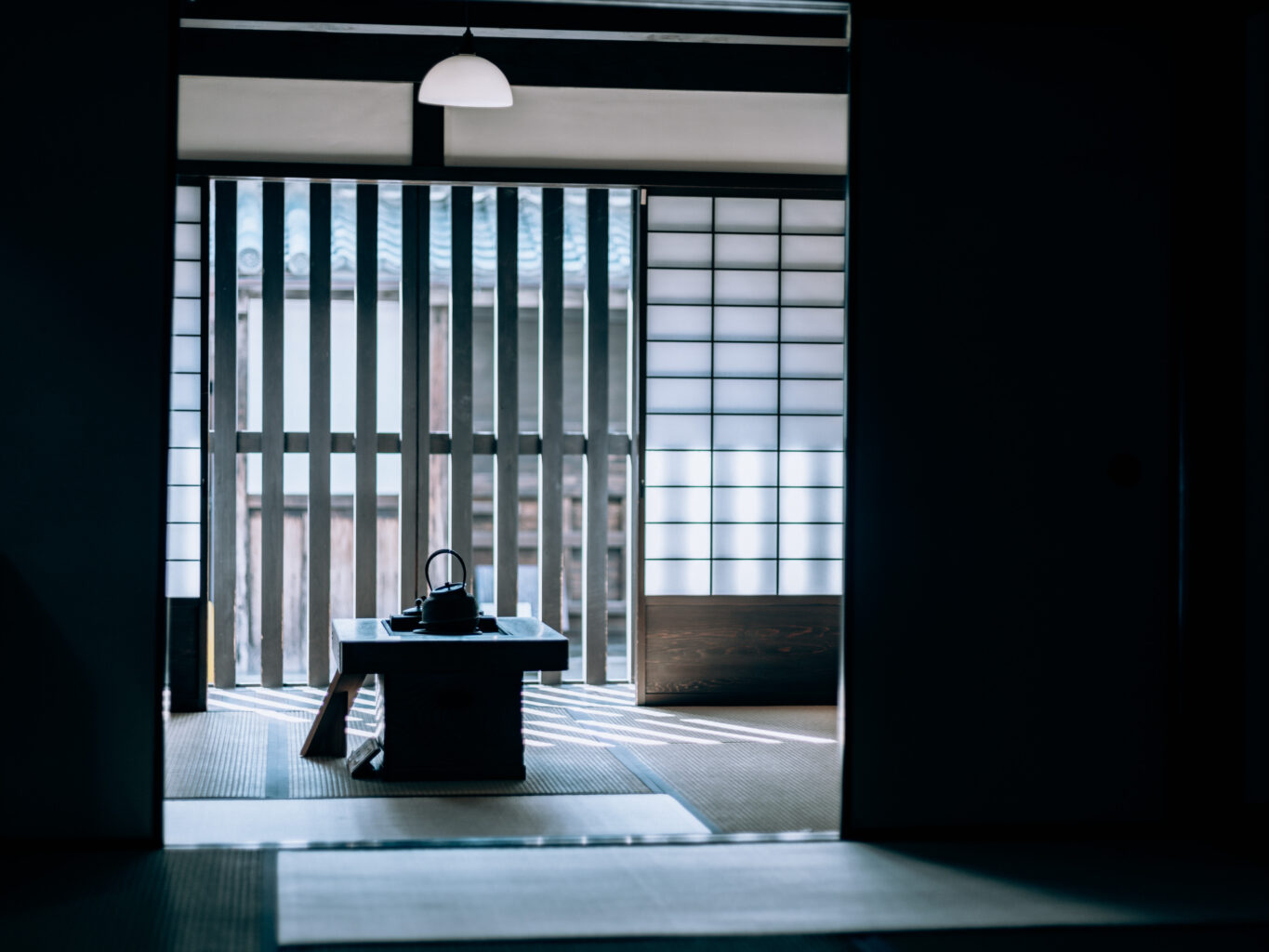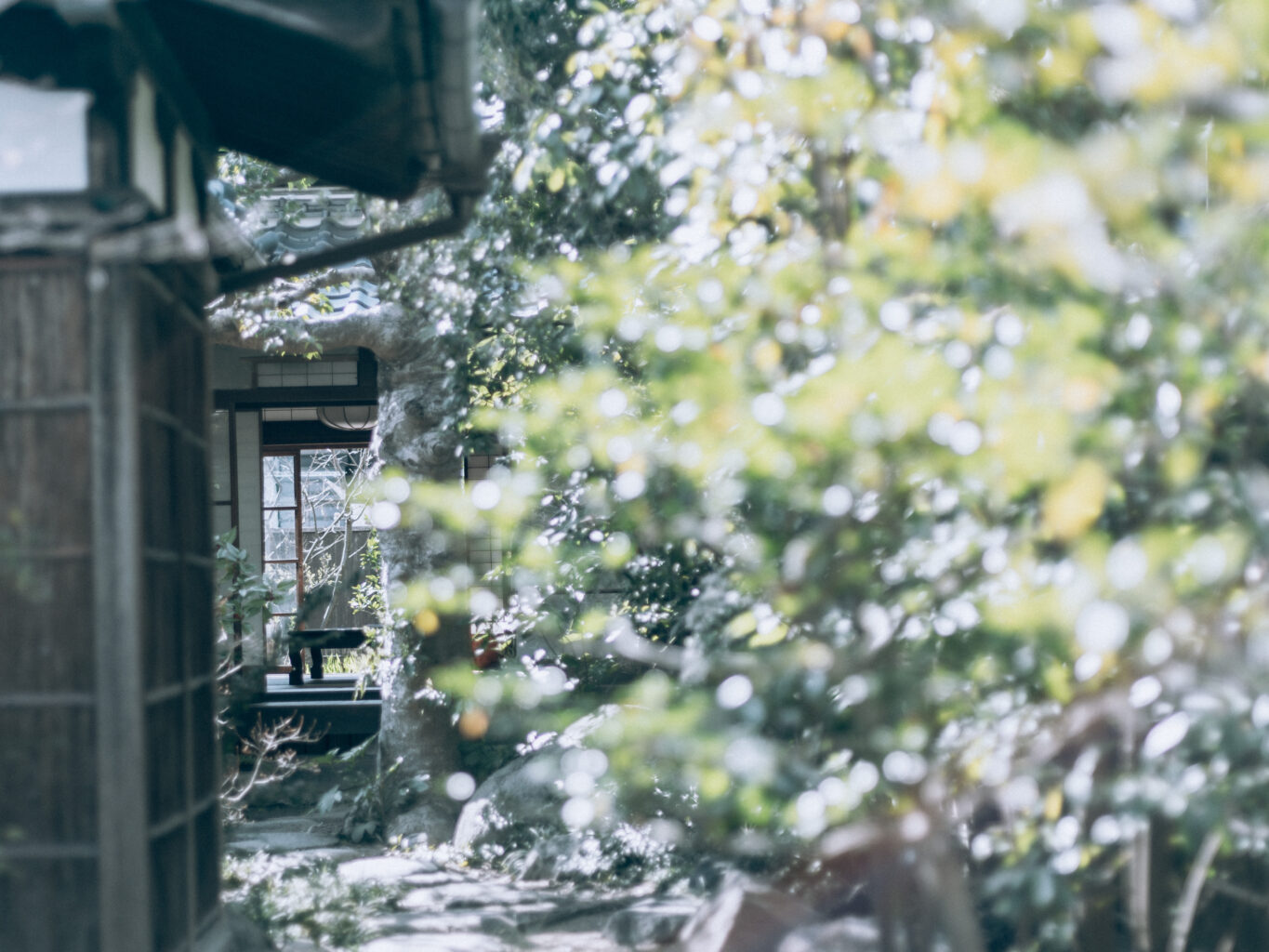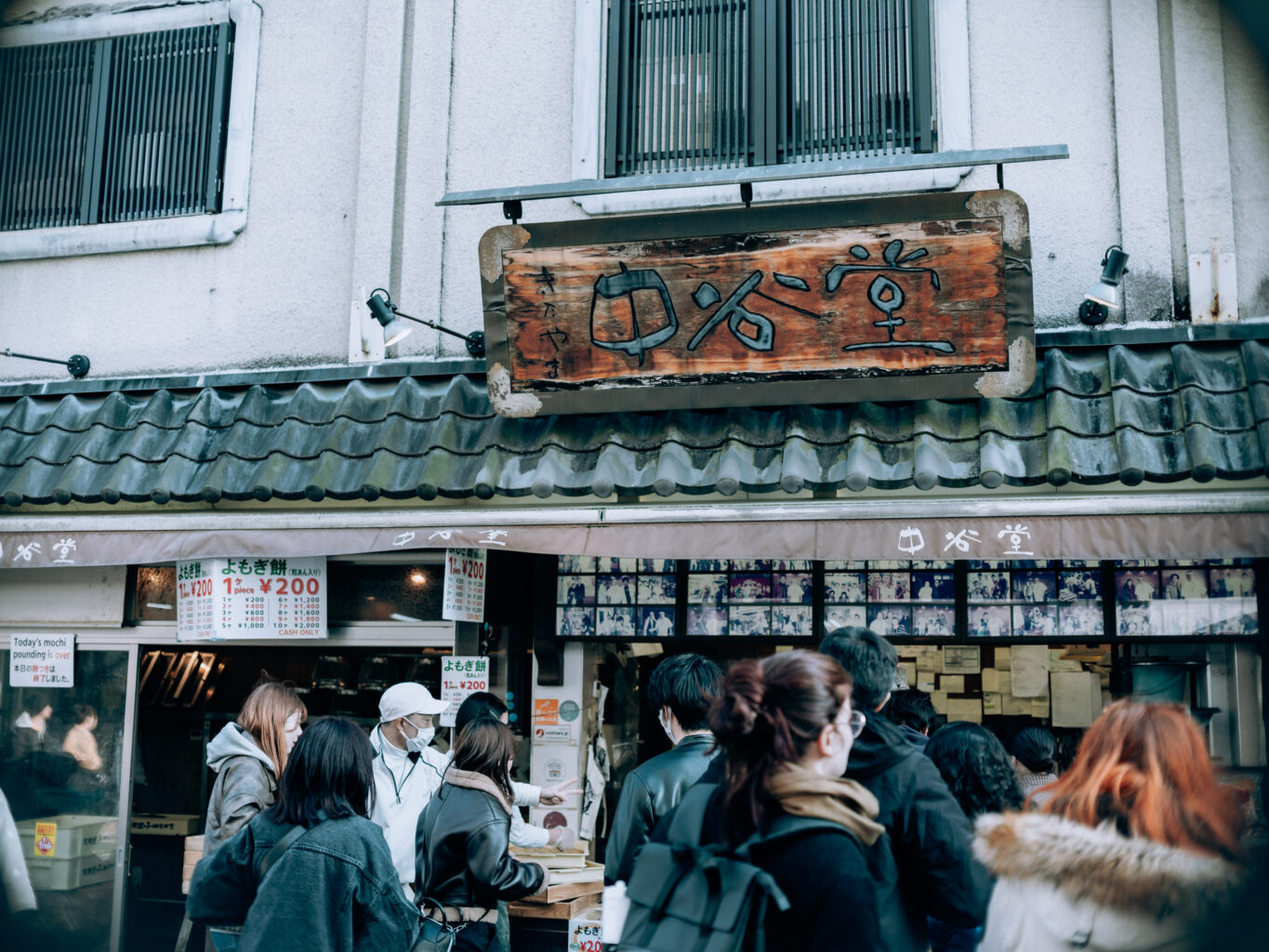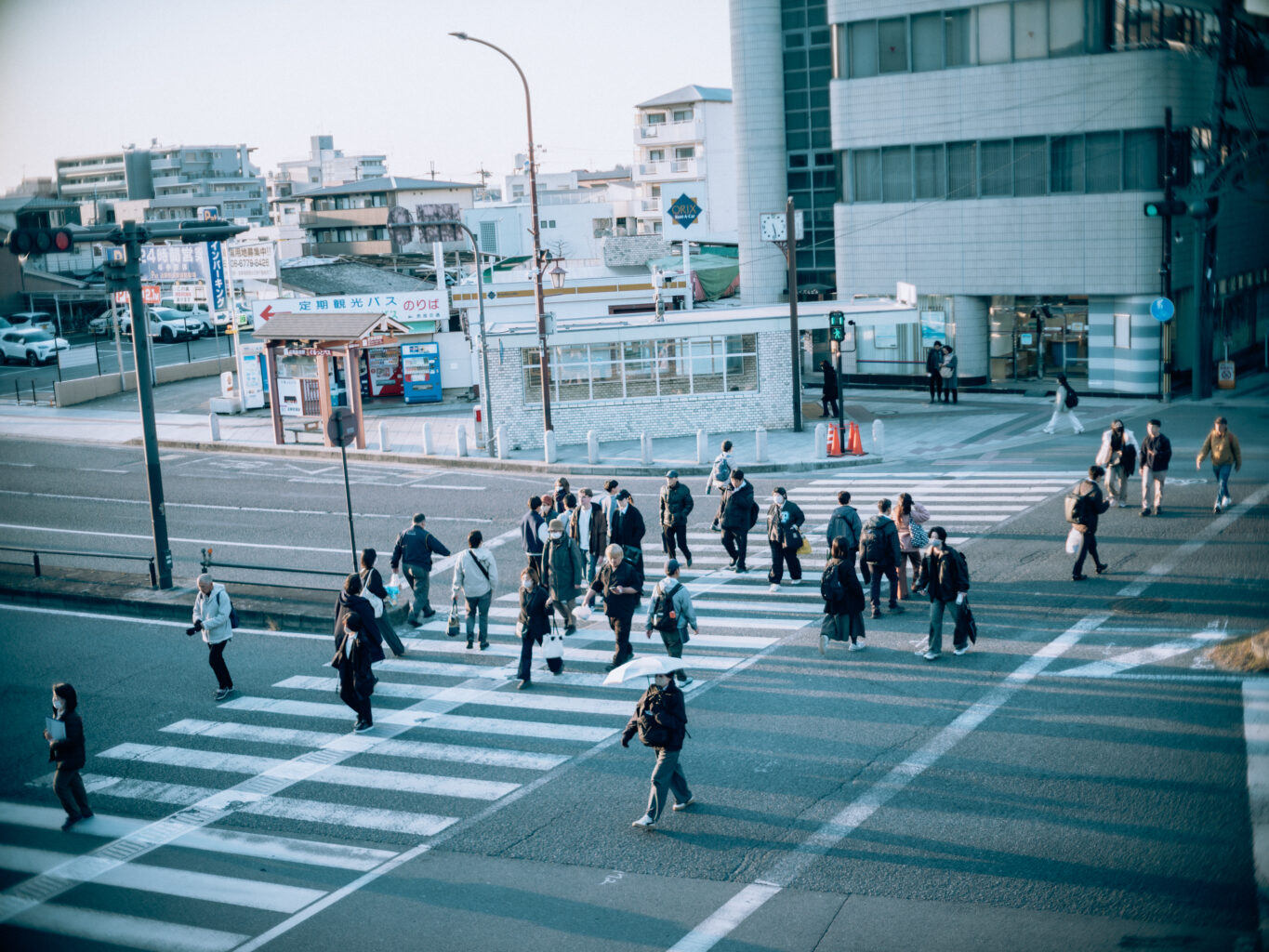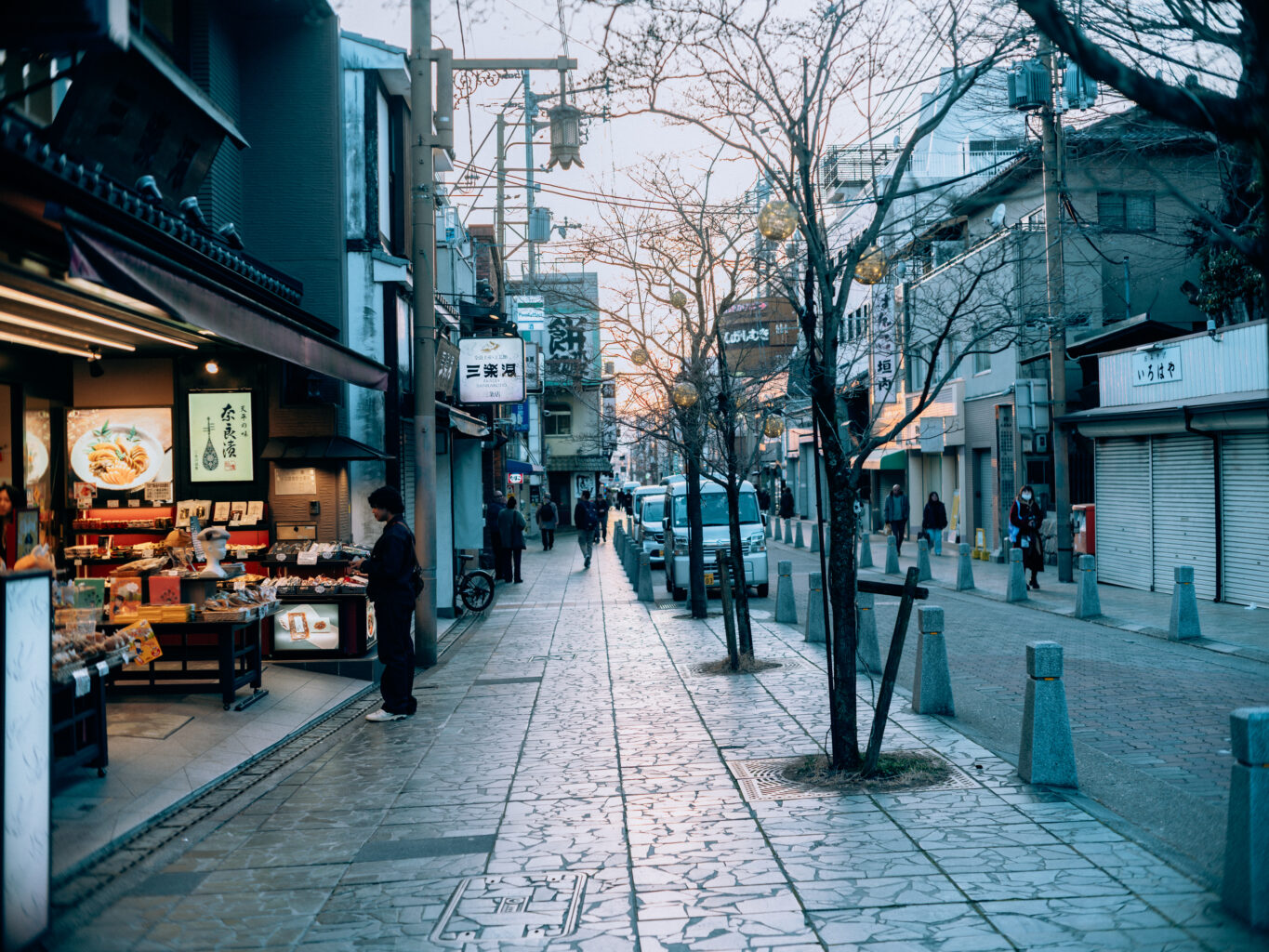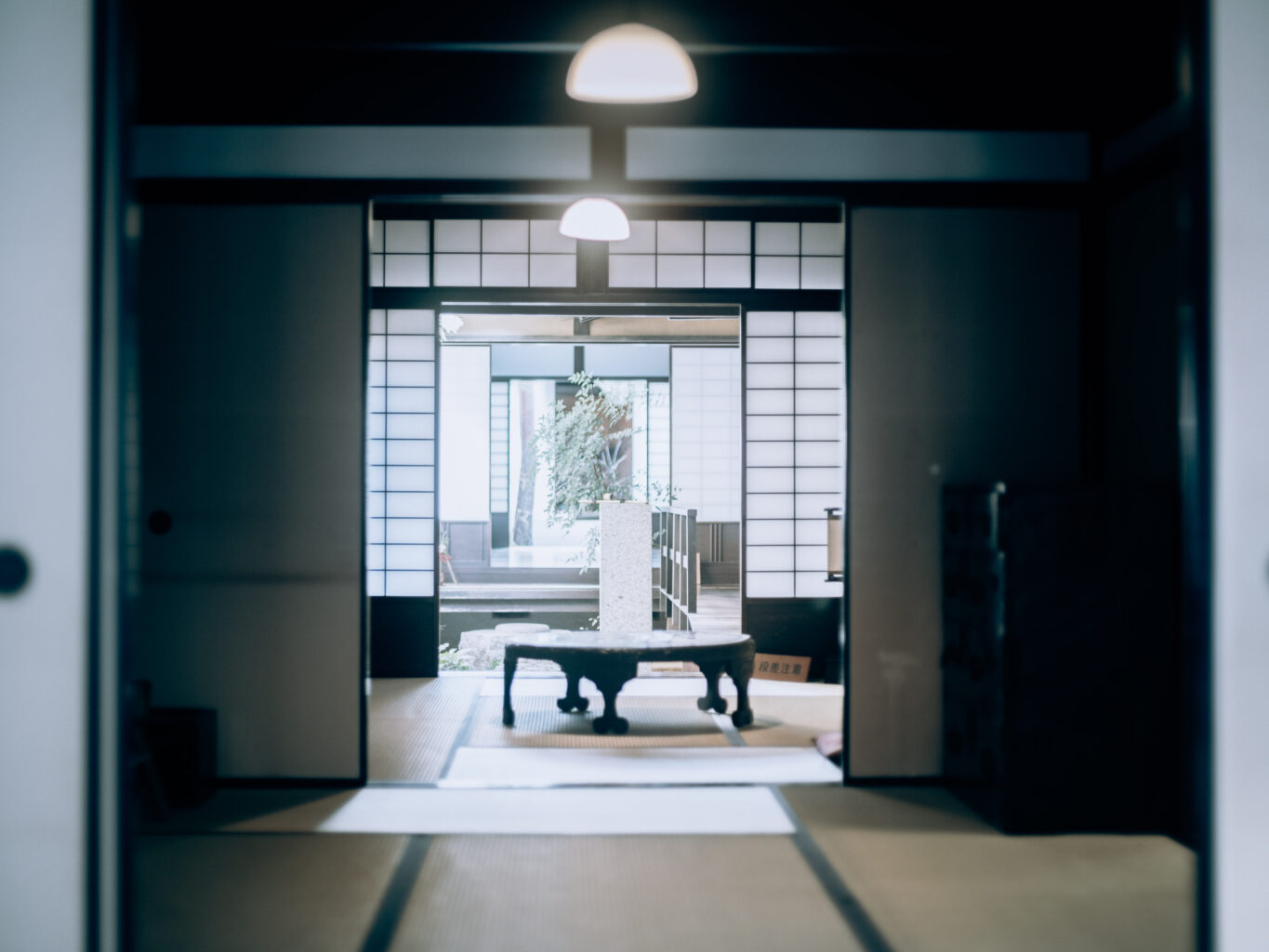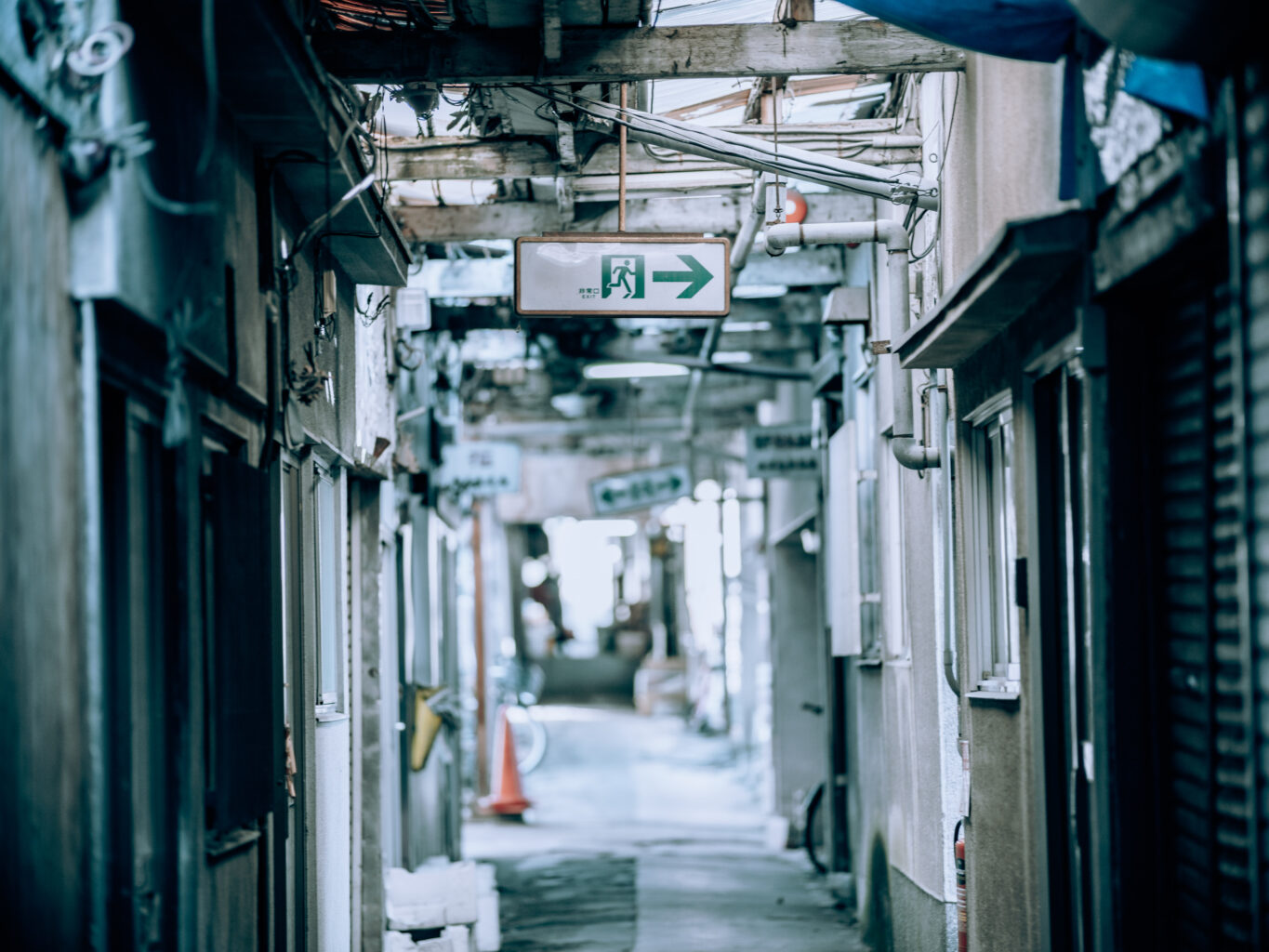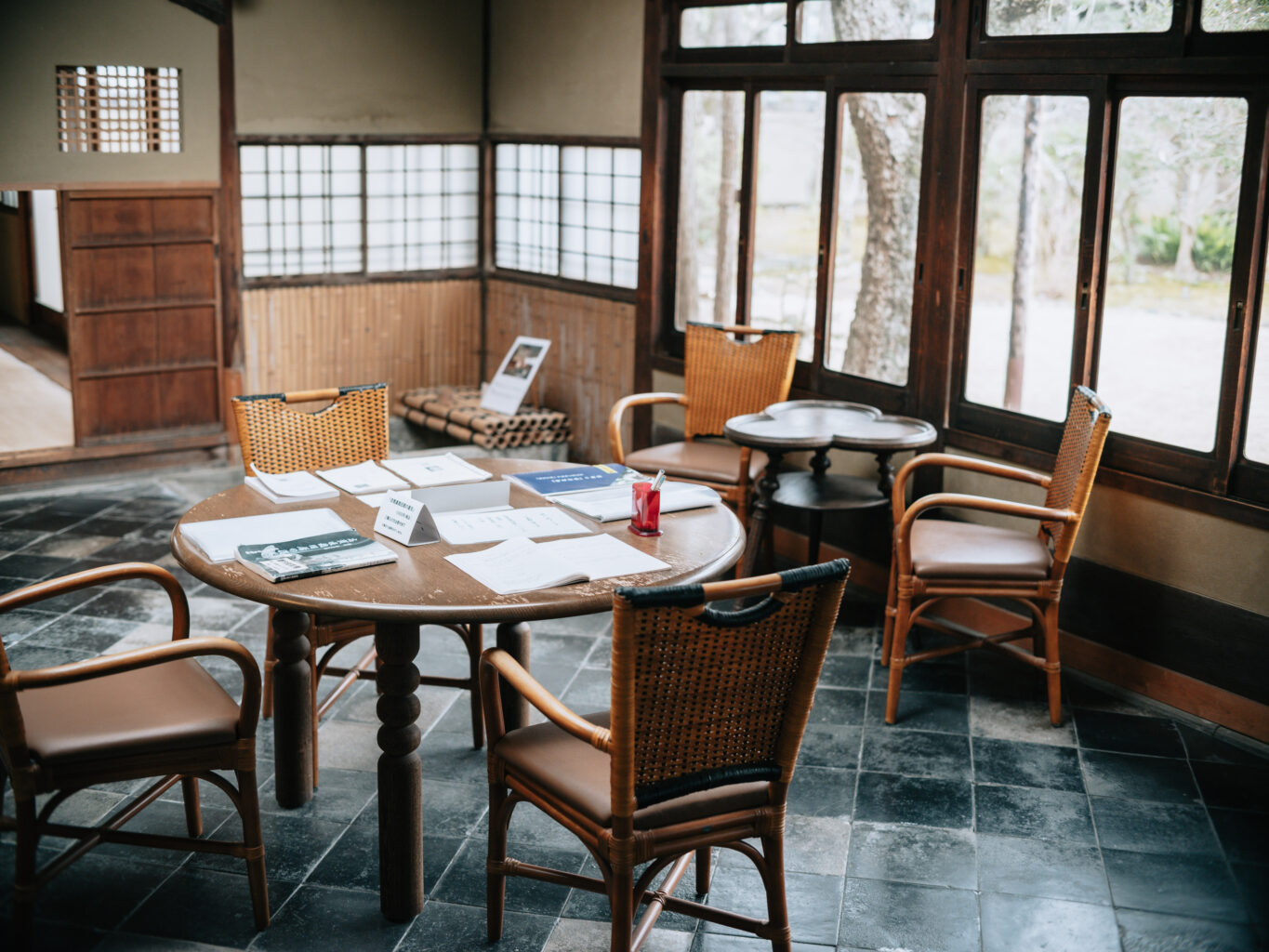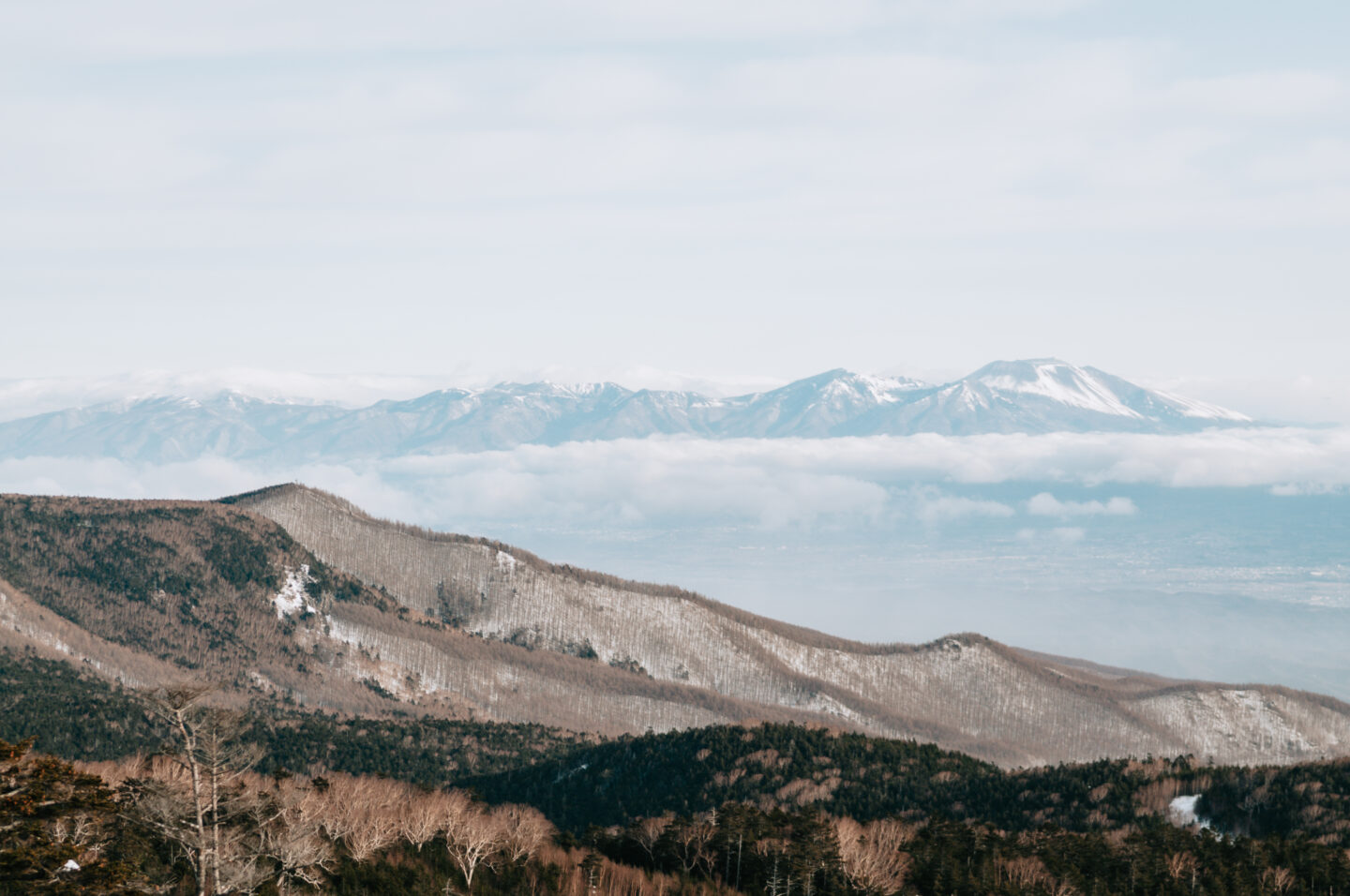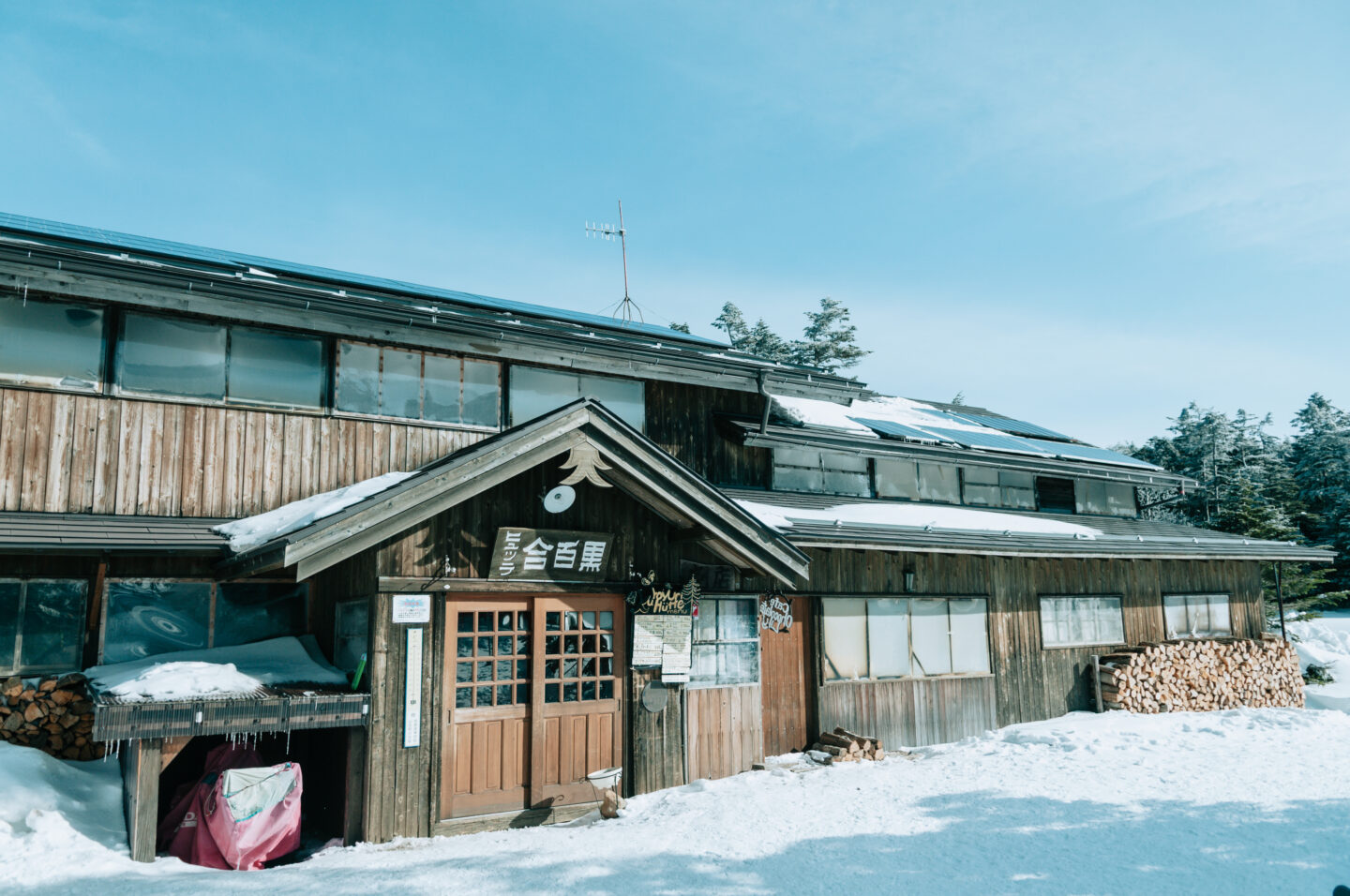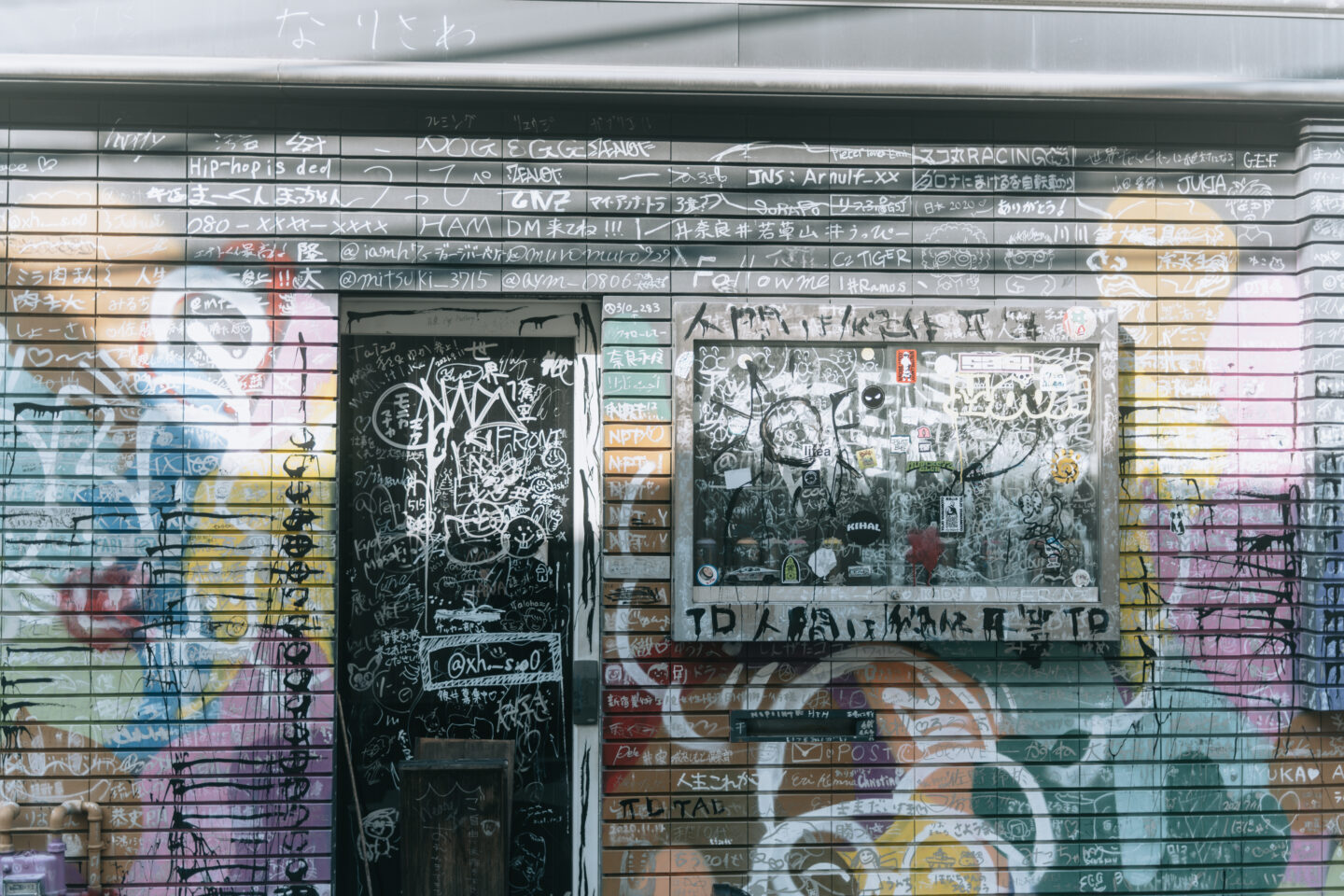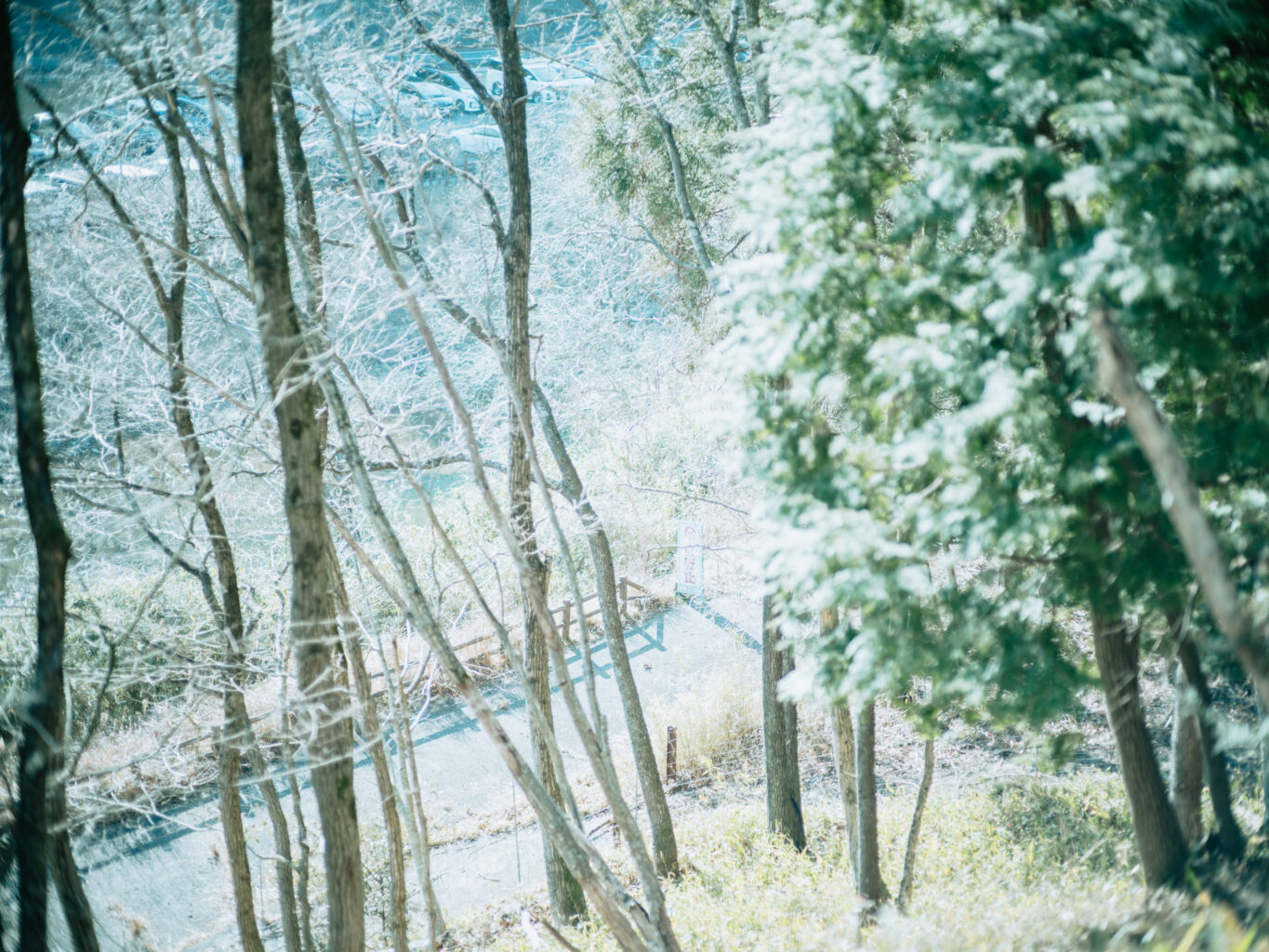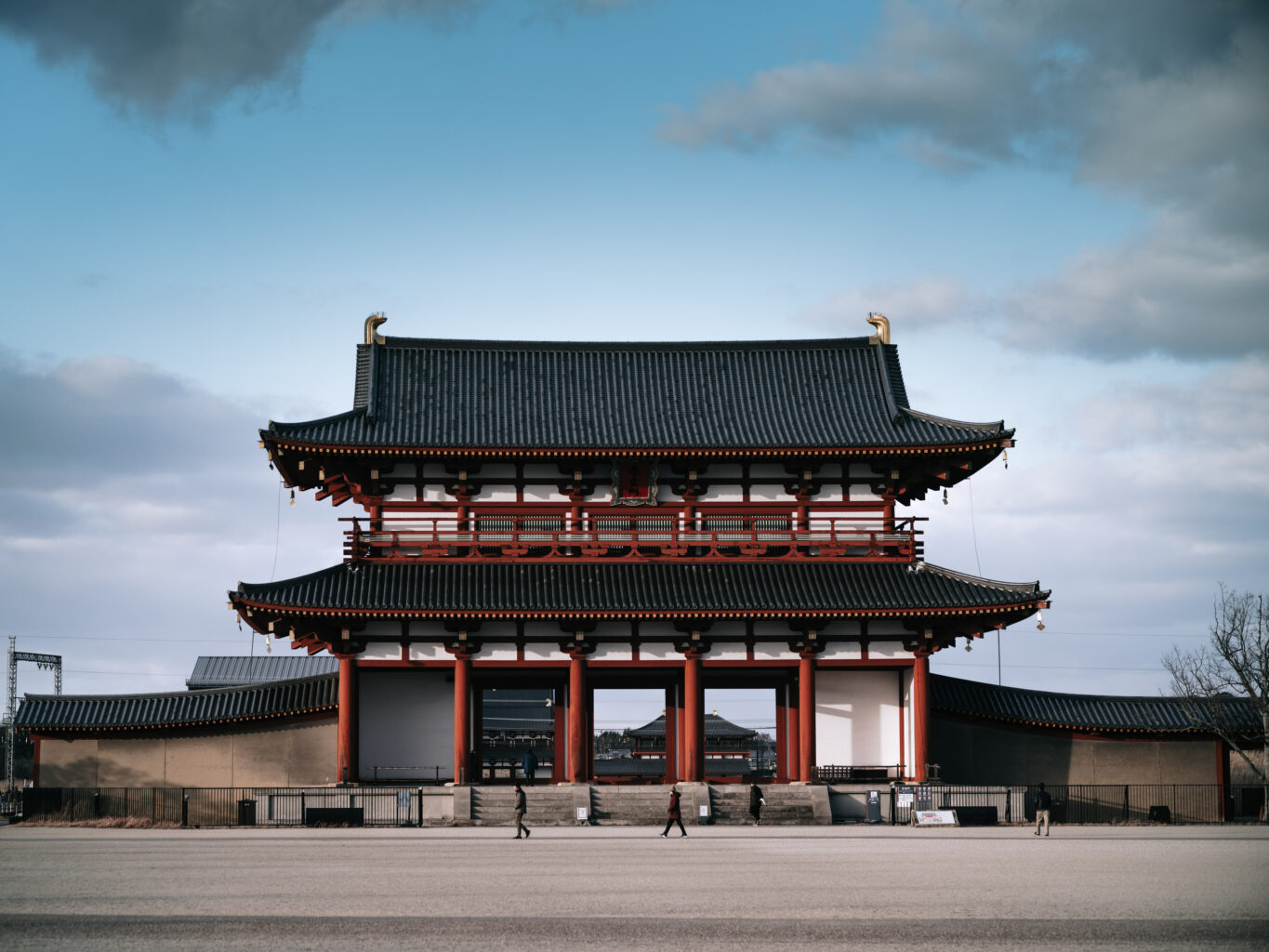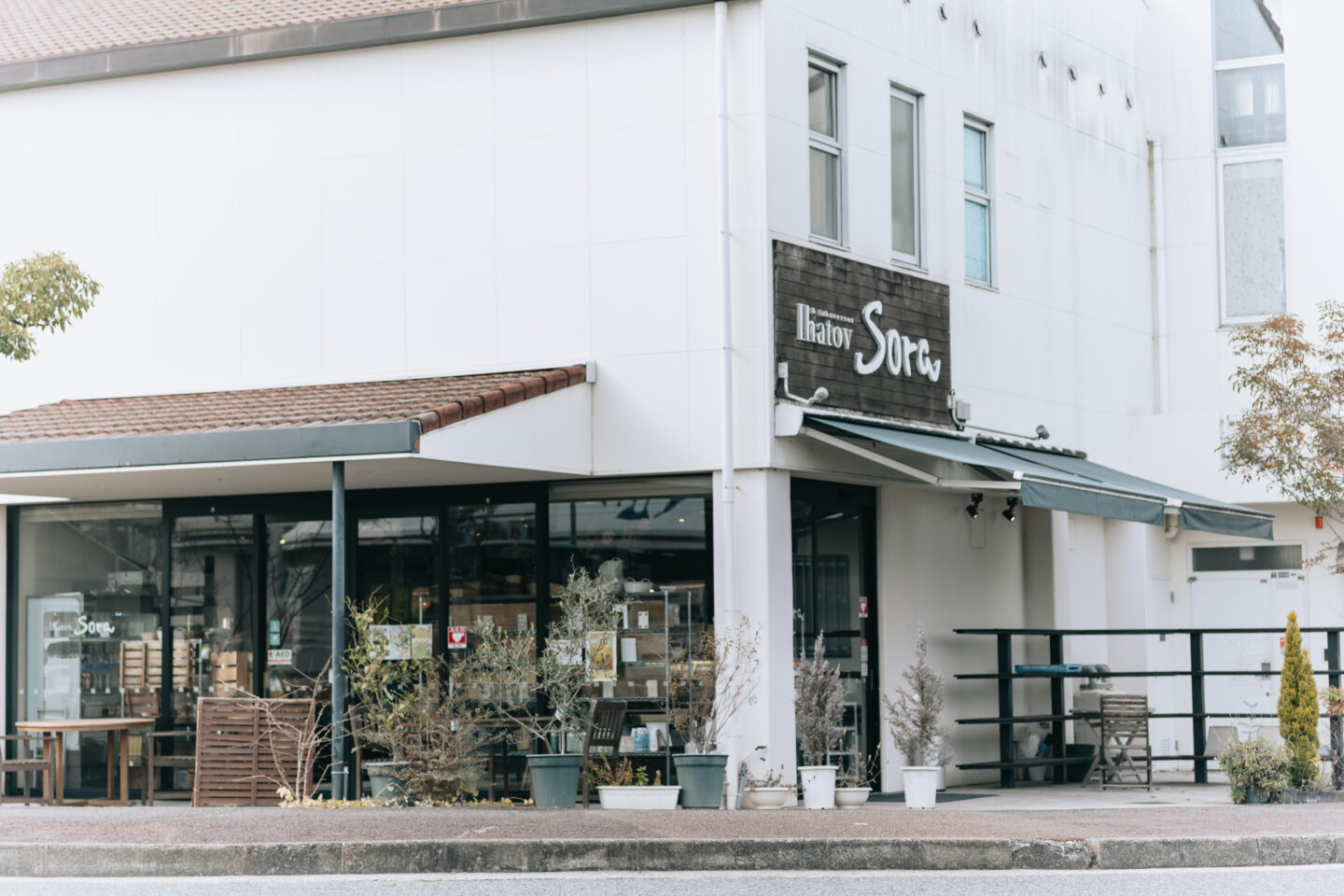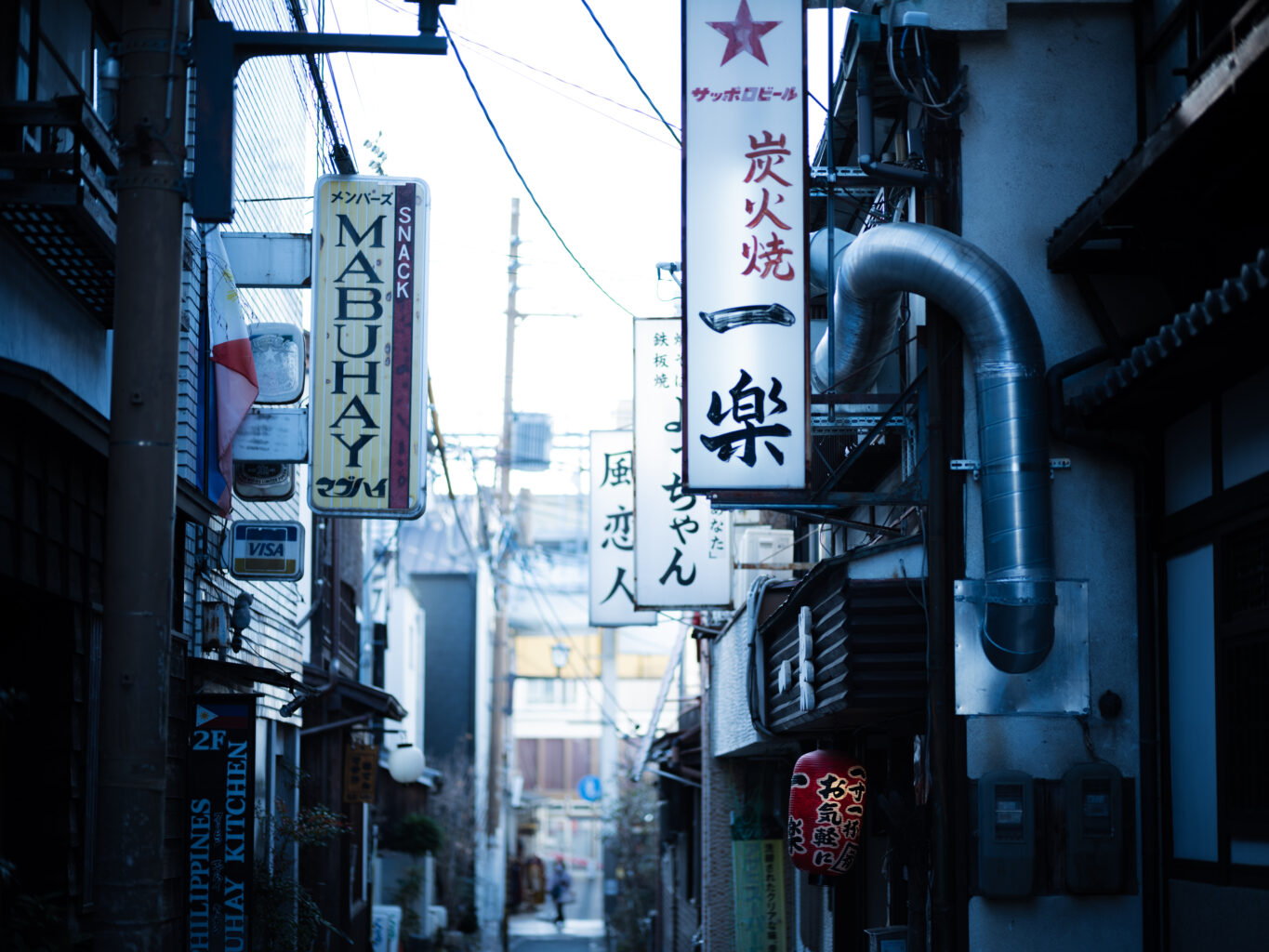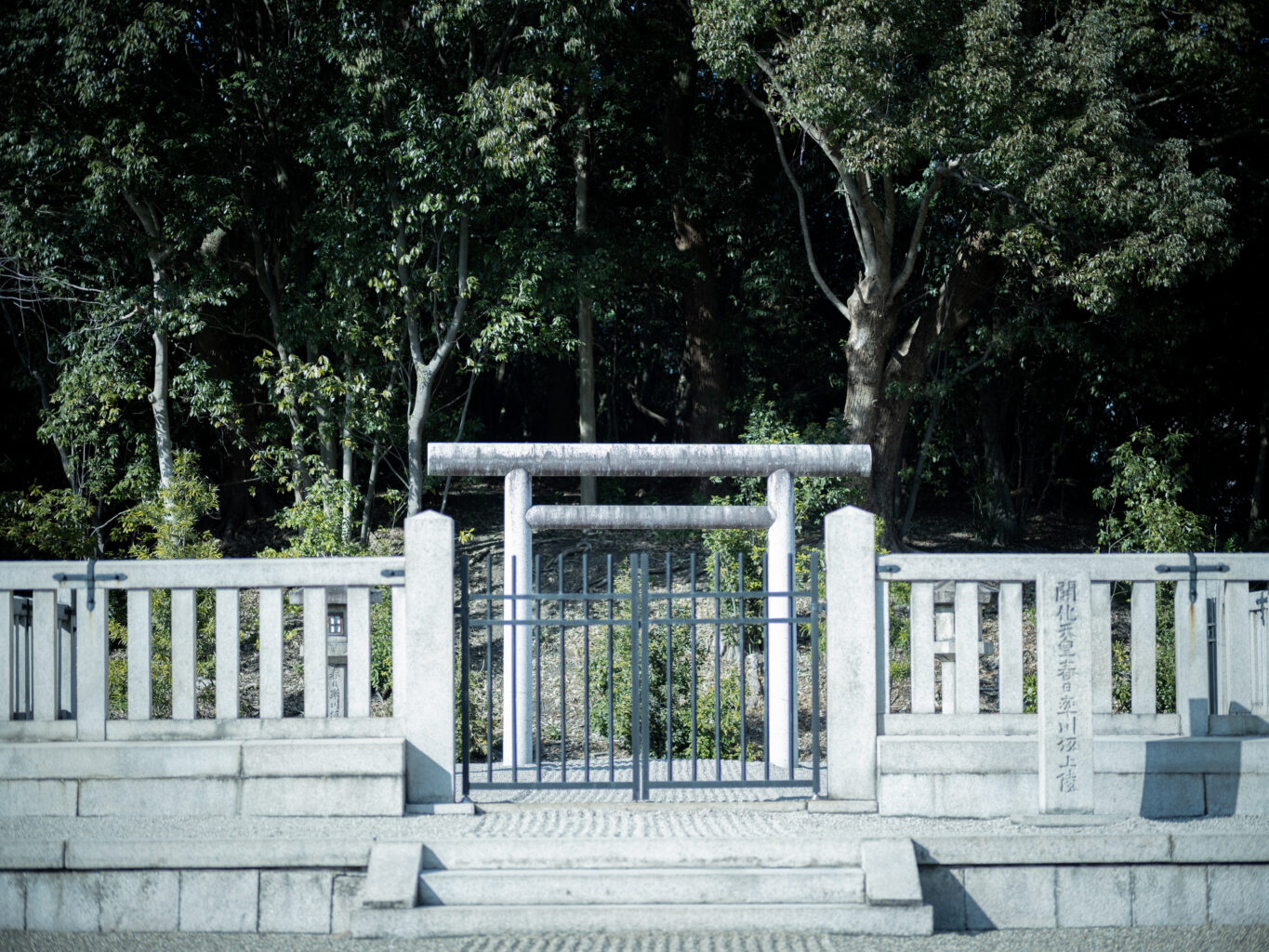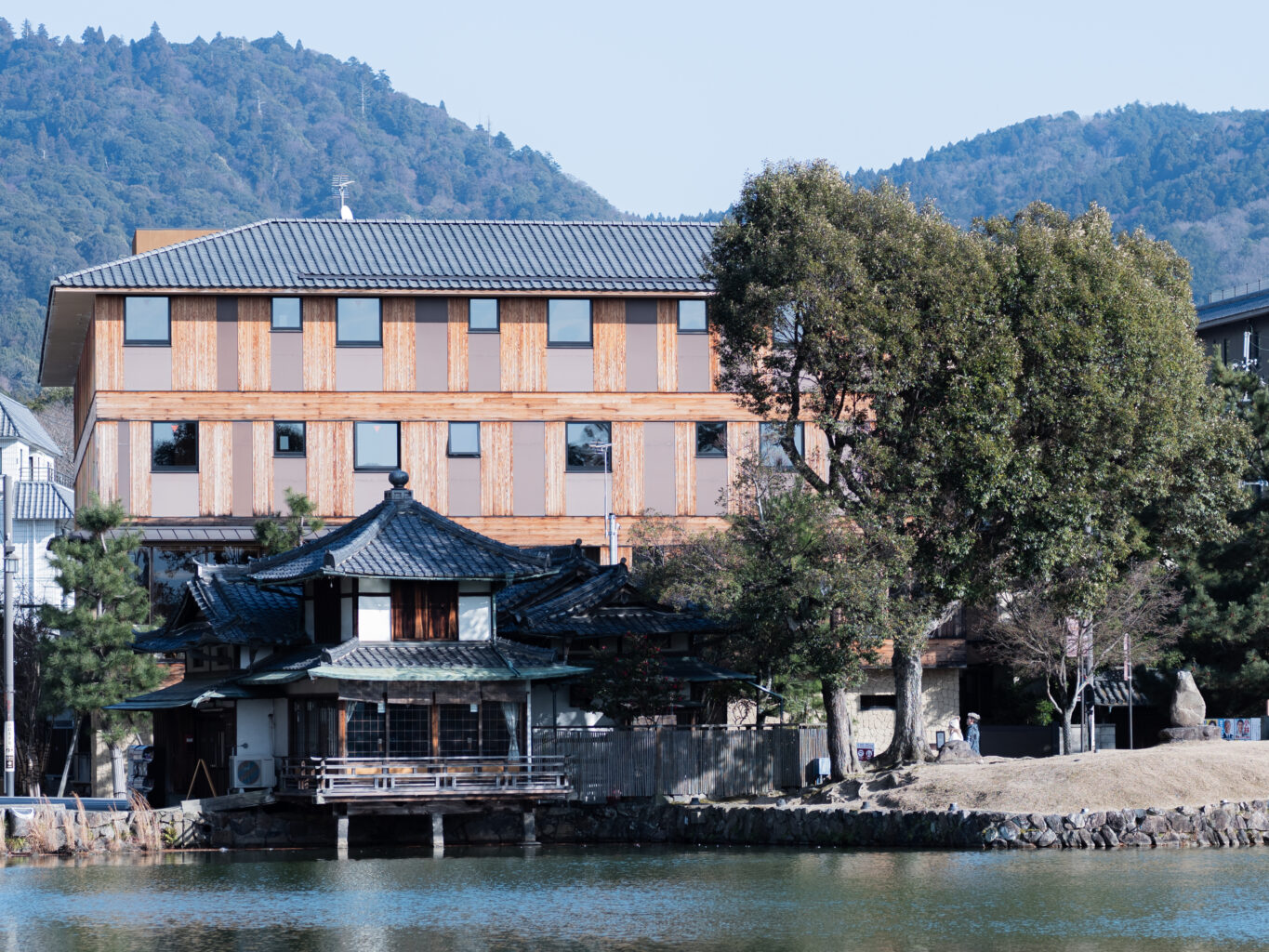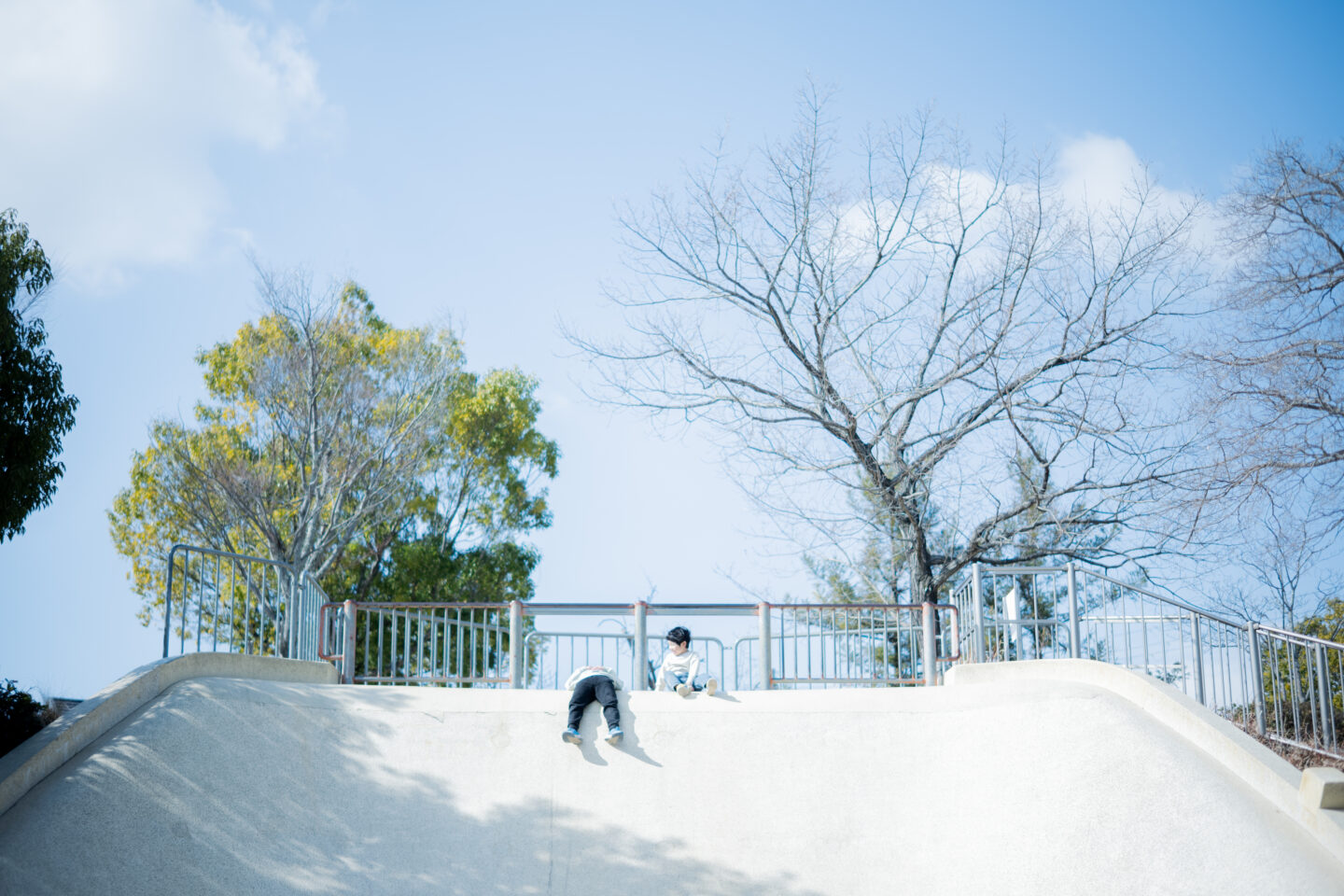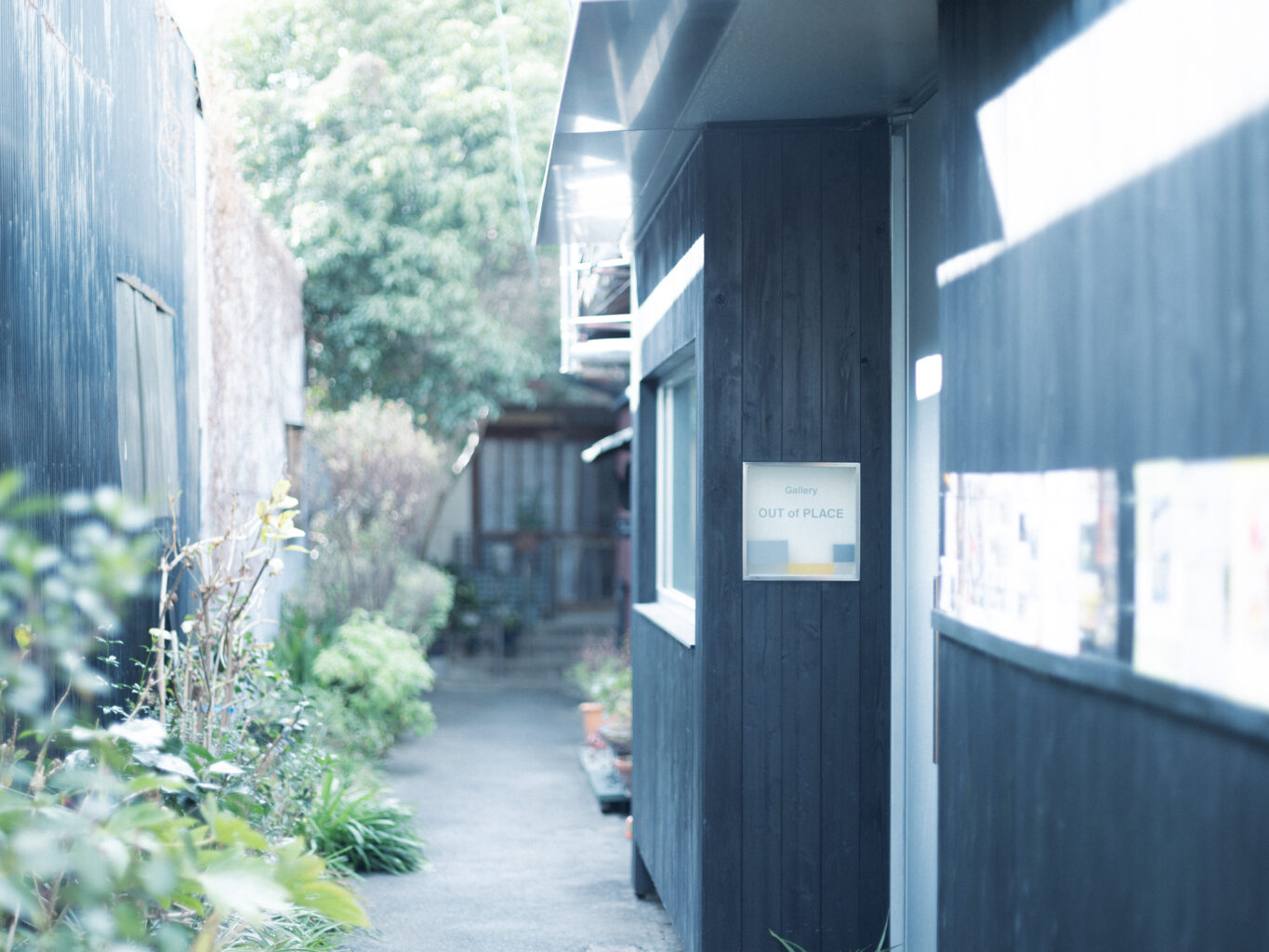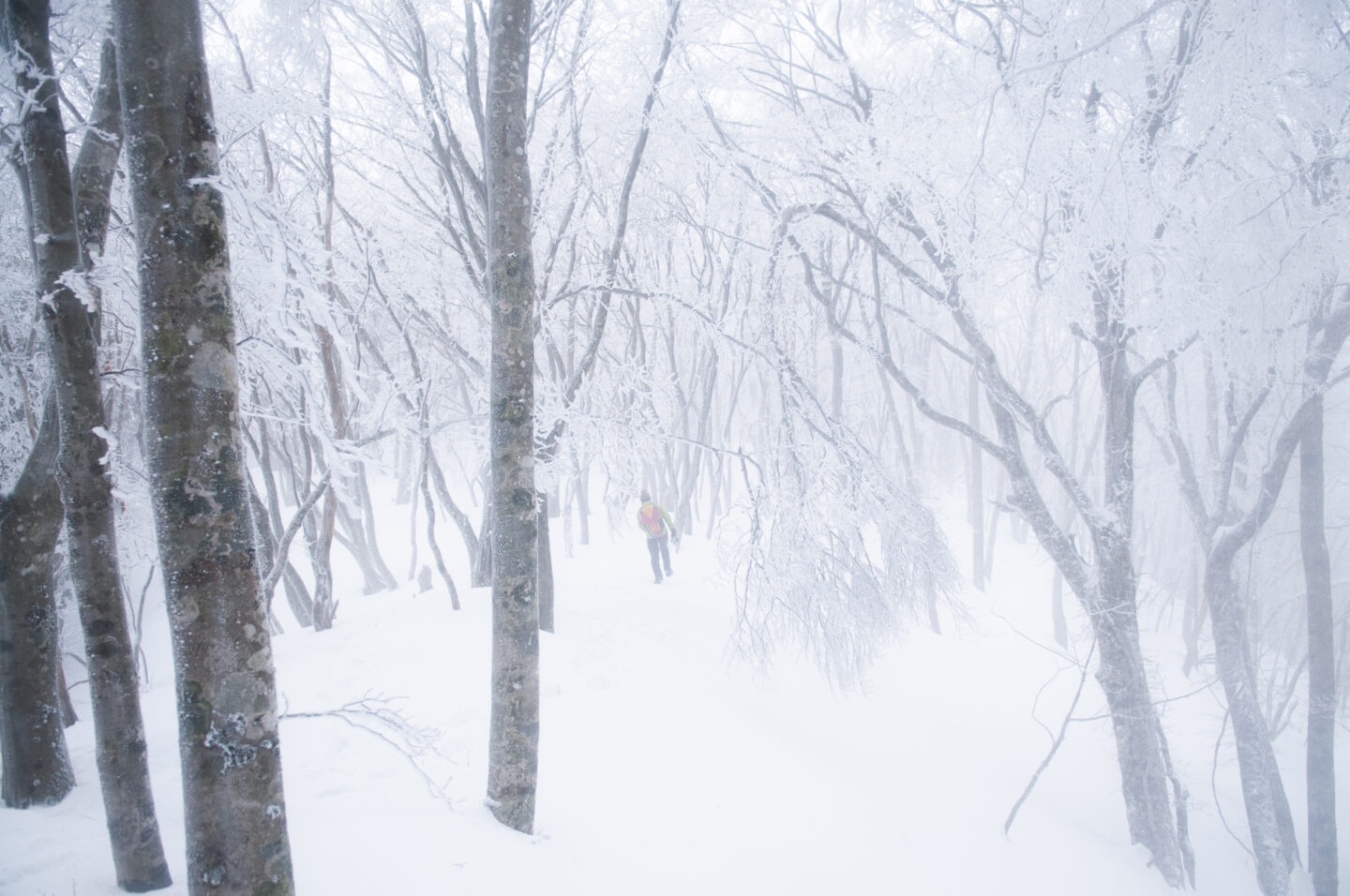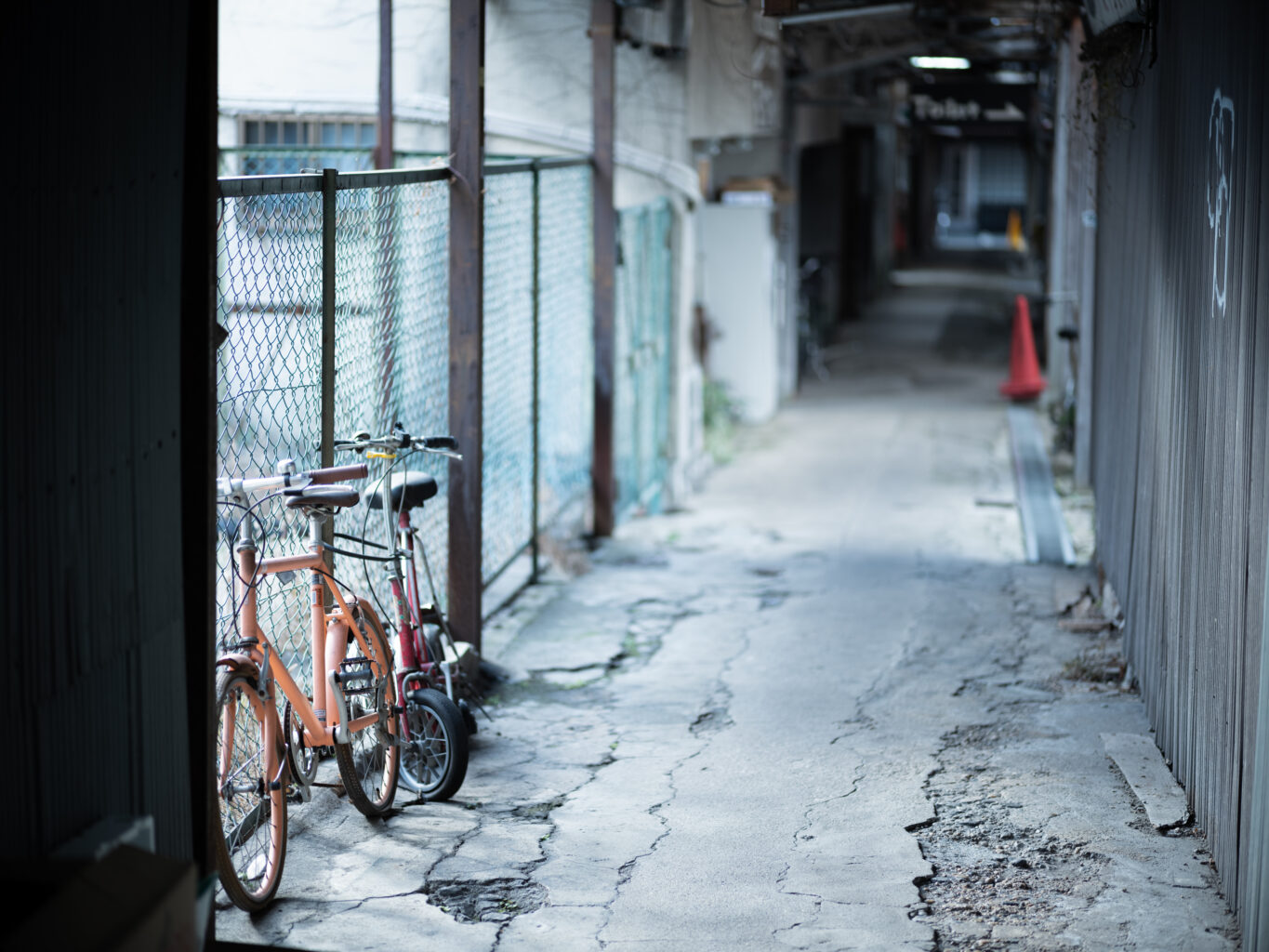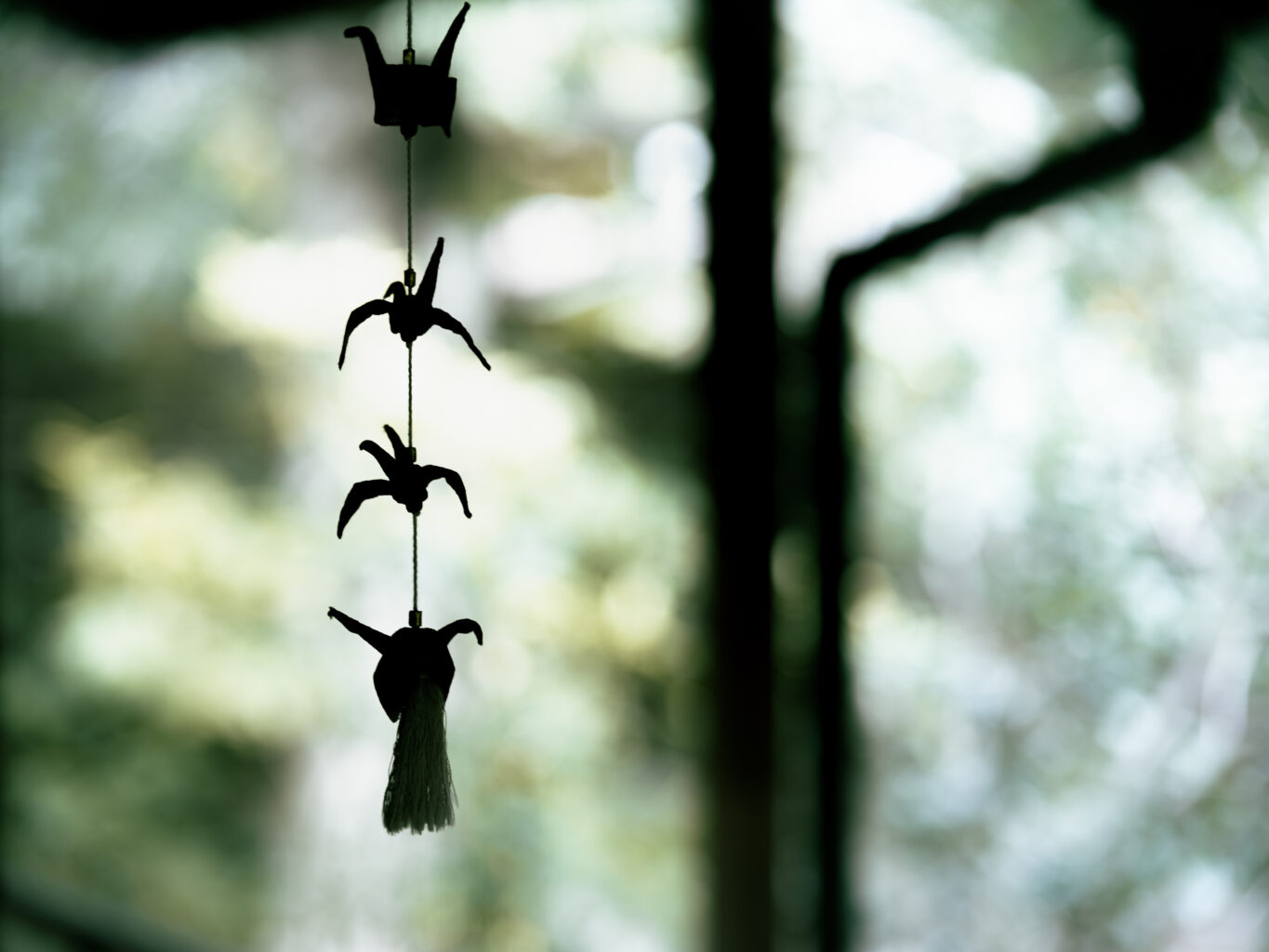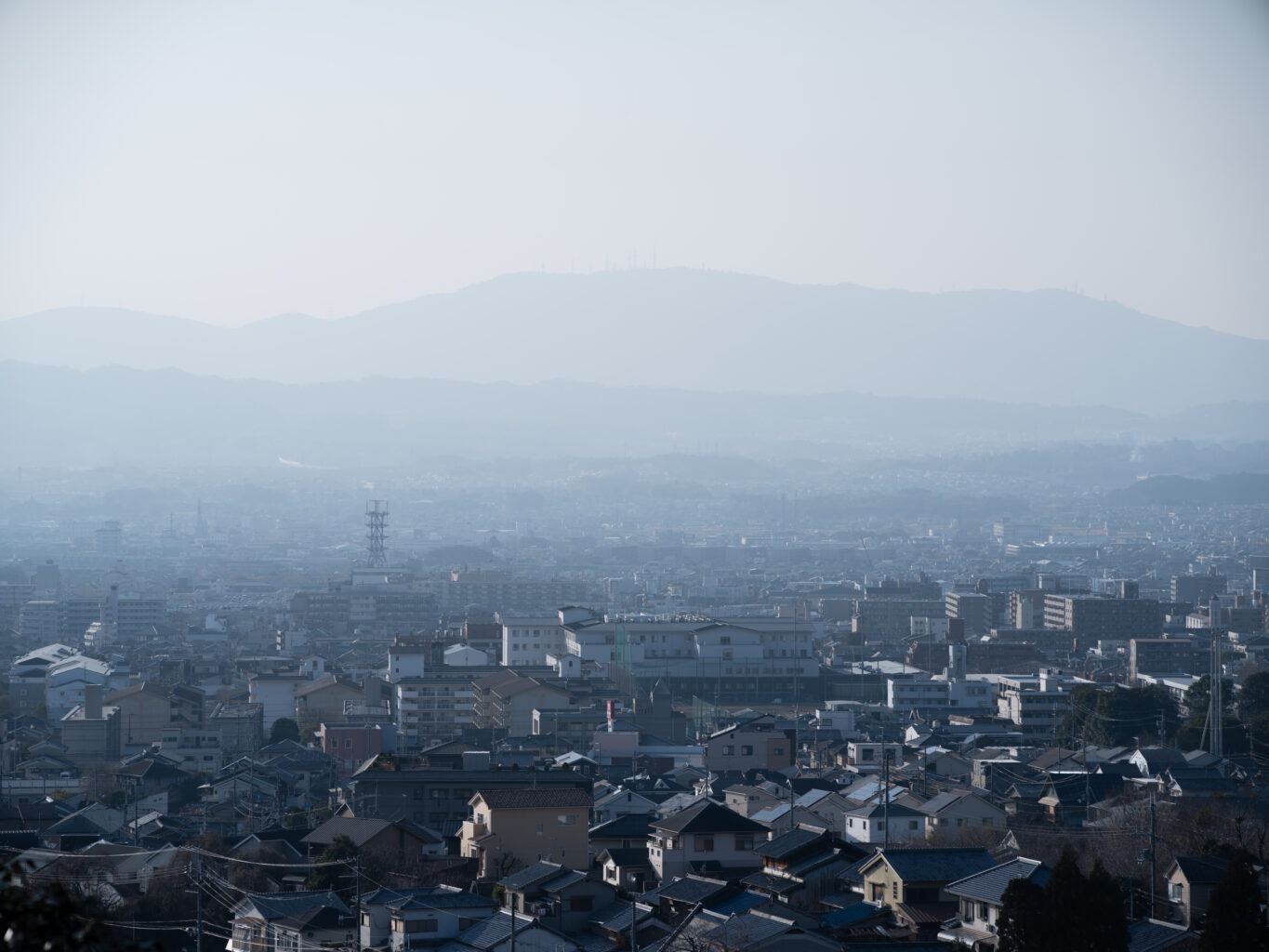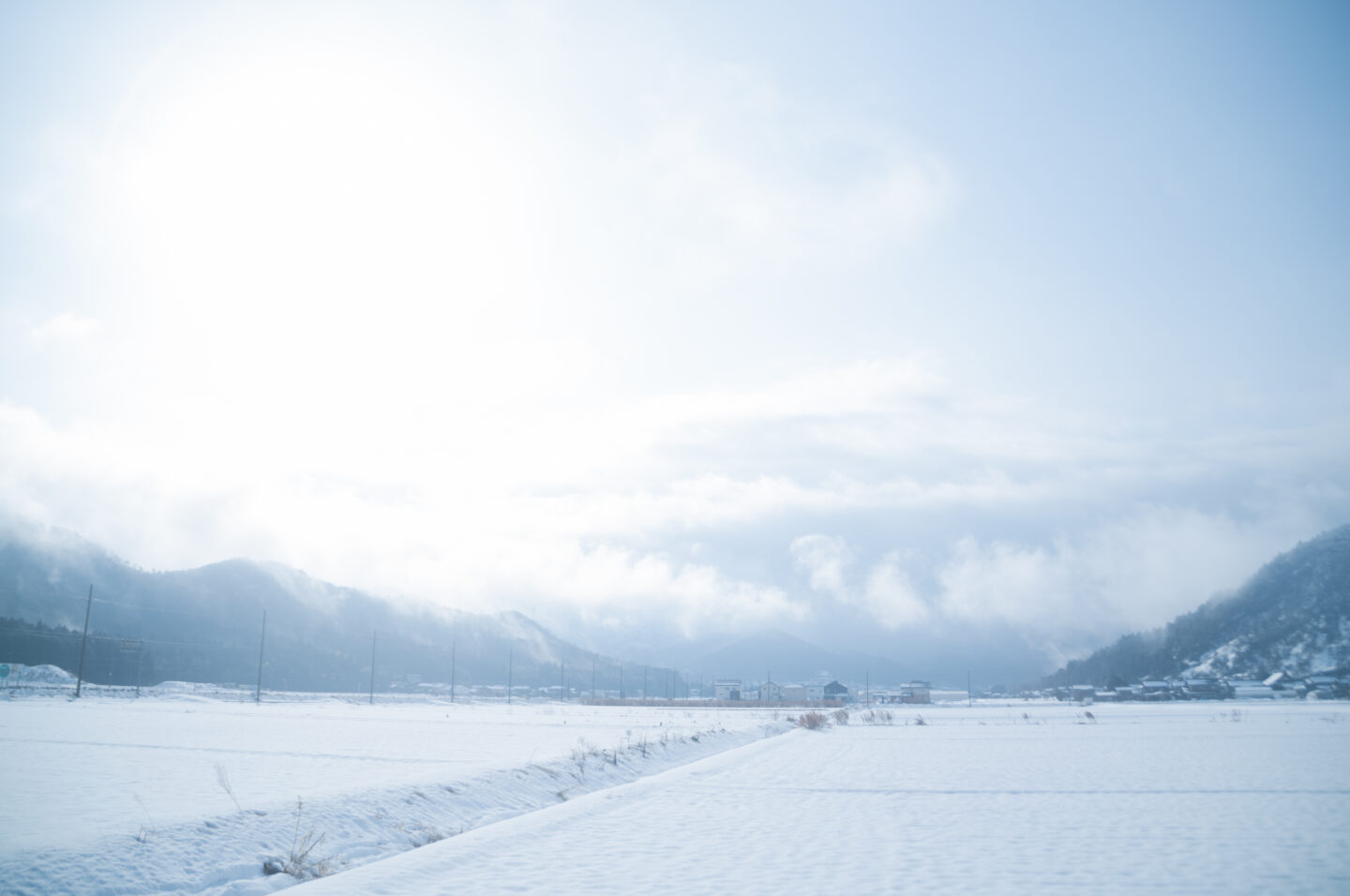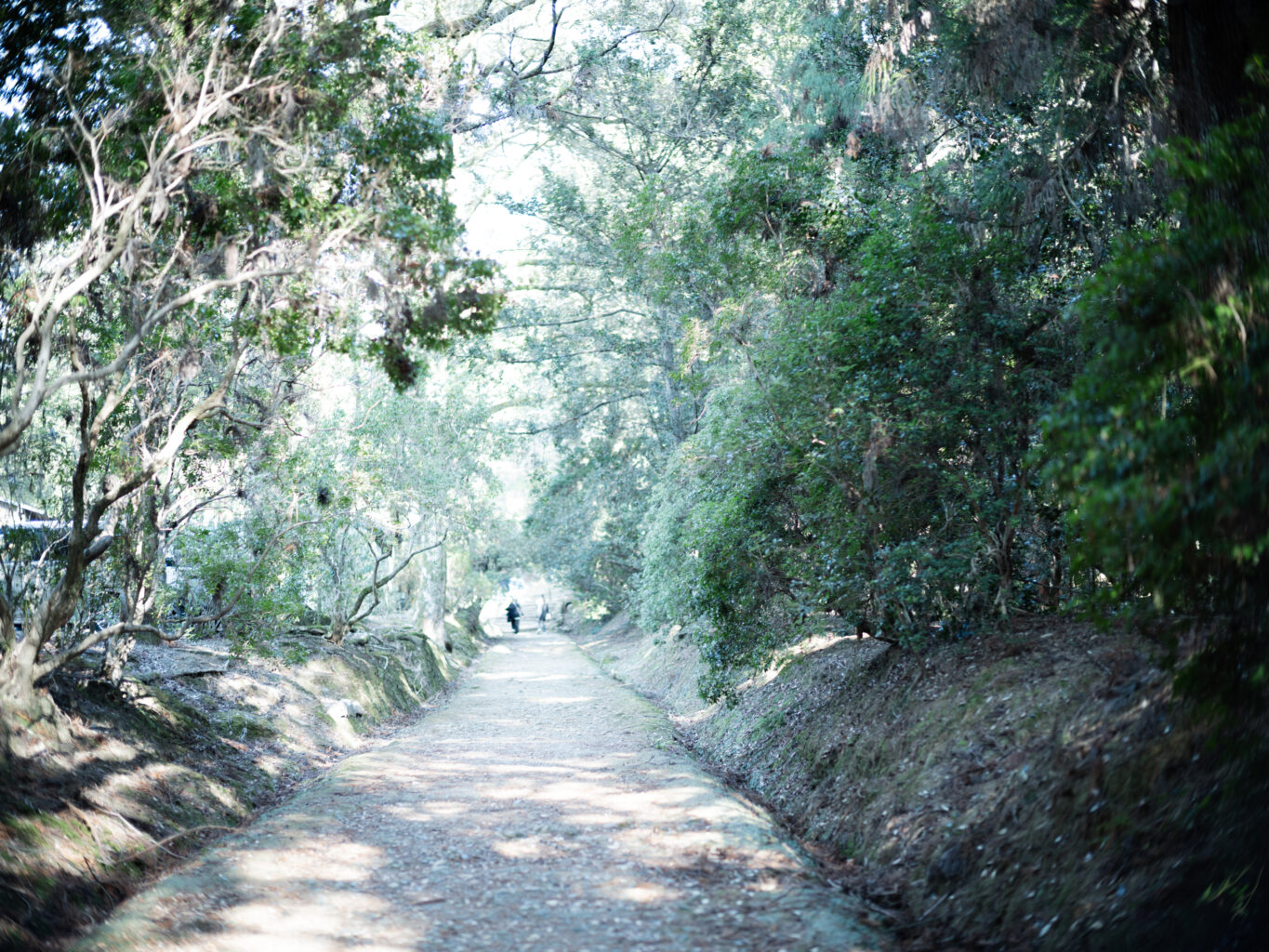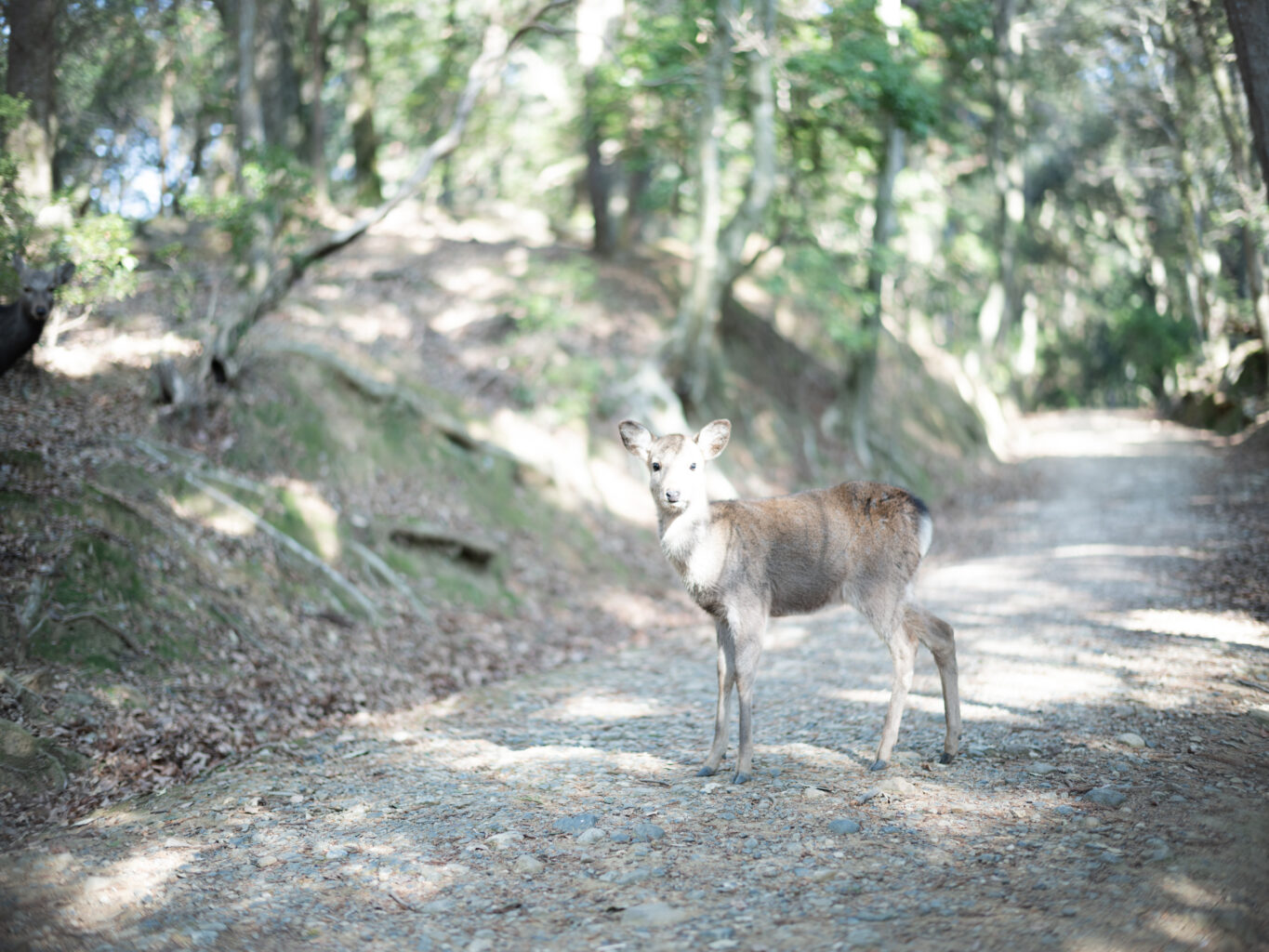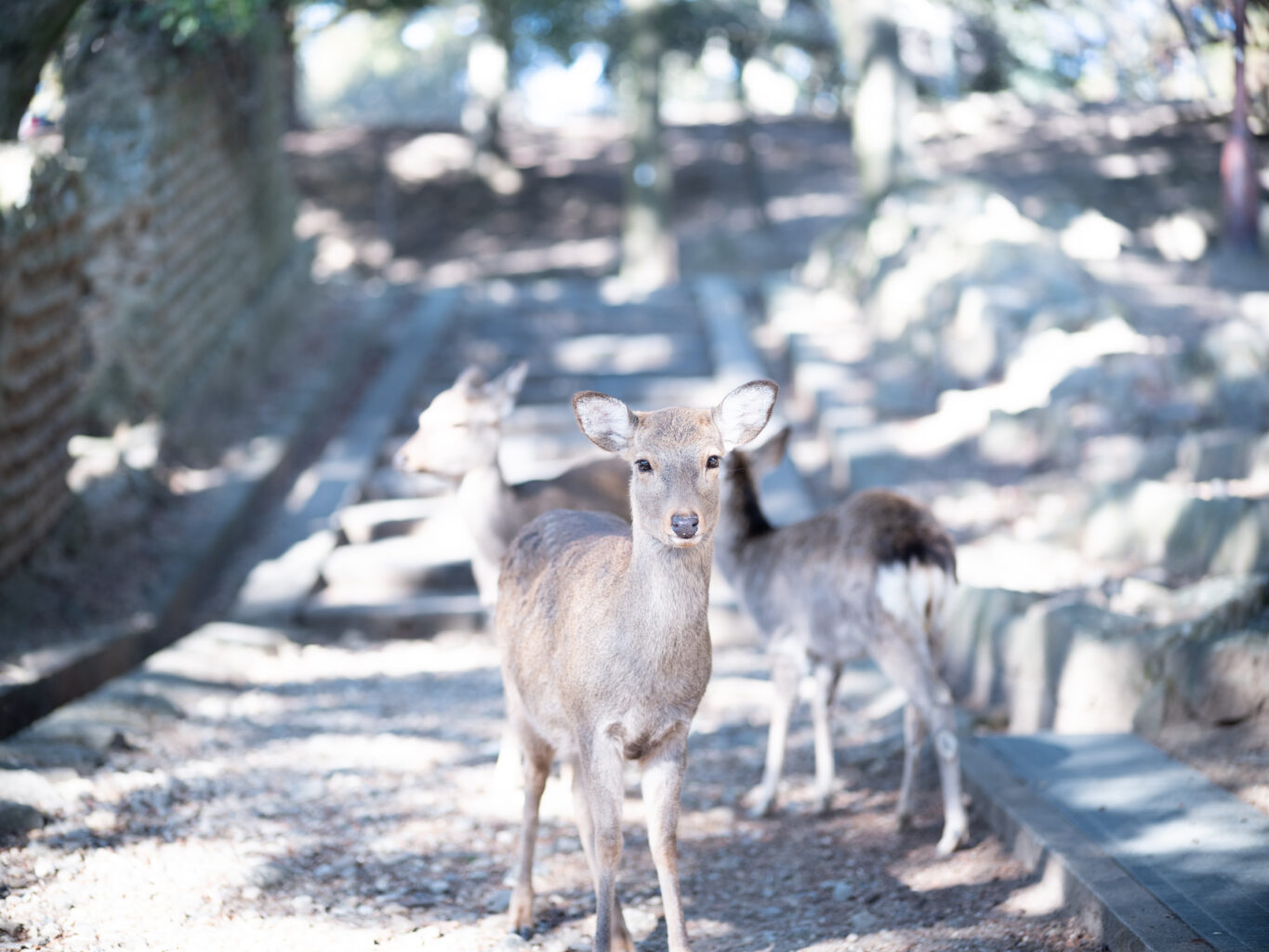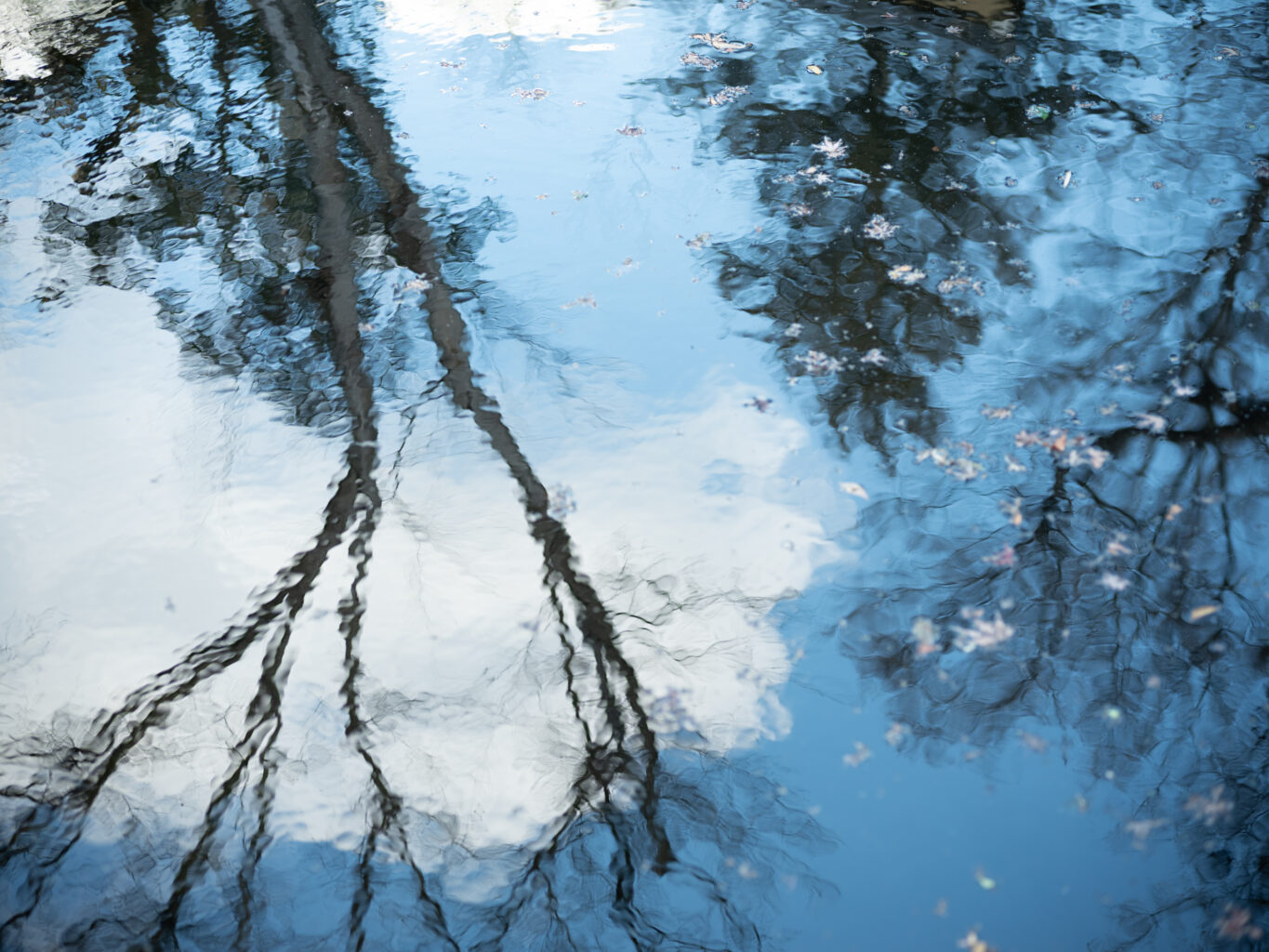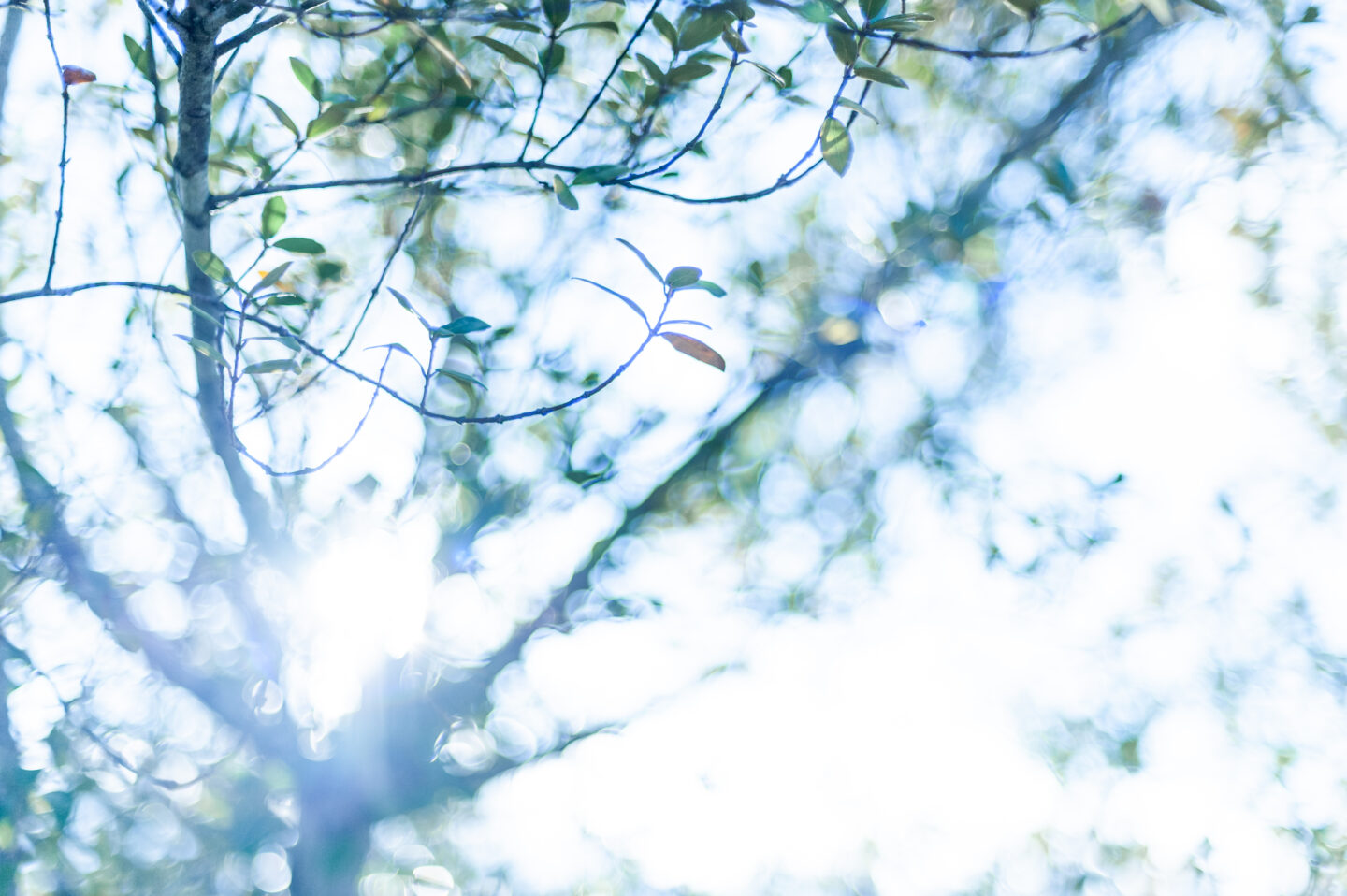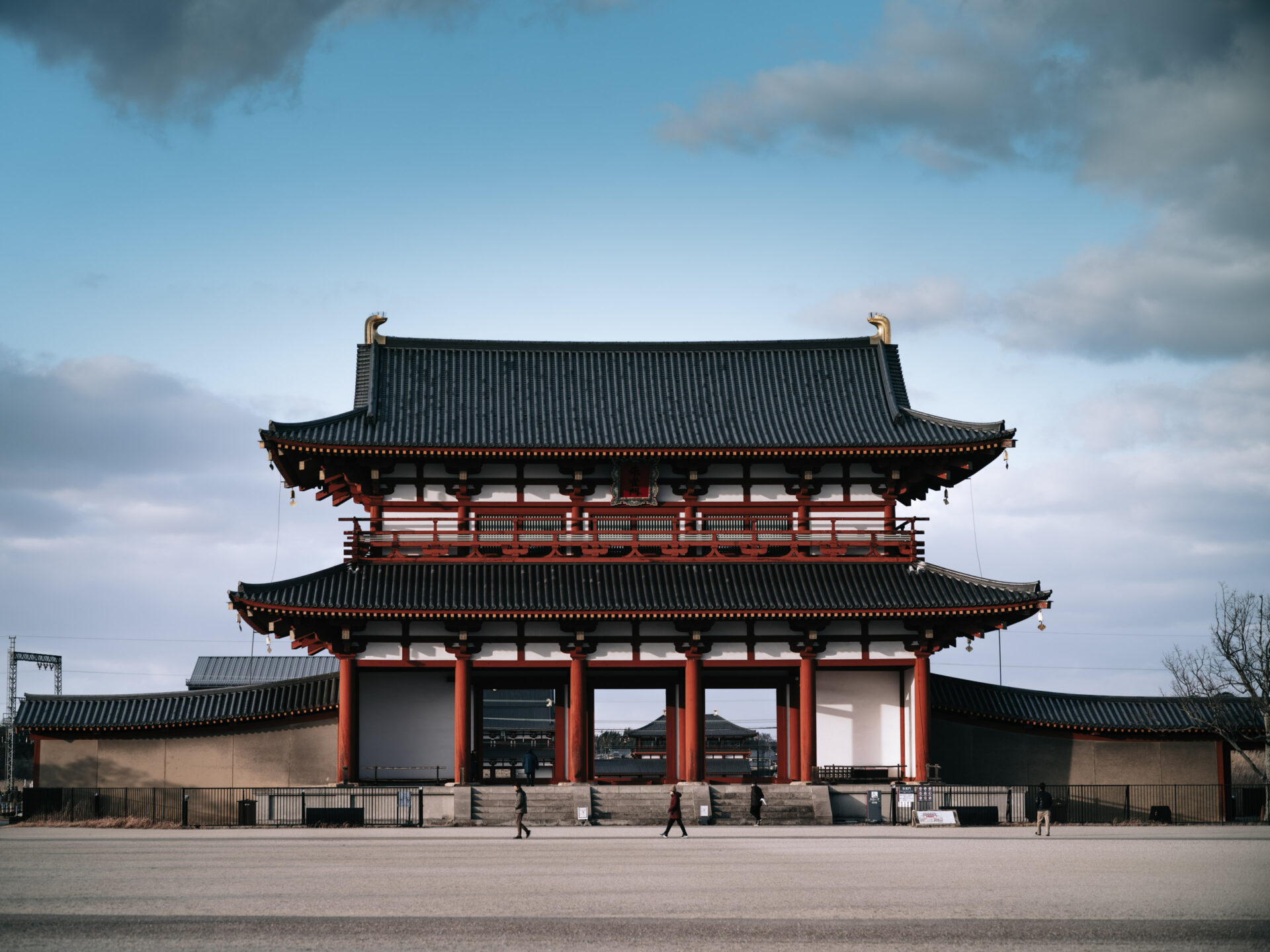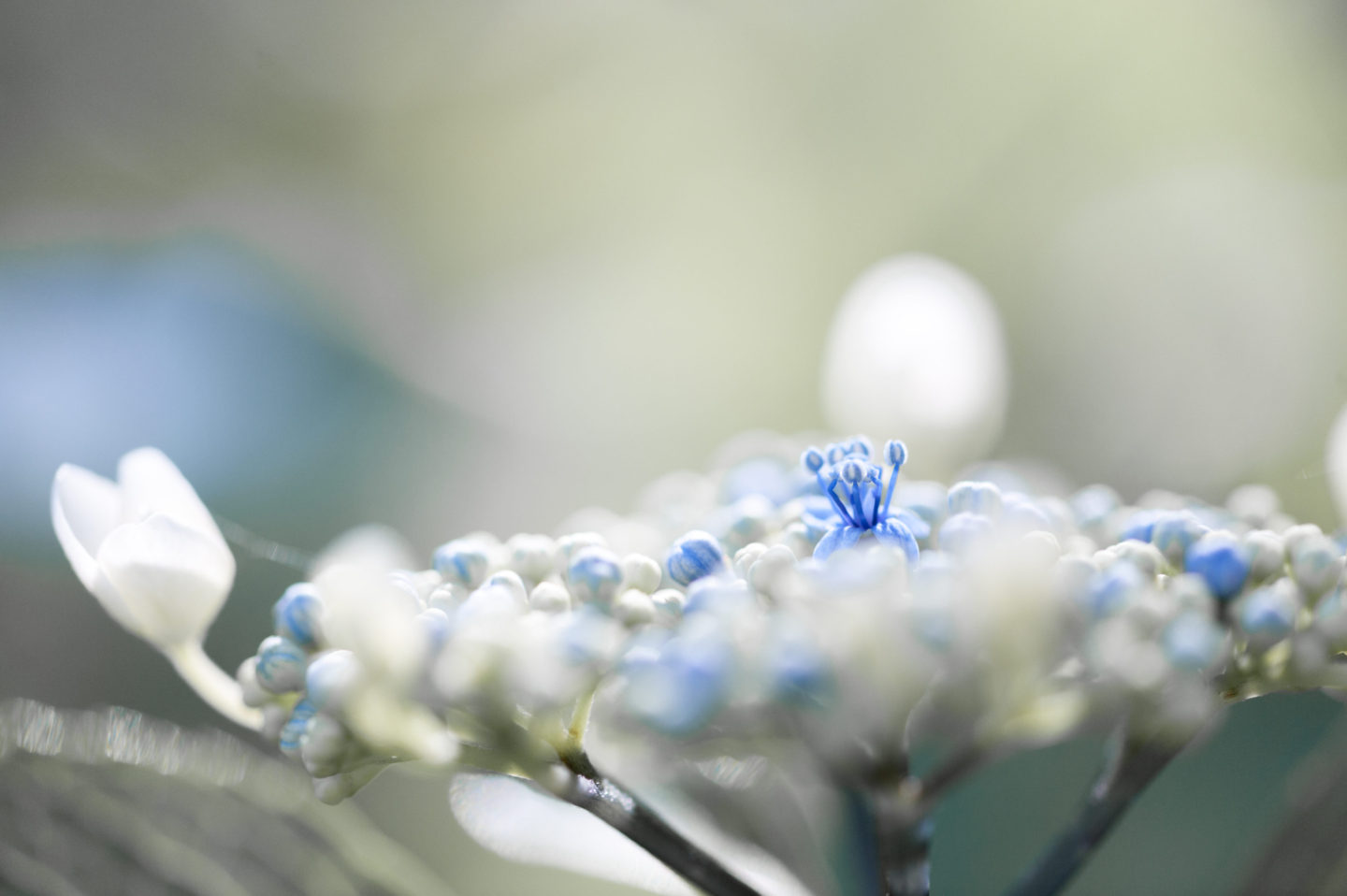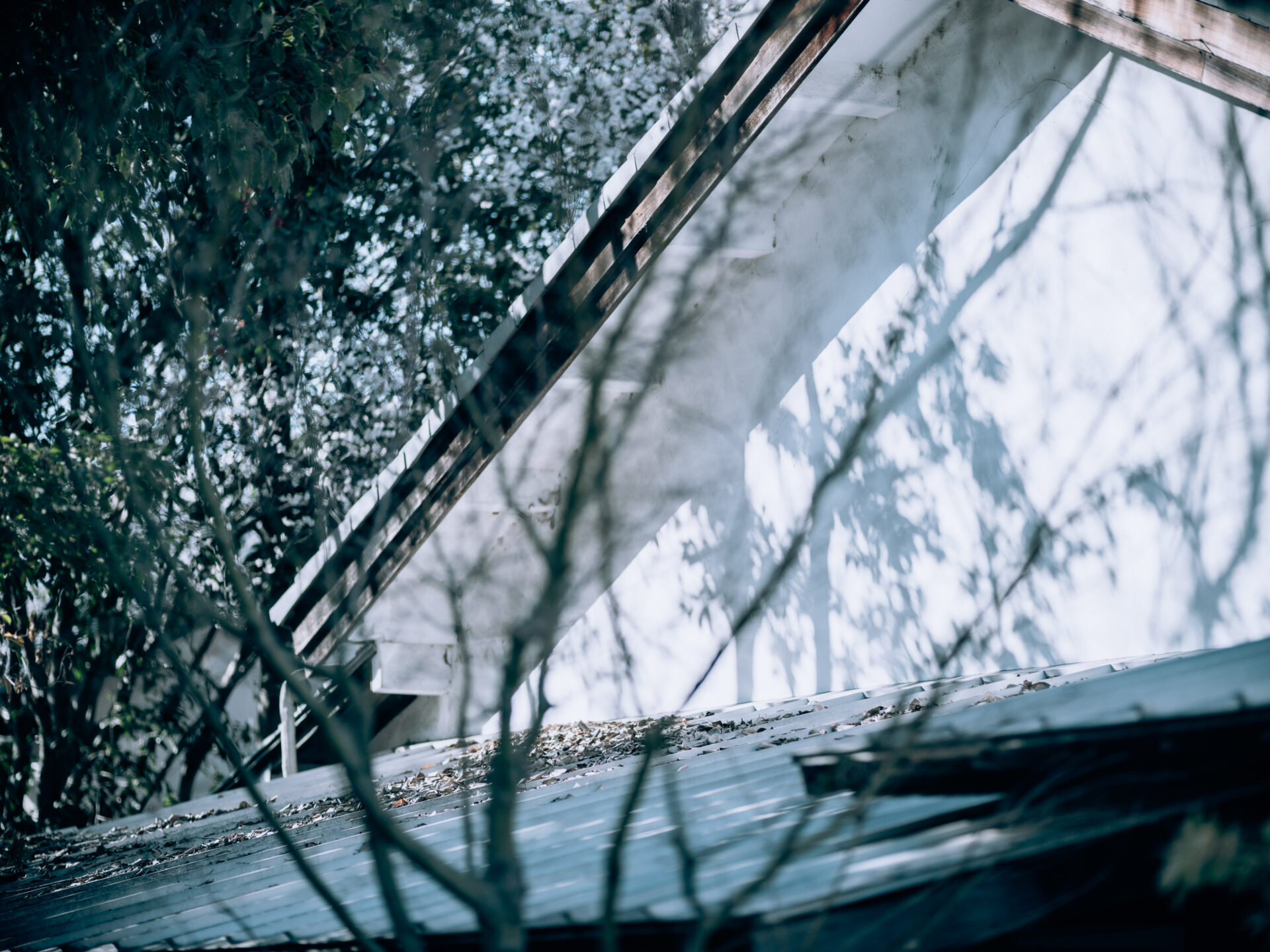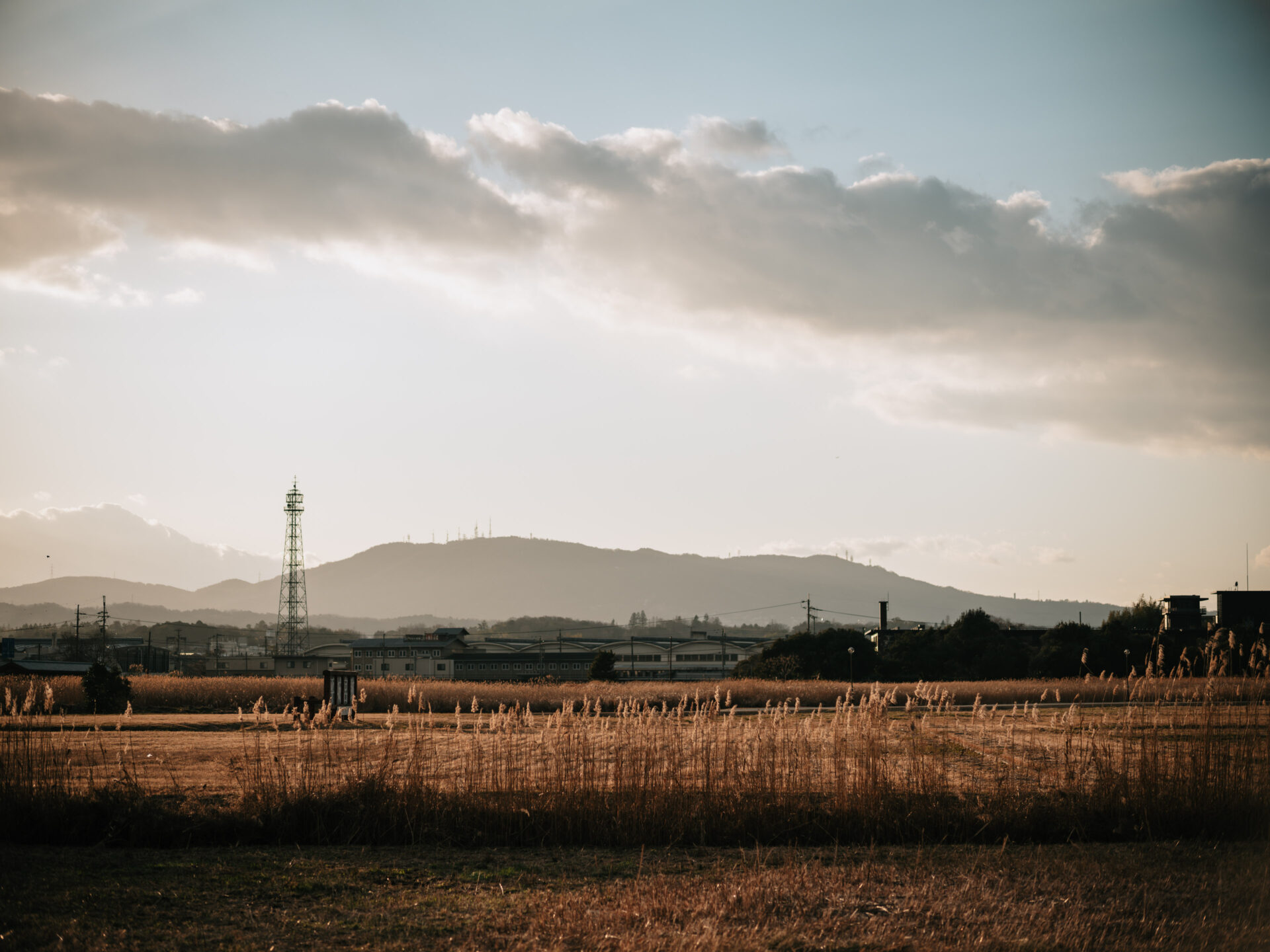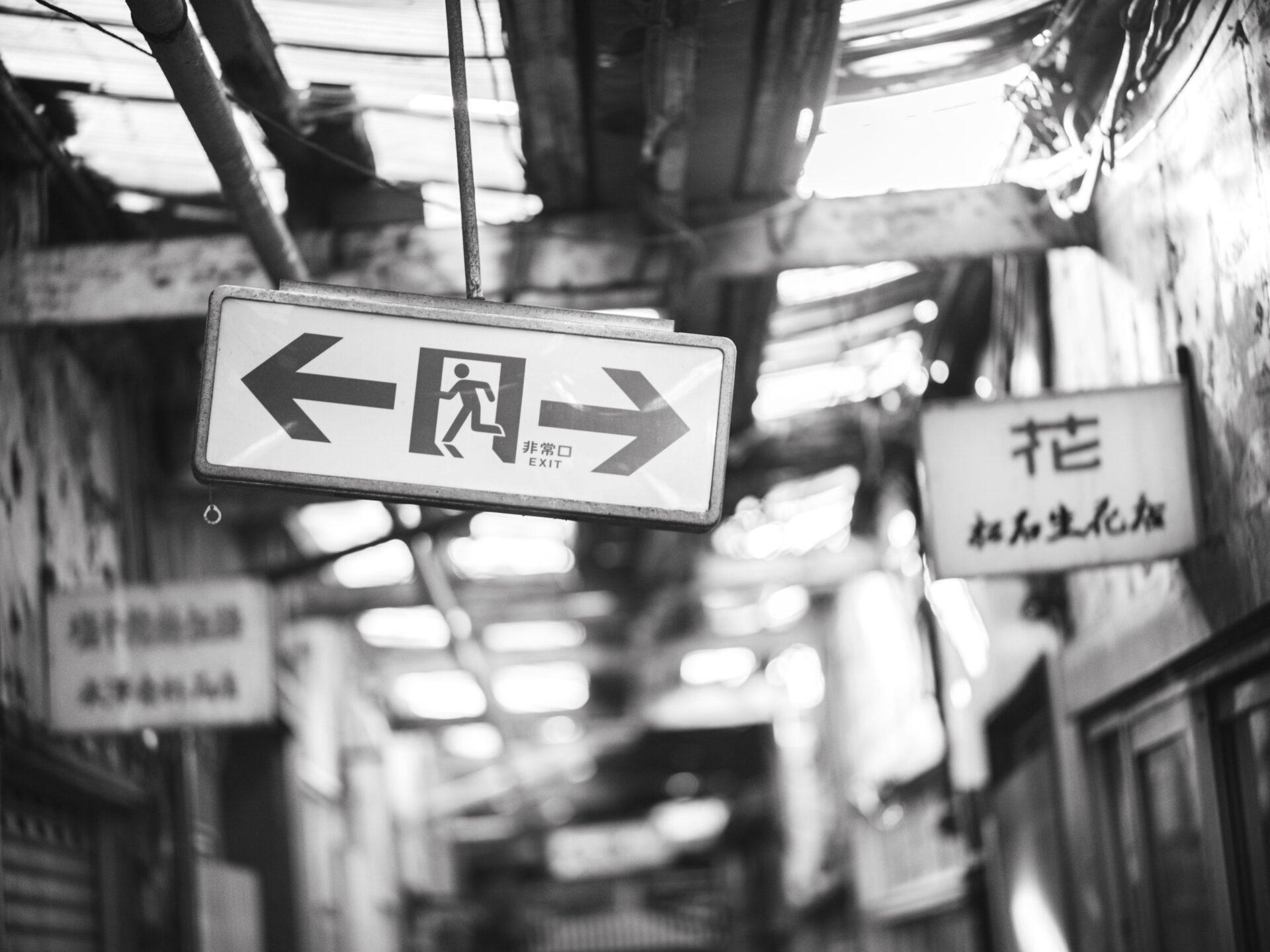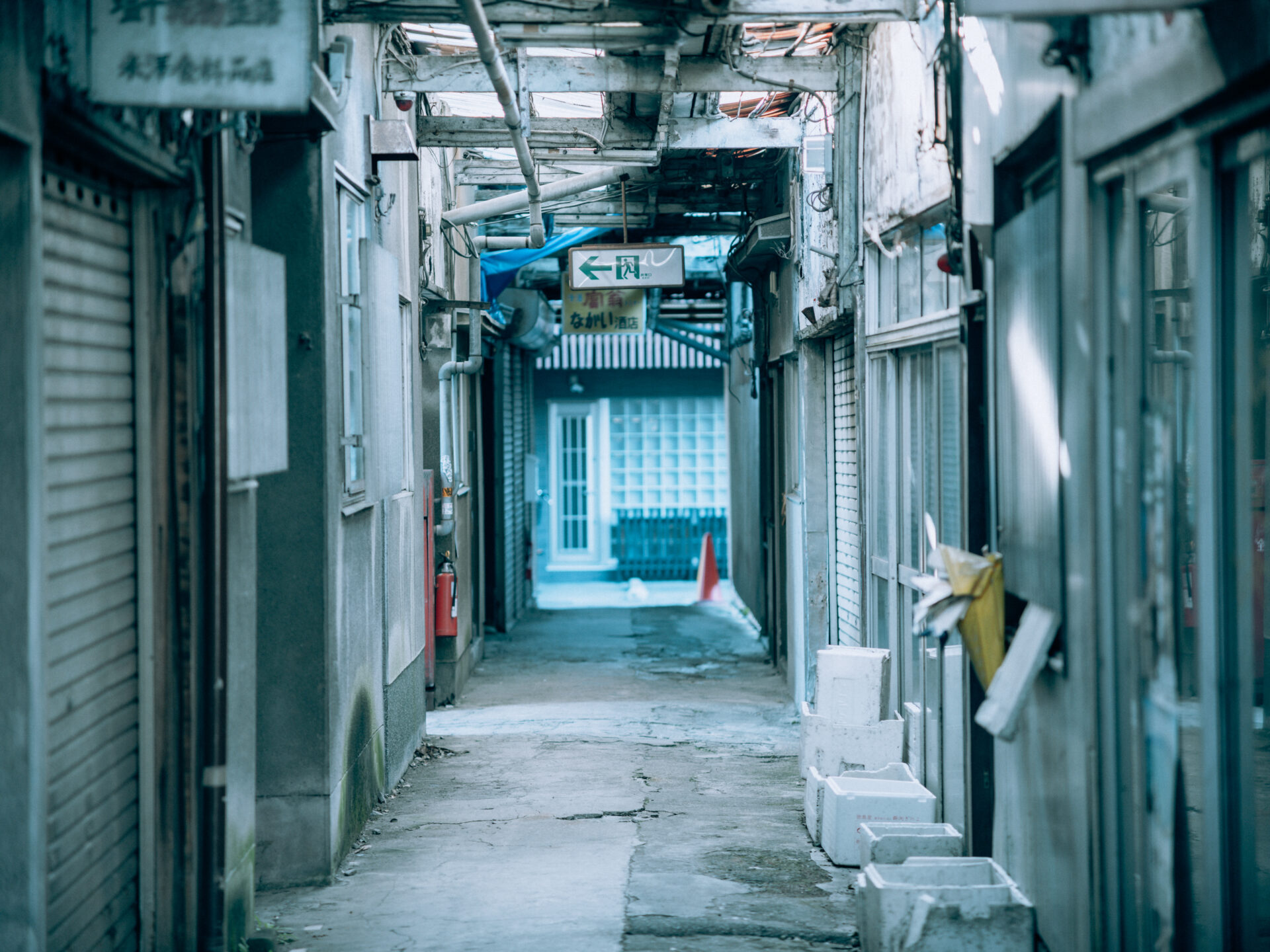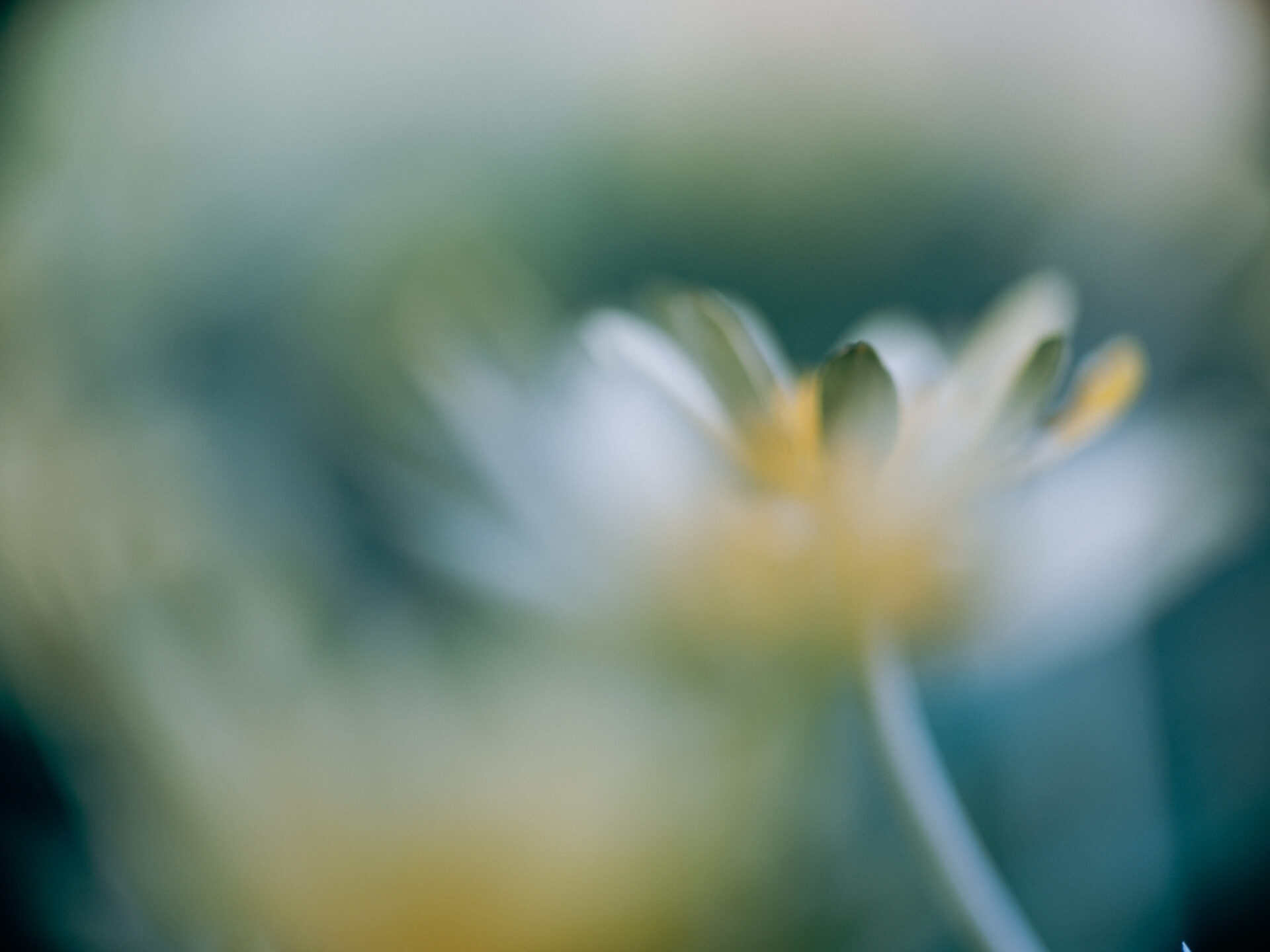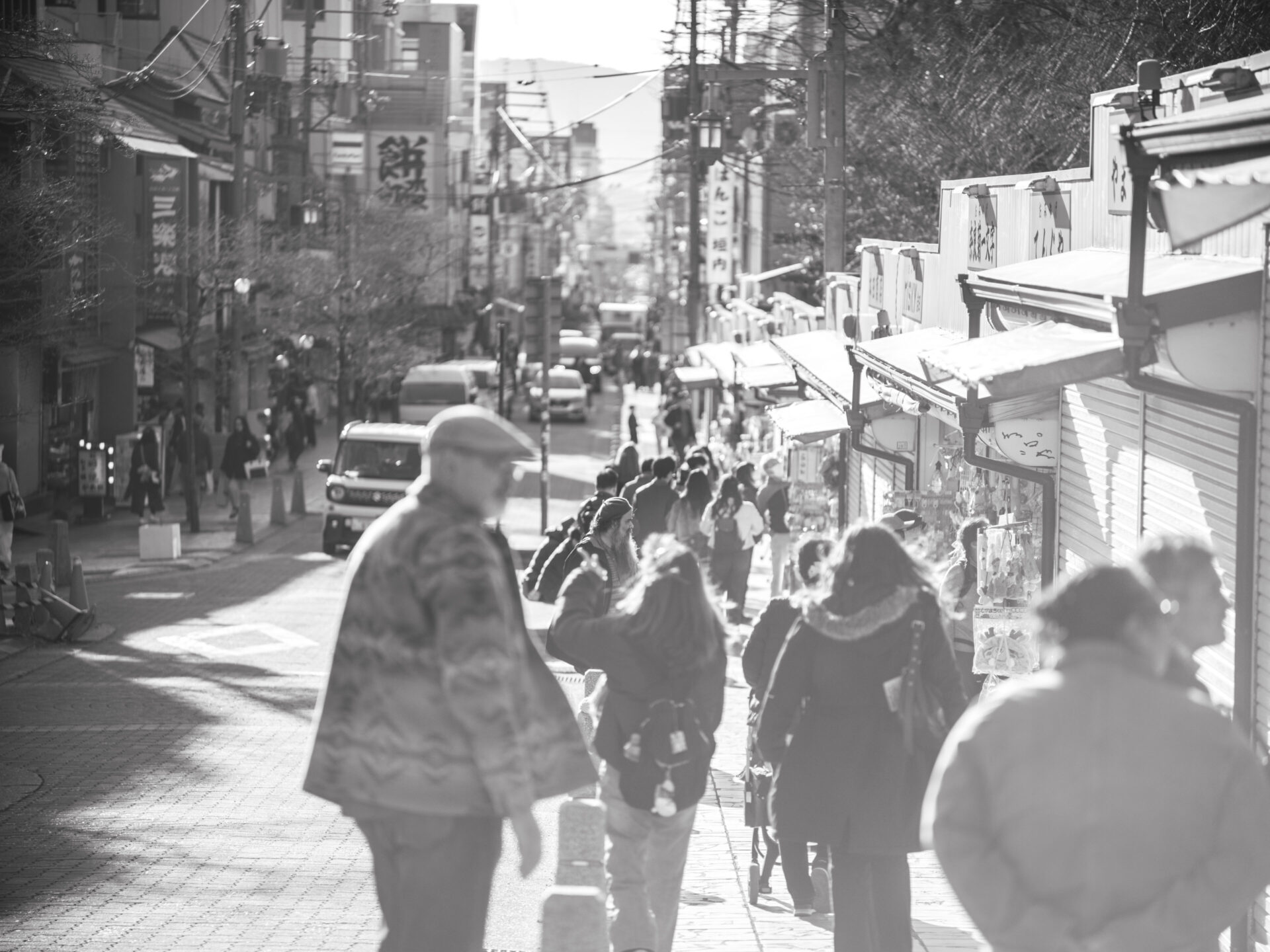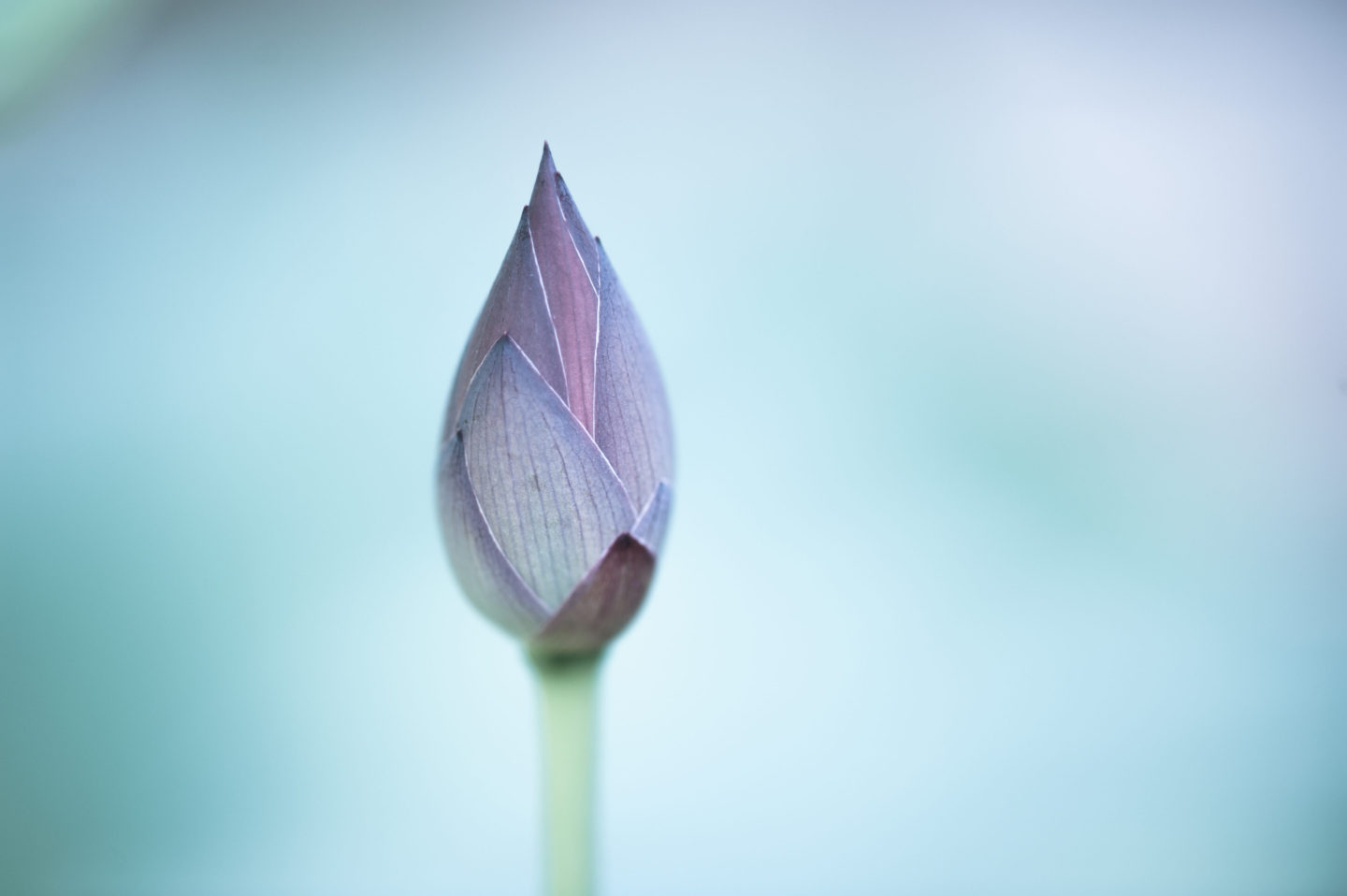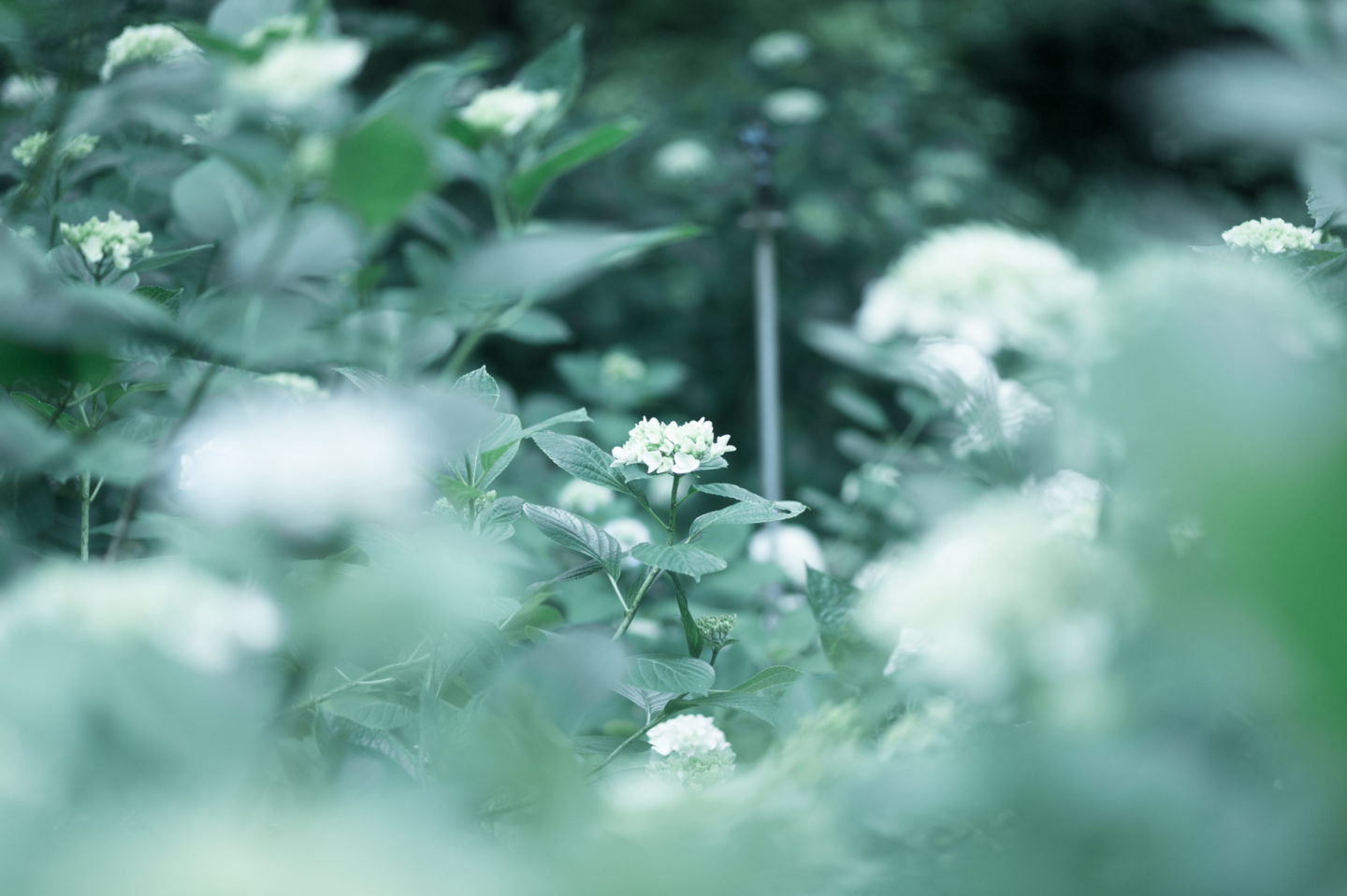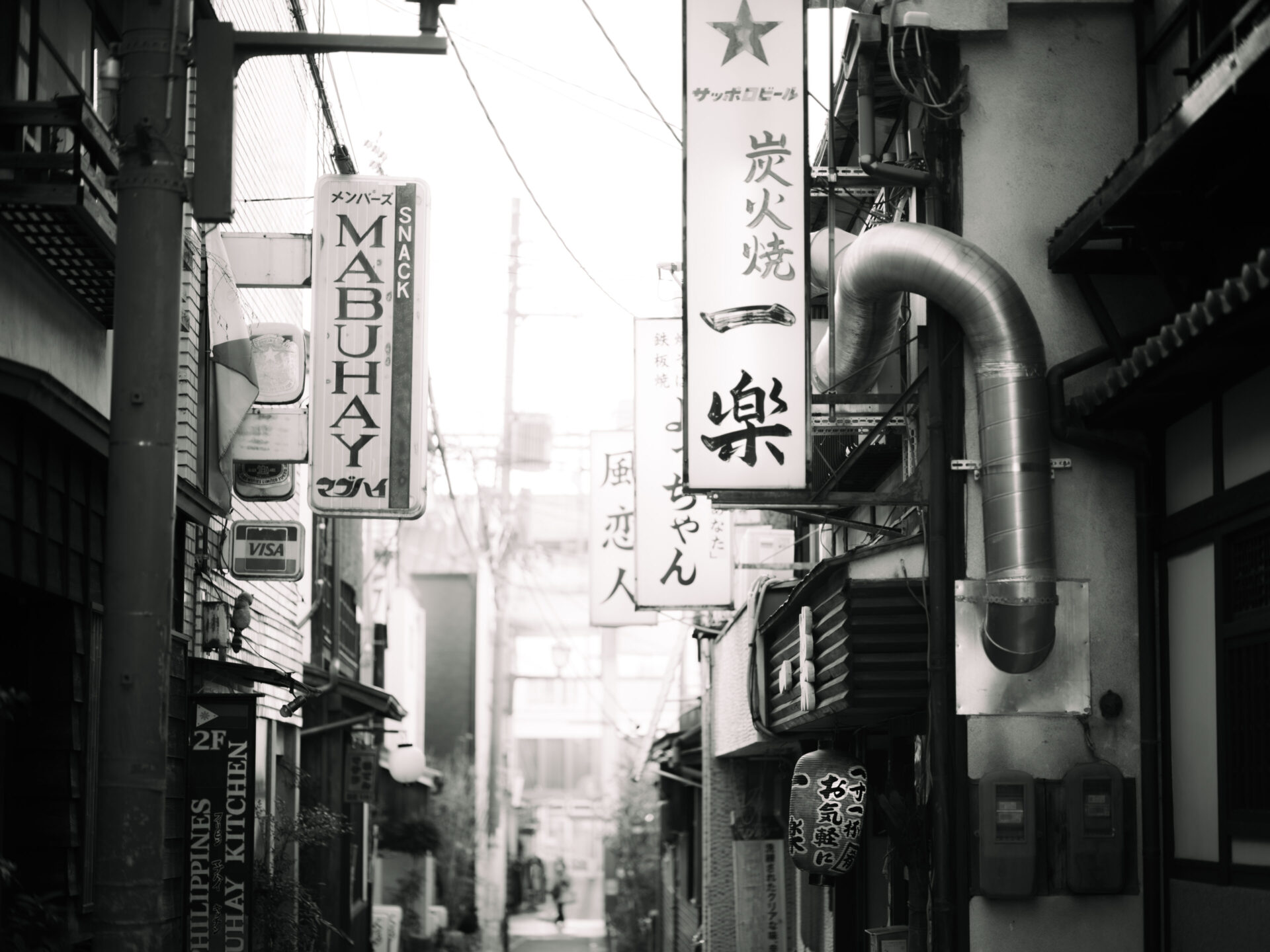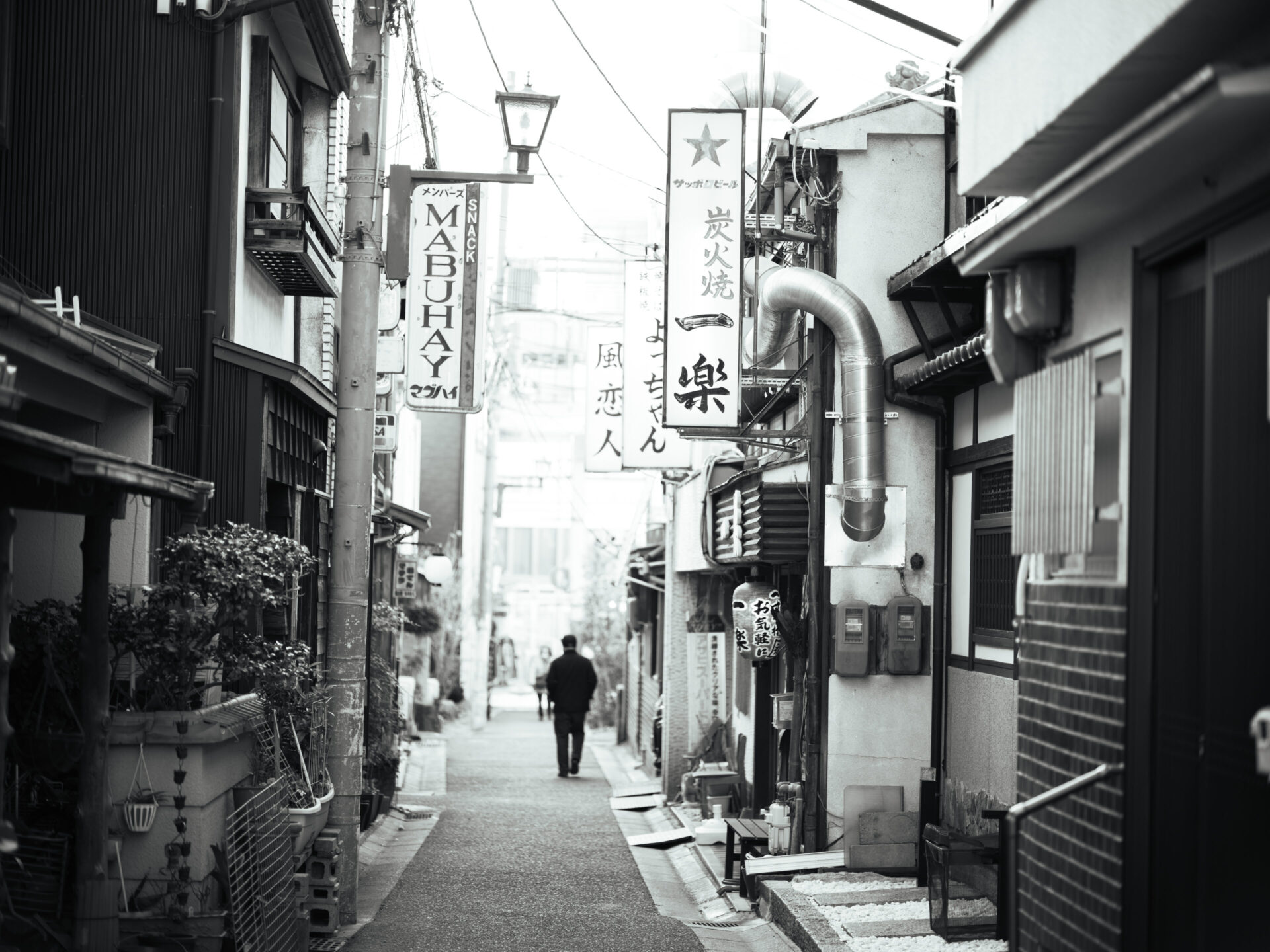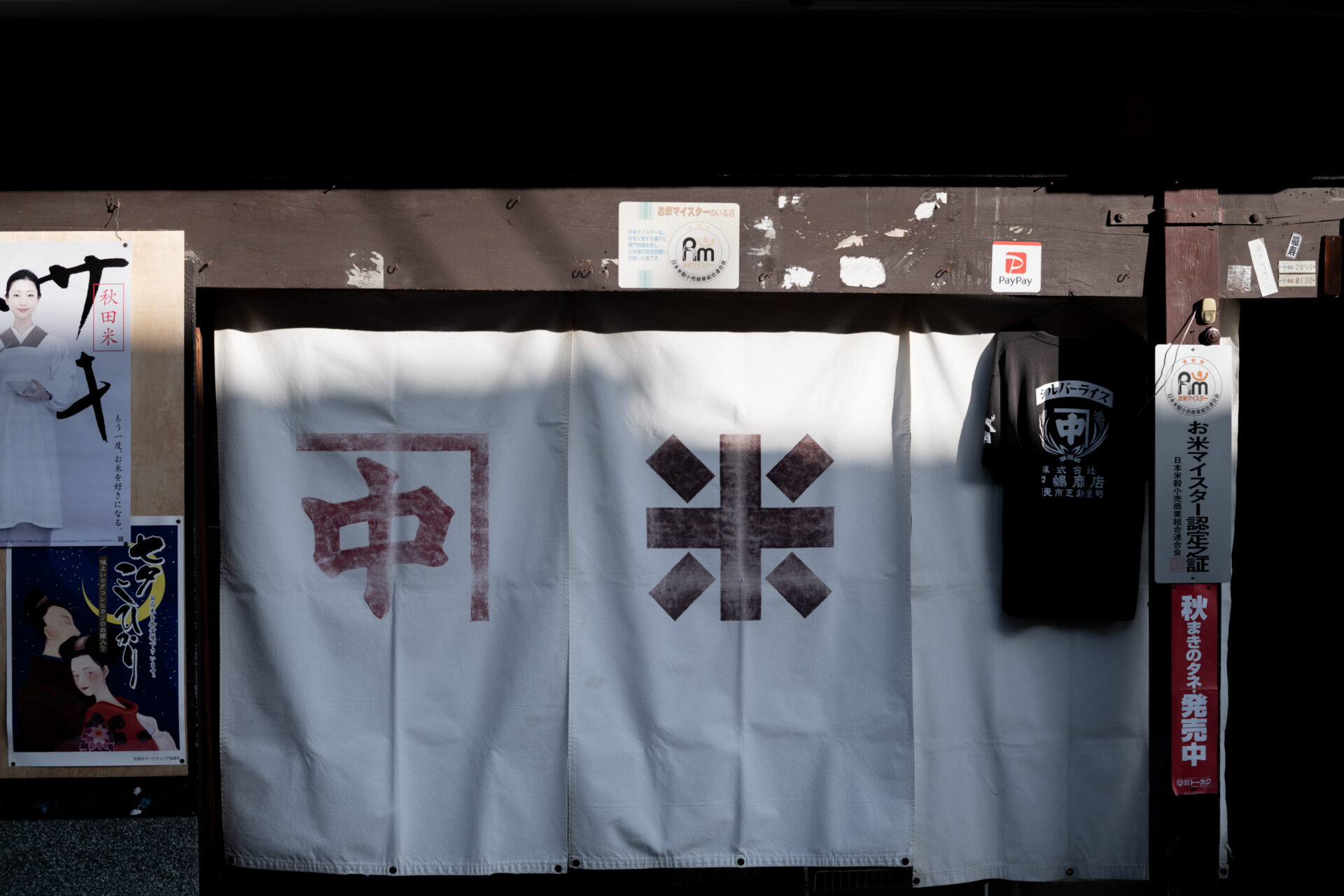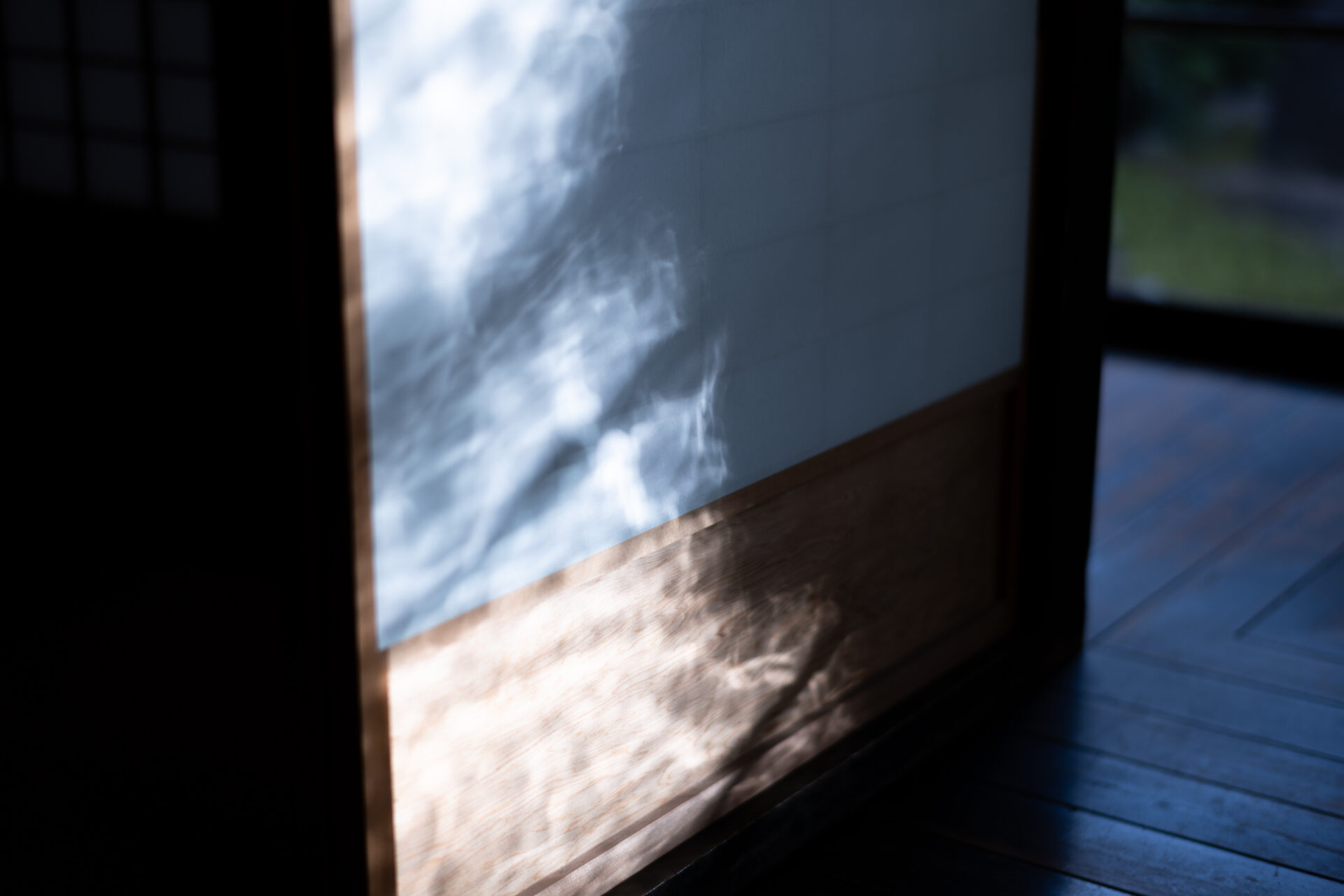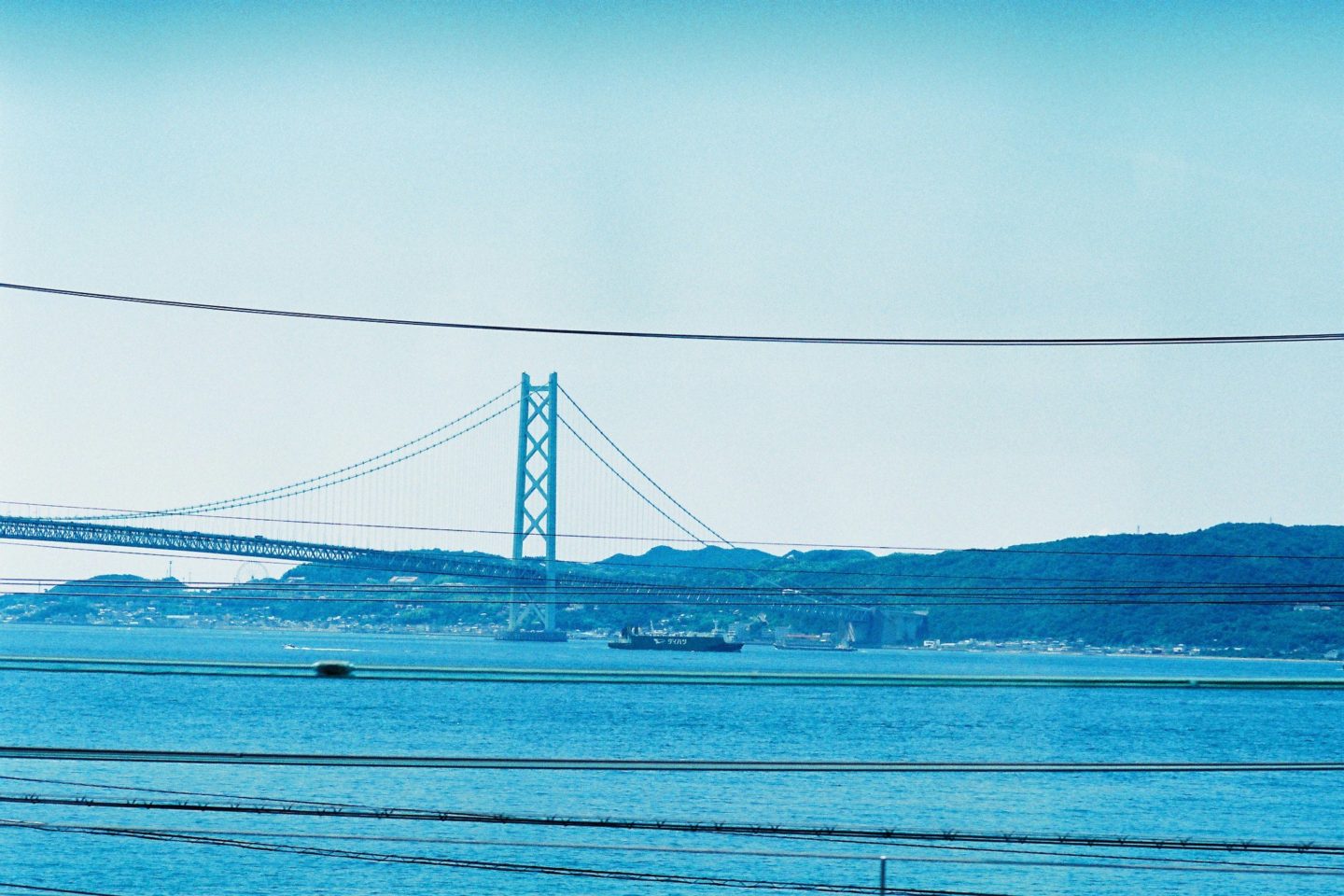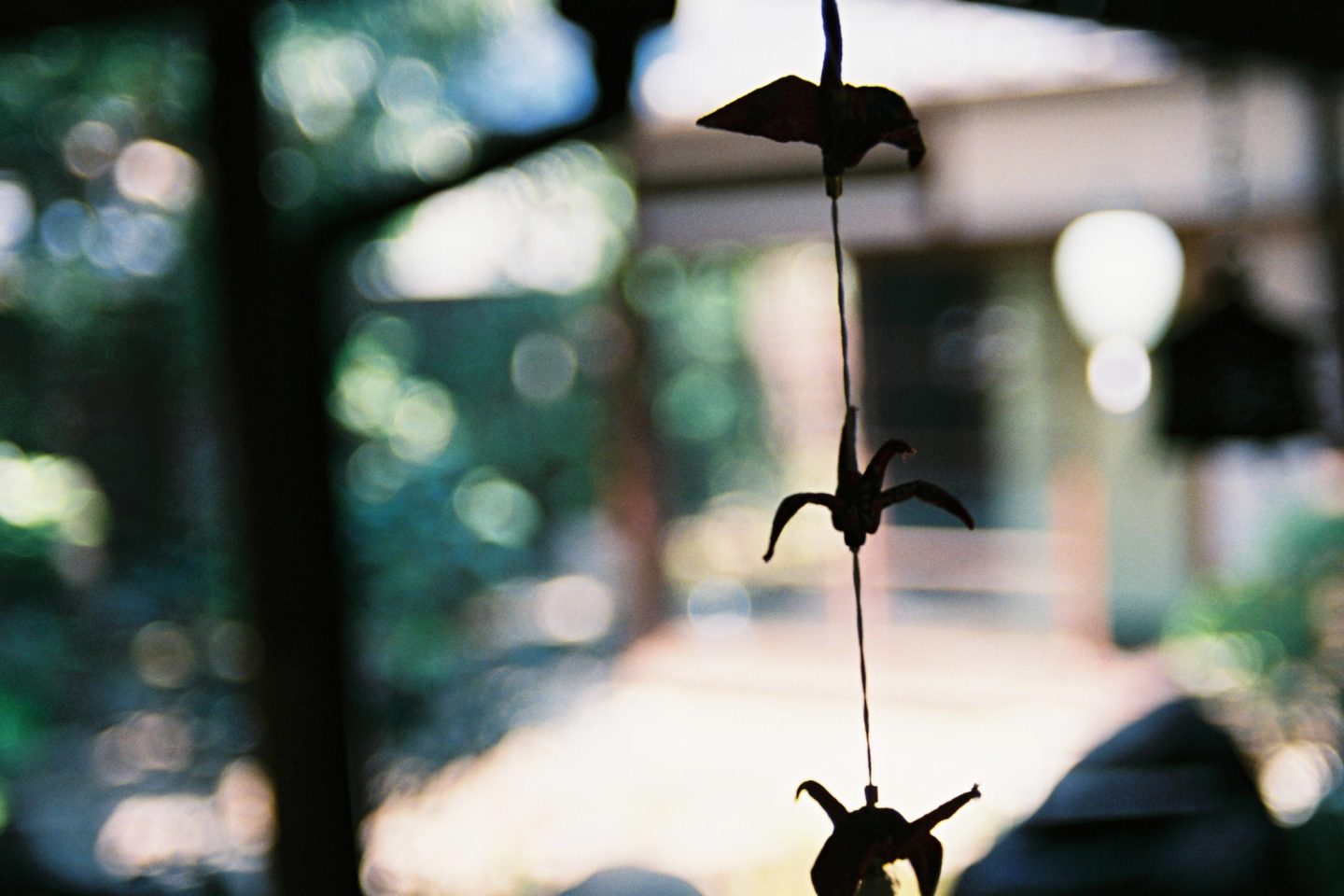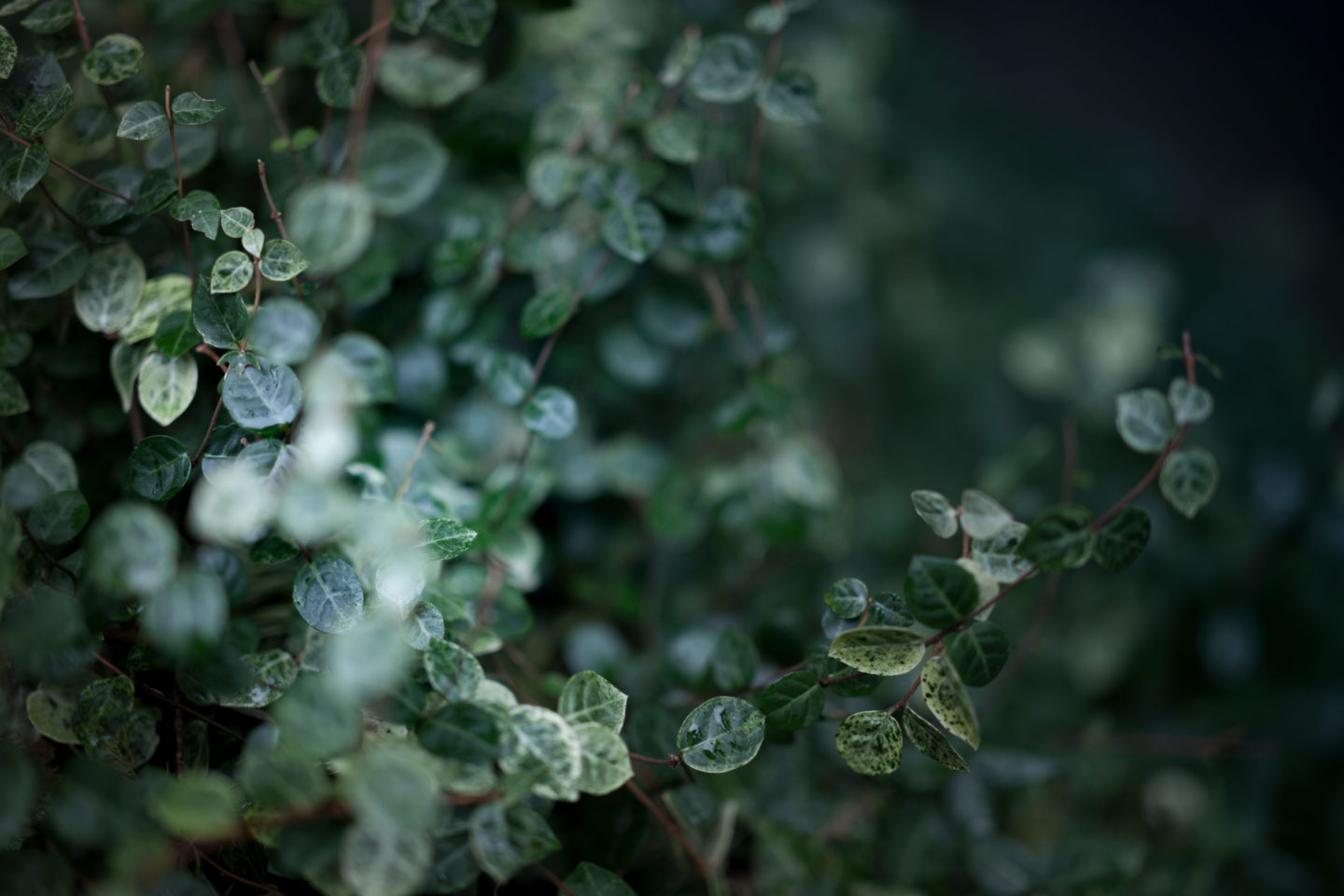
As I walked through the quiet alleys of Naramachi, I found myself drawn once more to the historic Nigiwai-no-Ie, a traditional Japanese house built over a century ago. On this particular morning, the light was shifting. It was no longer the harsh, cold glare of winter, but the gentle, whispered light of early spring, beginning to filter through the old lattice windows and onto the worn wooden floors.
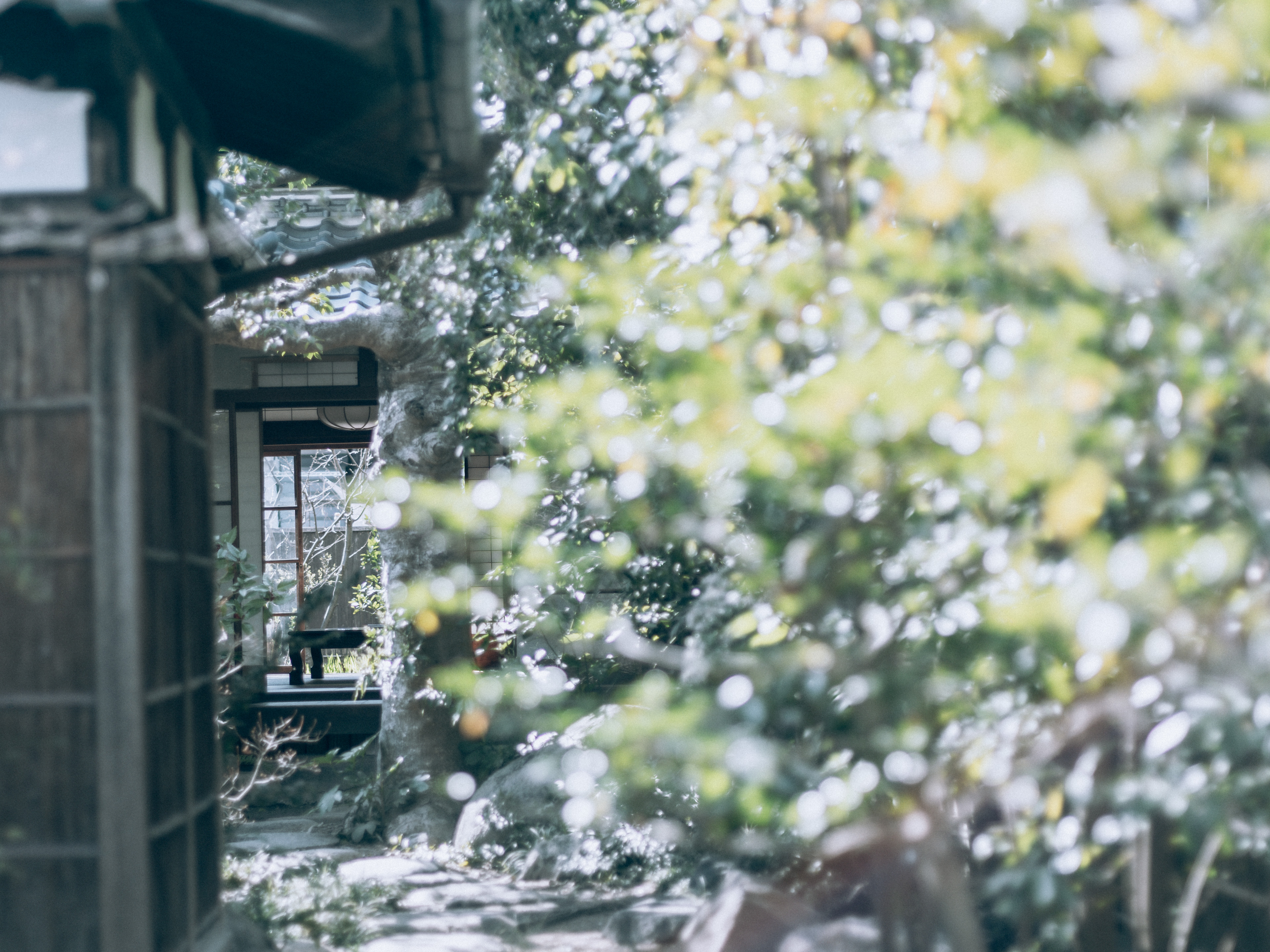
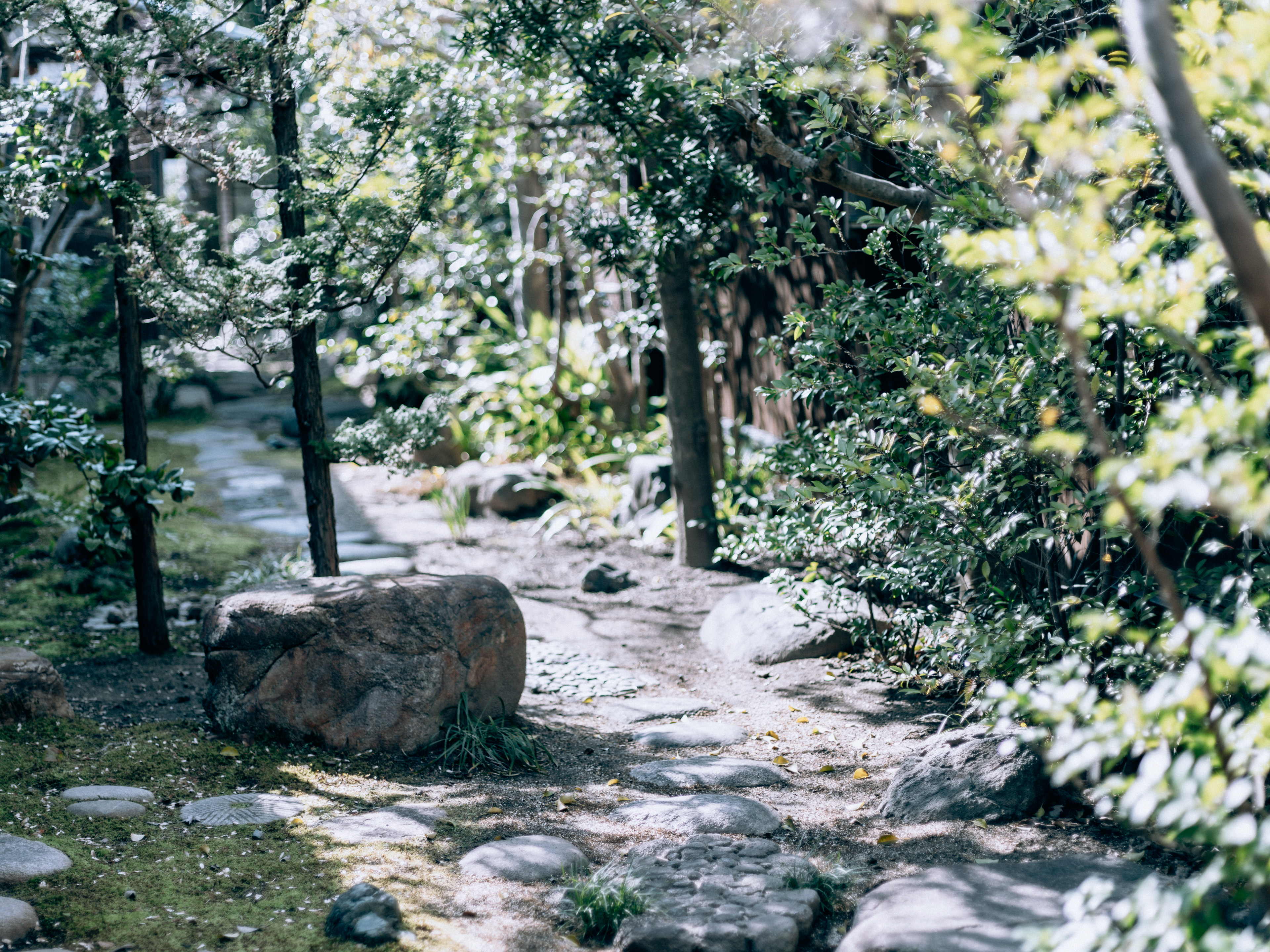

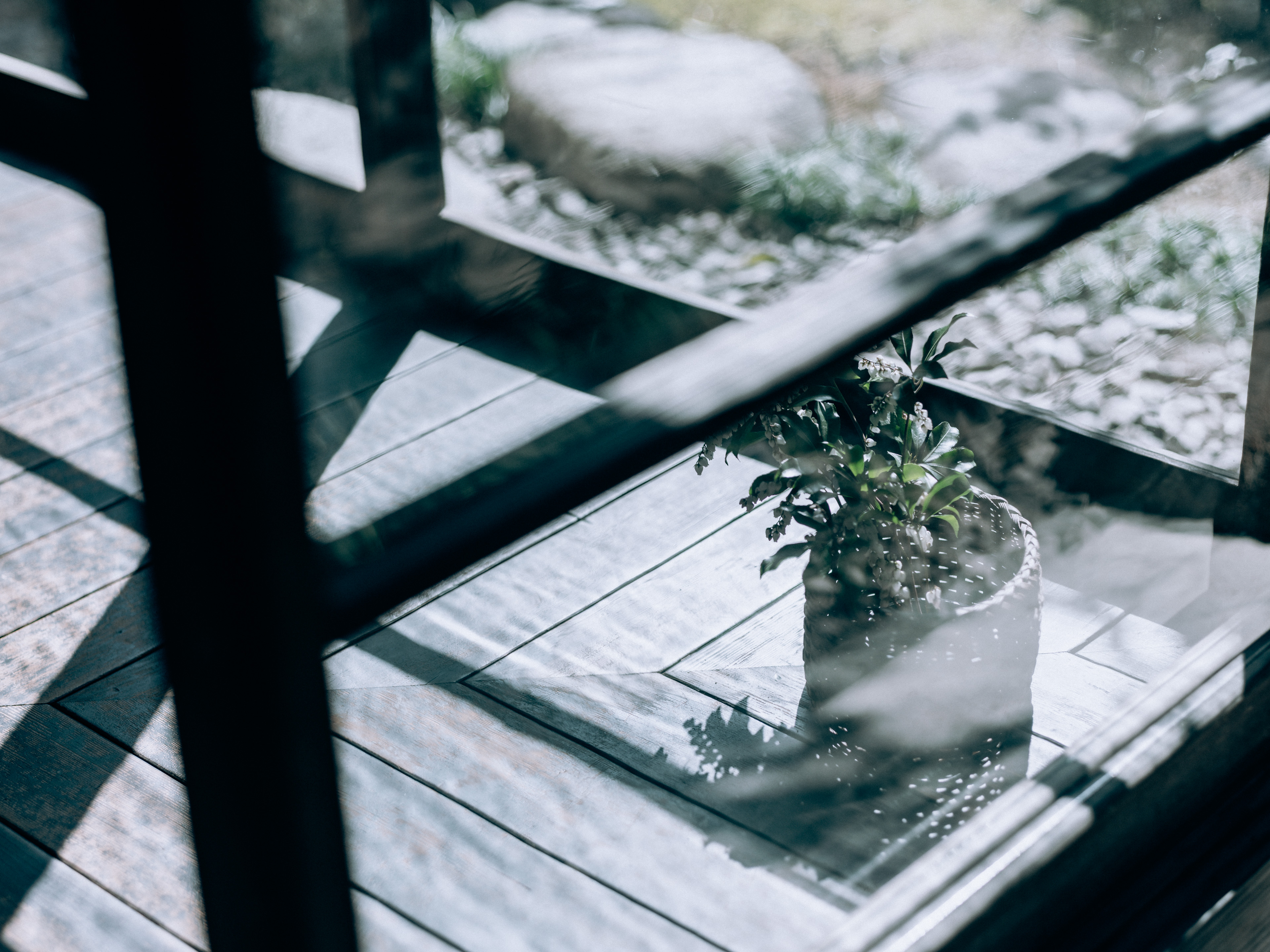
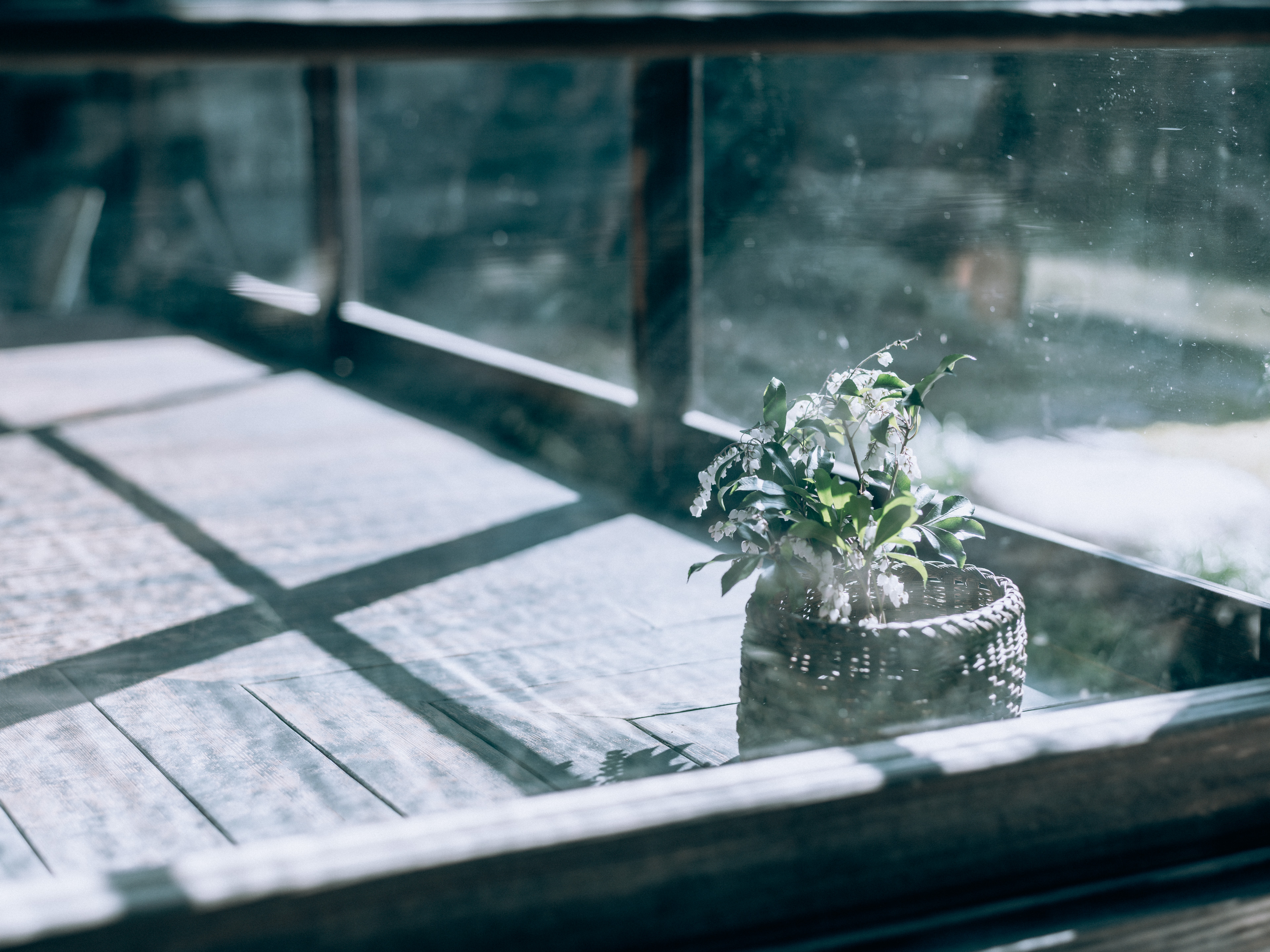
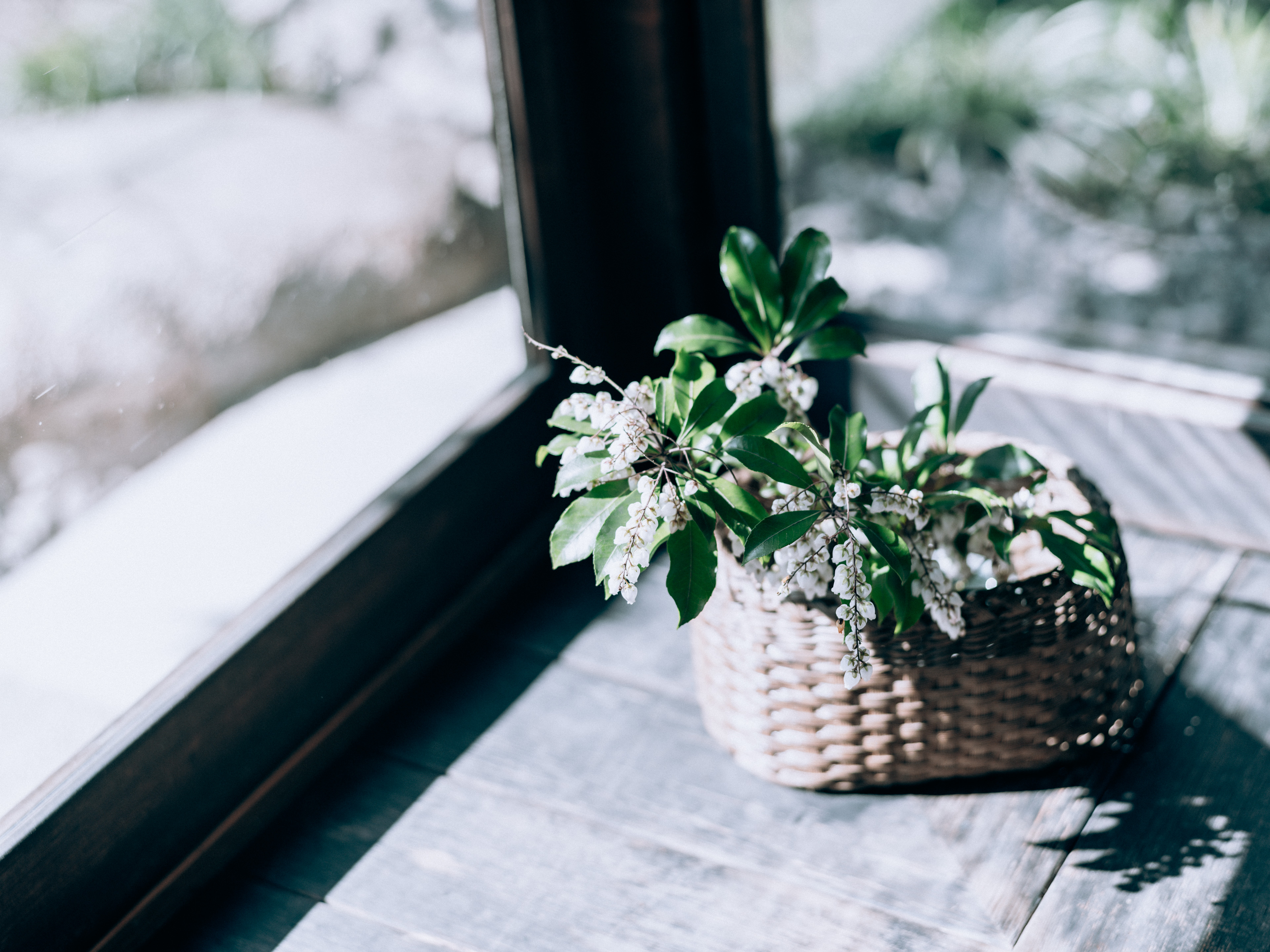
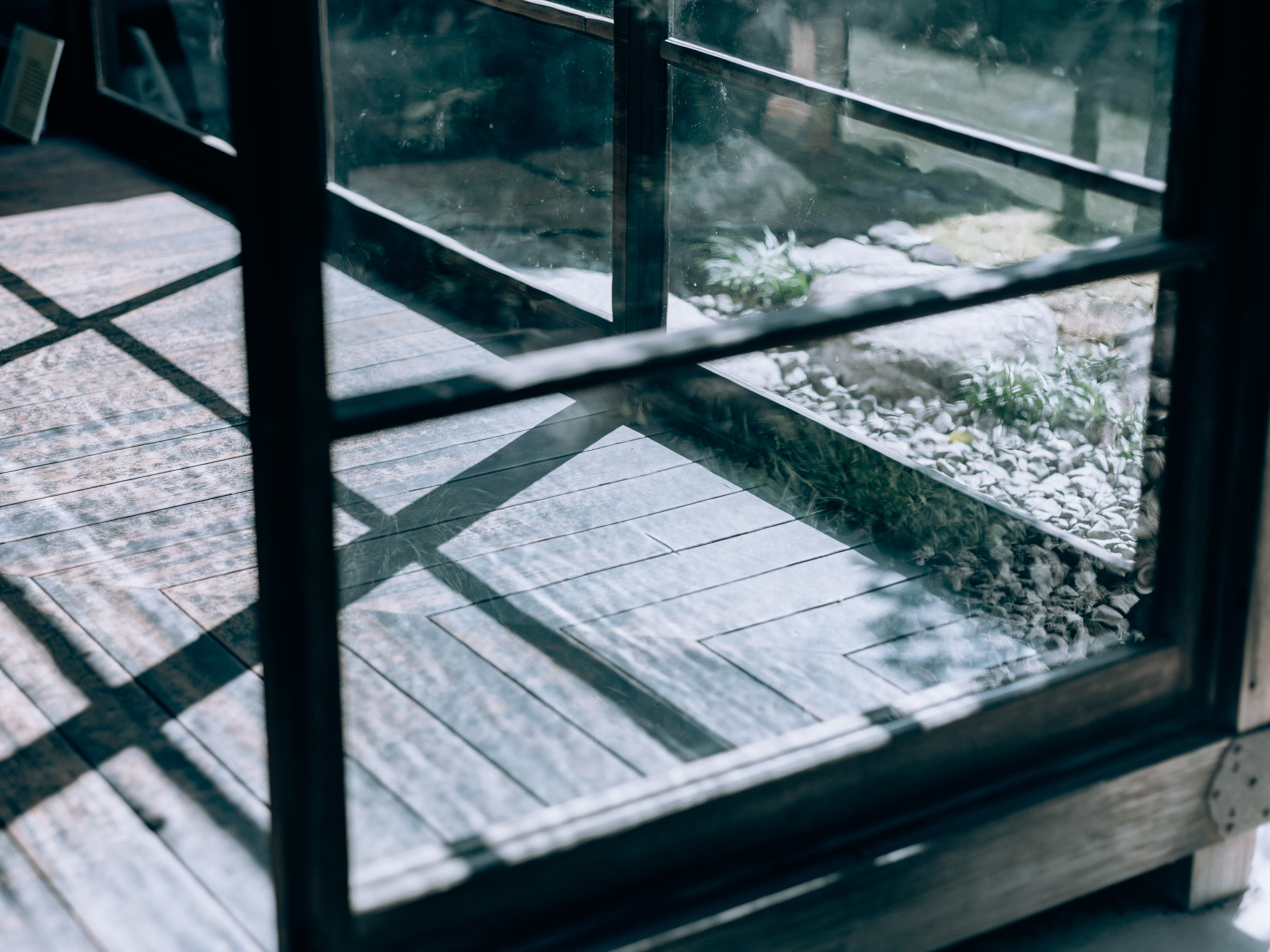
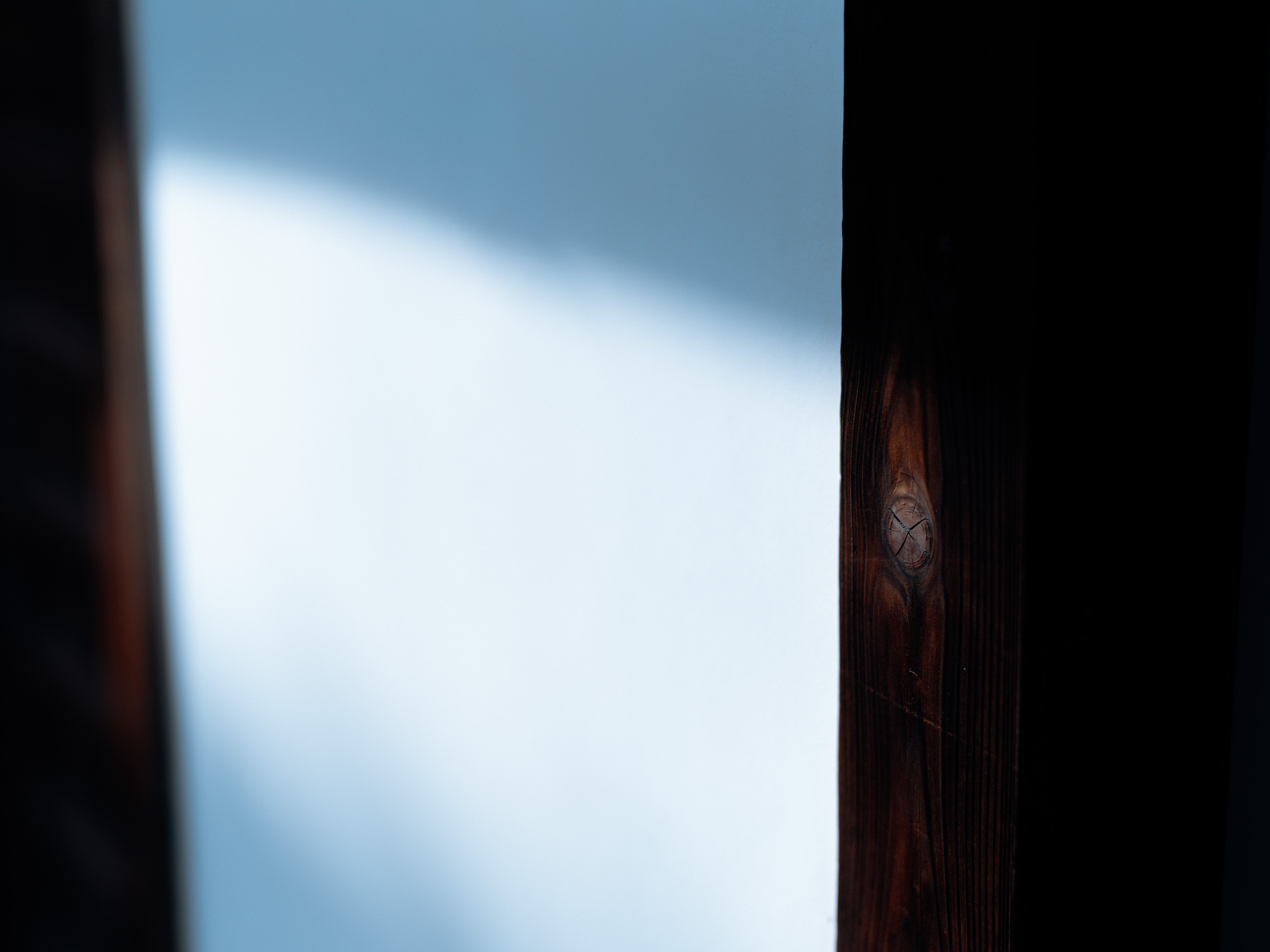
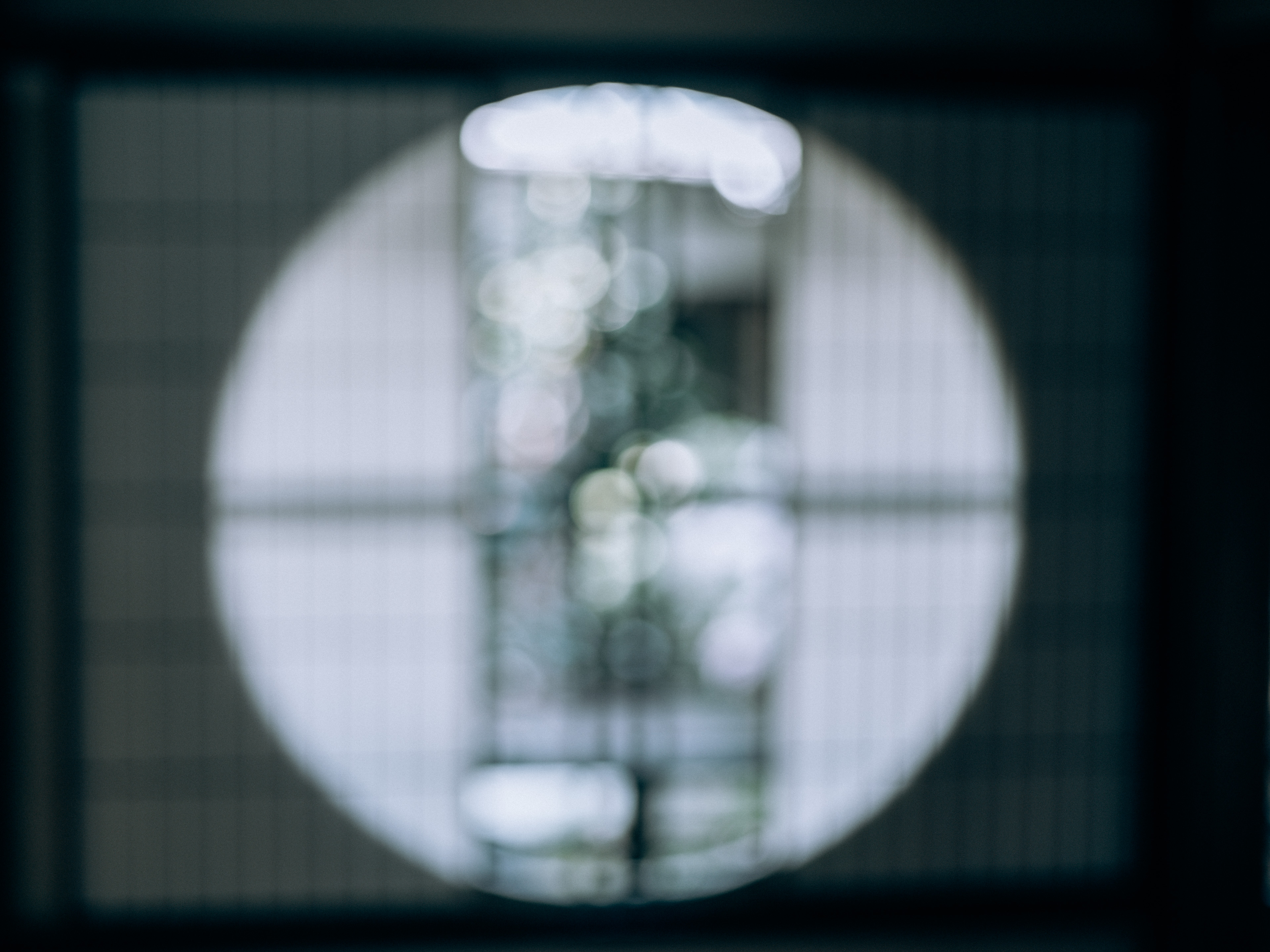
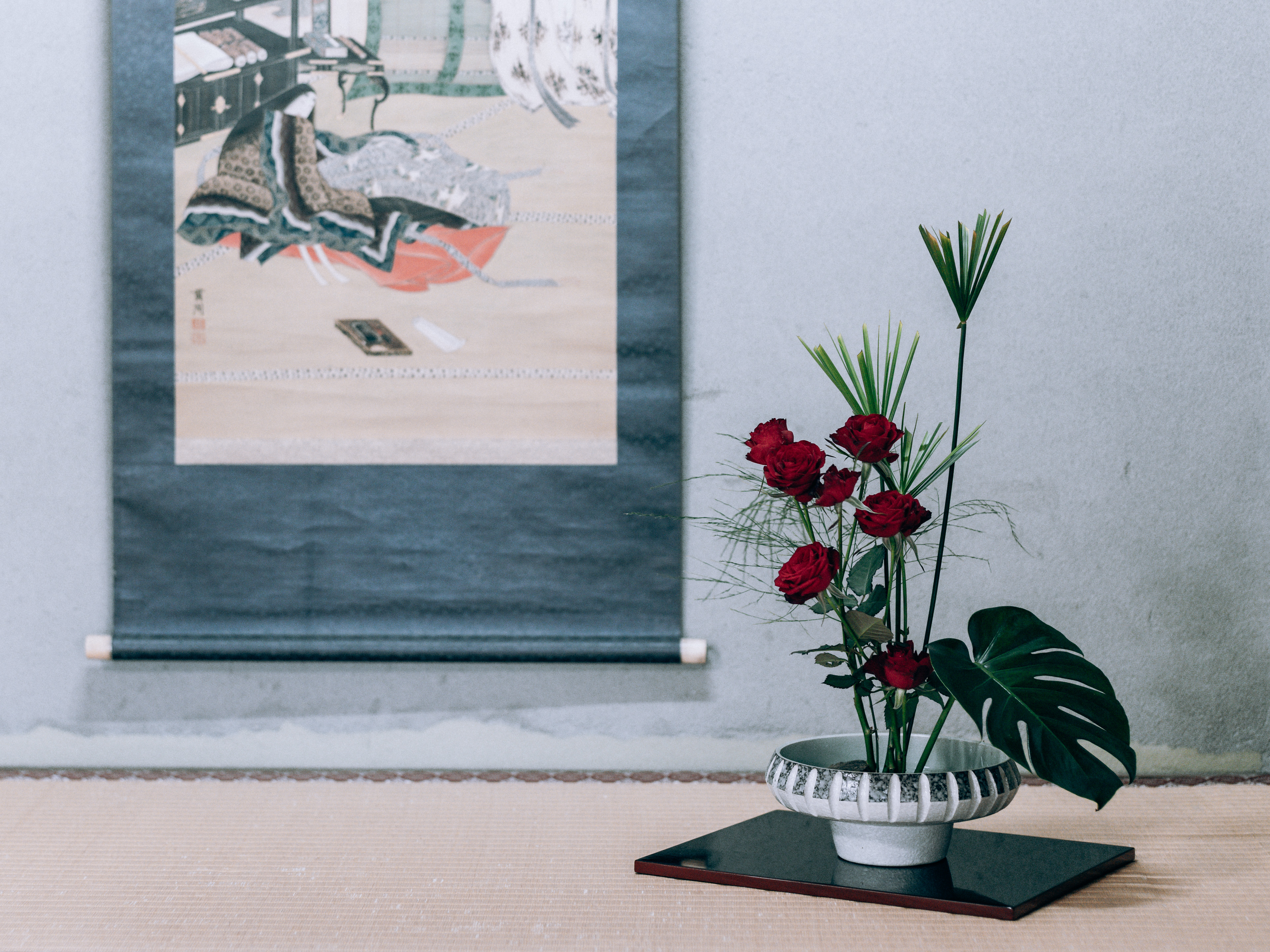
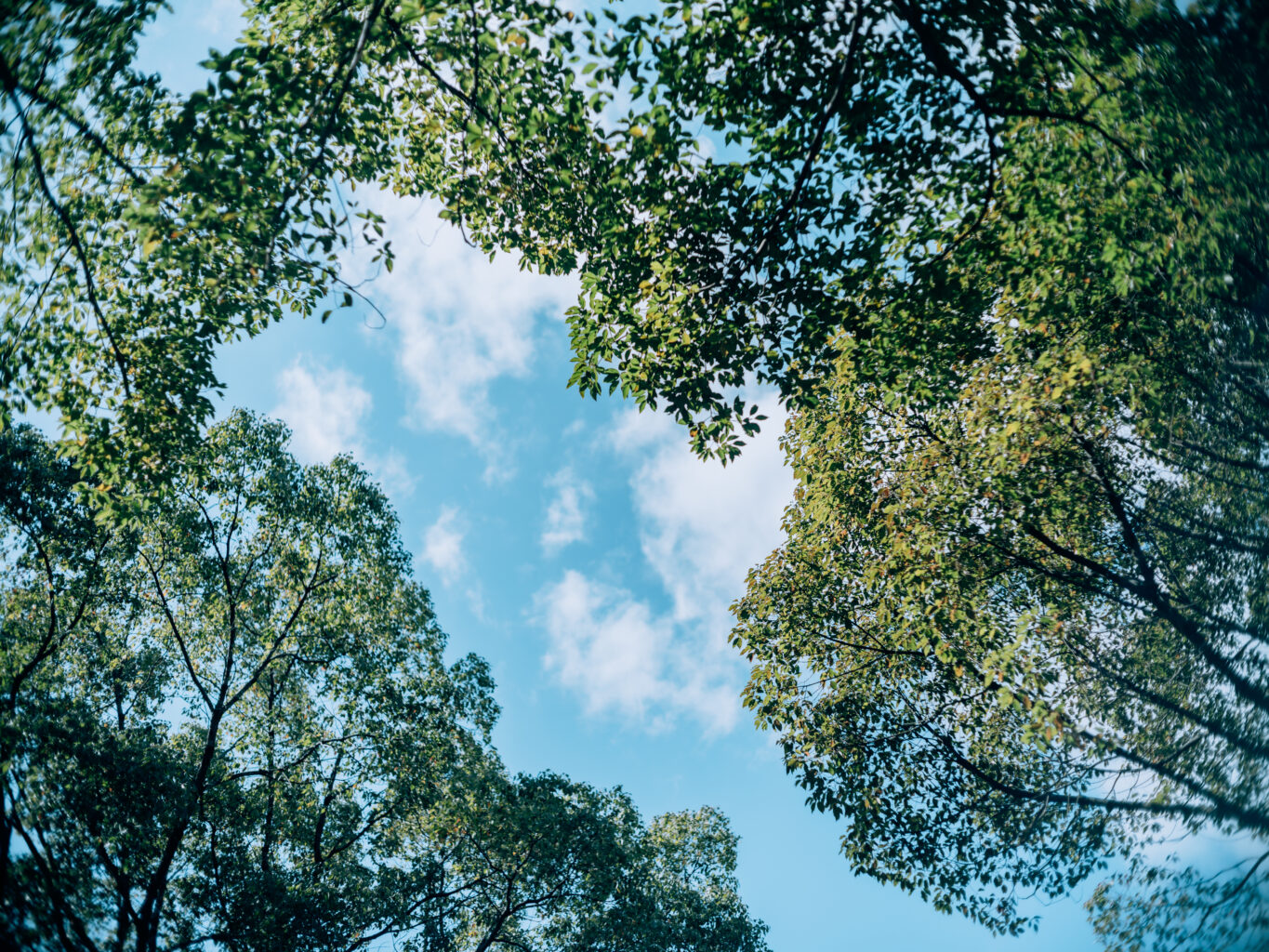
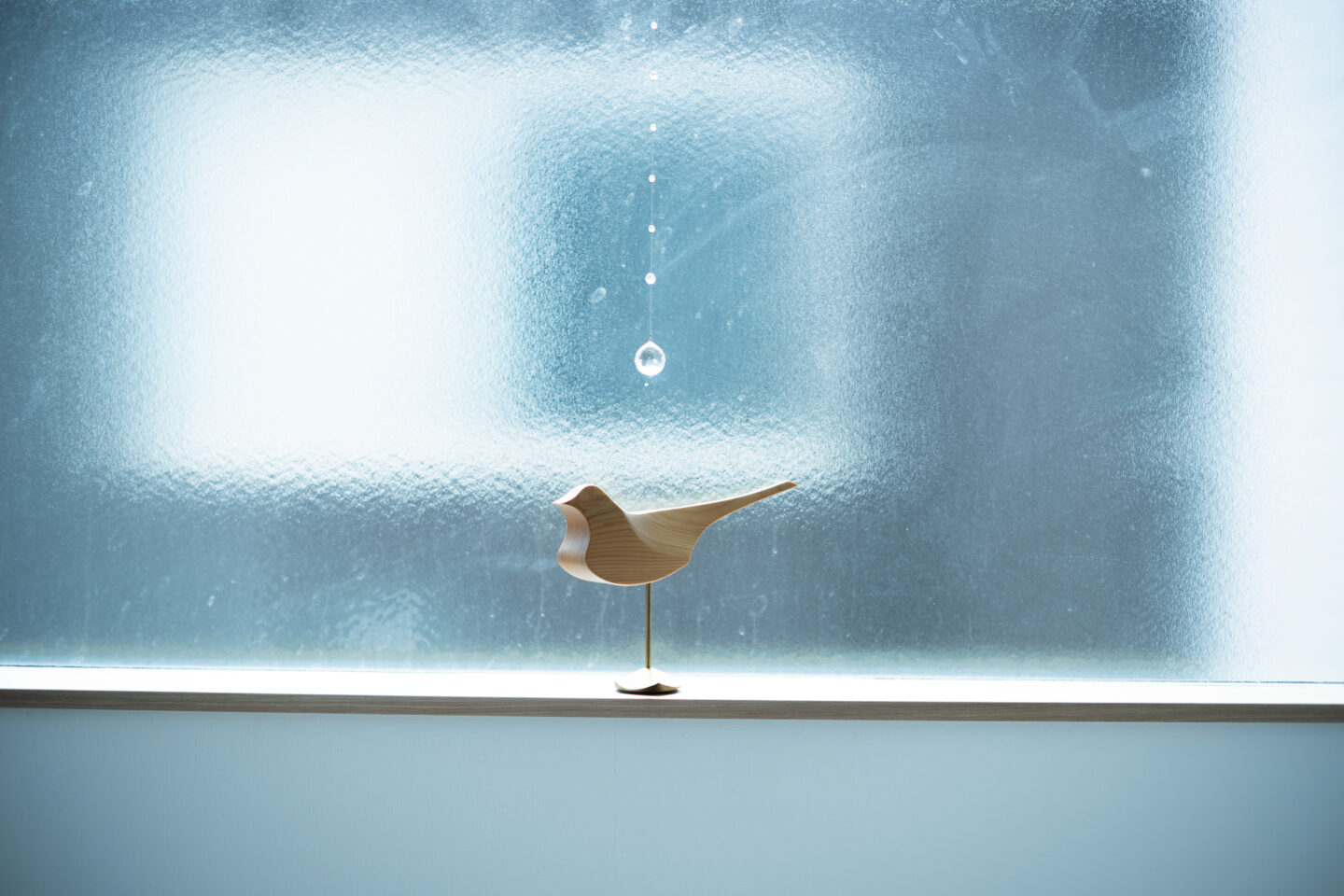
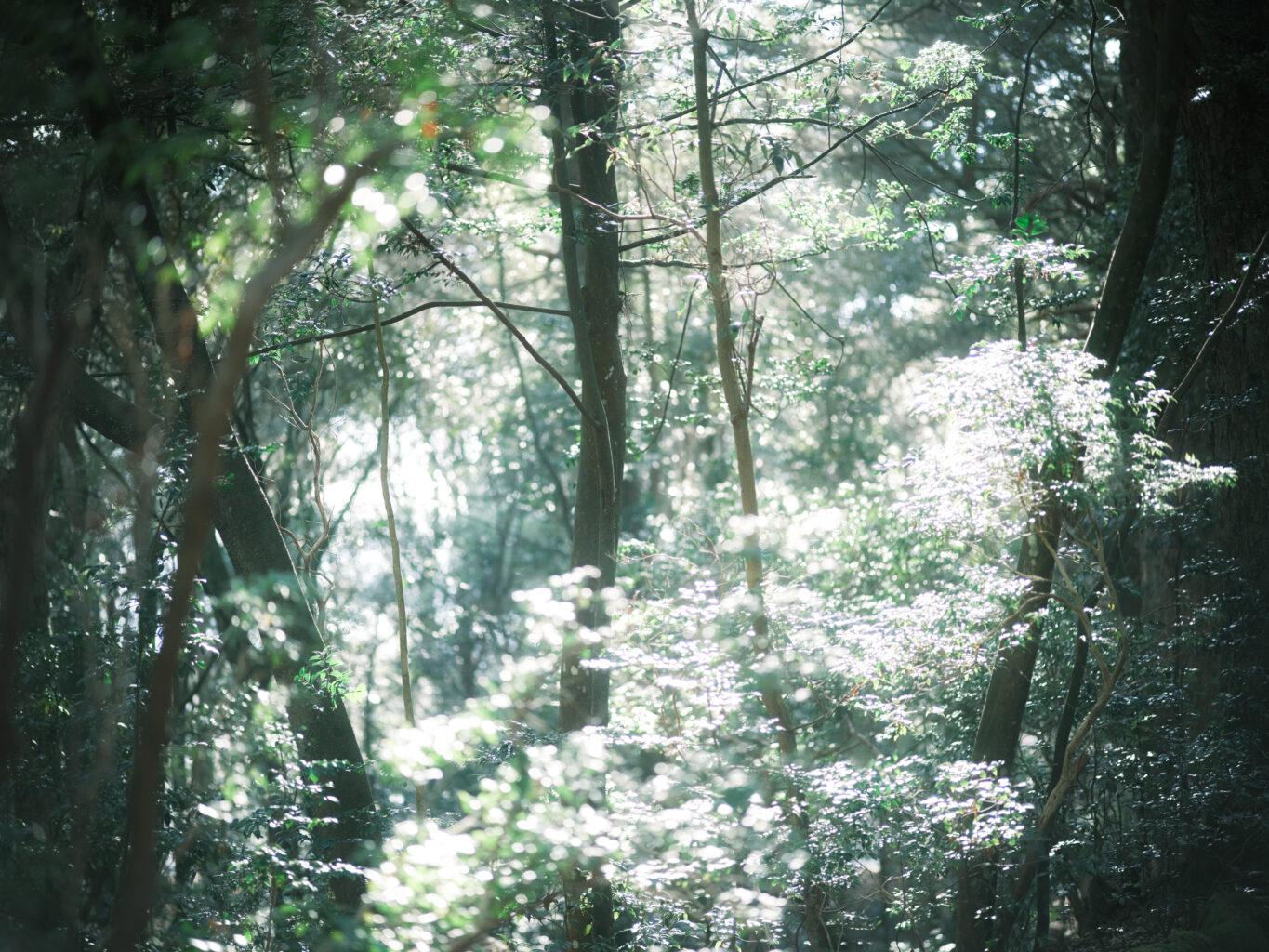
To capture the true essence of this delicate transition, I chose to use the Fujifilm GFX 50S II with the Mamiya 80mm f/1.9 lens. The GFX’s large format sensor provided an extraordinary dynamic range, allowing me to preserve the textures of the old wood and the soft highlights of the komorebi—the sun filtering through the garden’s leaves—without sacrificing any of the intricate details.
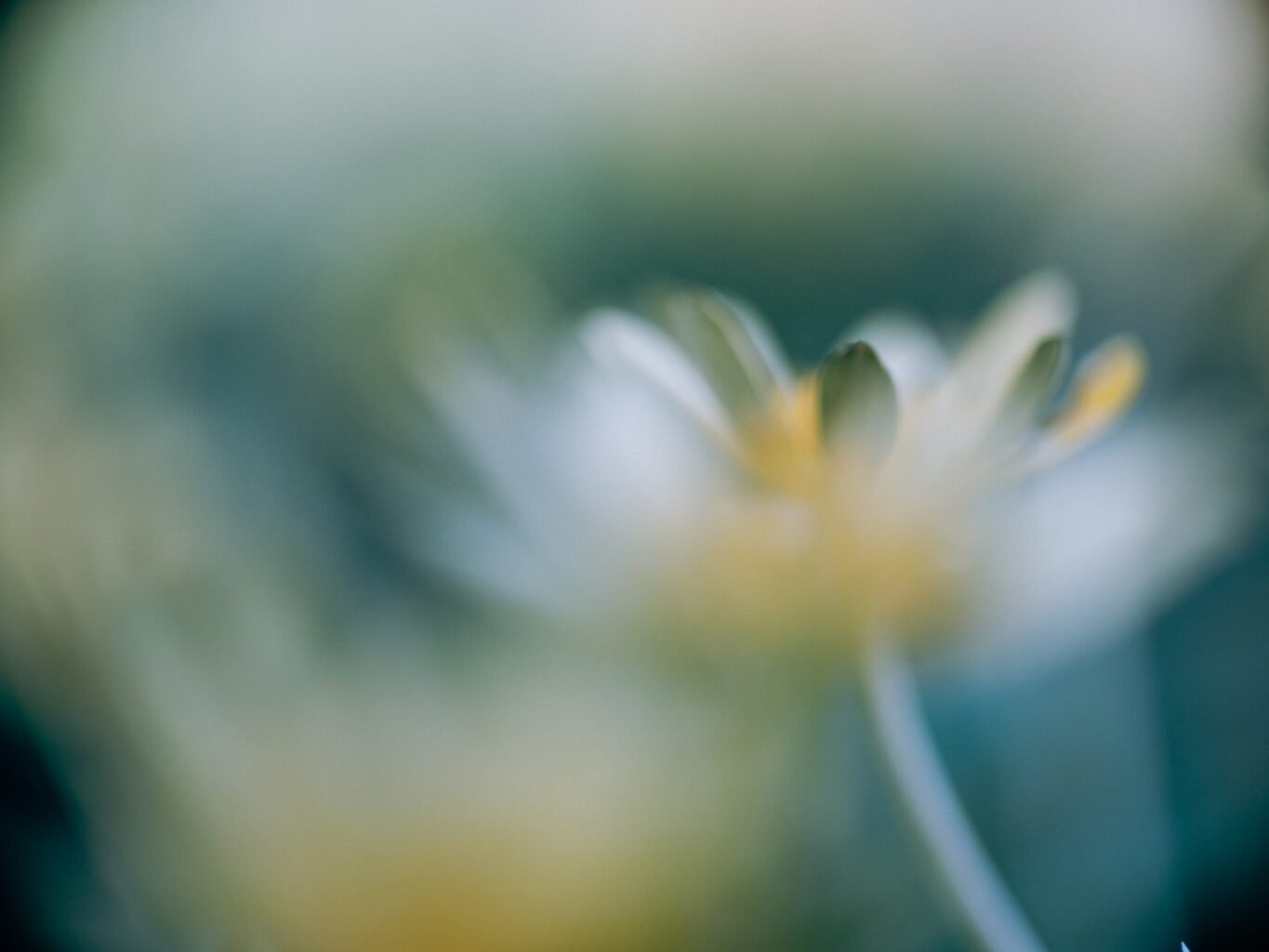
From the perspective of a certified HCD Specialist (Human Centered Design), these photos are more than mere visual documents. They are a design for tranquility. The precise, structured compositions work in harmony with the natural, organic elements, creating a visual rest for the eye. The shallow depth of field (shallow DoF), provided by the wide f/1.9 aperture of the vintage lens, further isolates the subject, bringing the viewer into a state of focused presence. This is an intentional design, utilizing a “jewel-like” clarity to evoke a subconscious feeling of biological well-being and visual sanctuary.
This collection is a humble reflection on the beauty that lies in the silent interactions between architecture, light, and nature. It is my hope that these images bring a moment of old Nara’s peace to your workspace, a digital window into a more mindful rhythm of life.