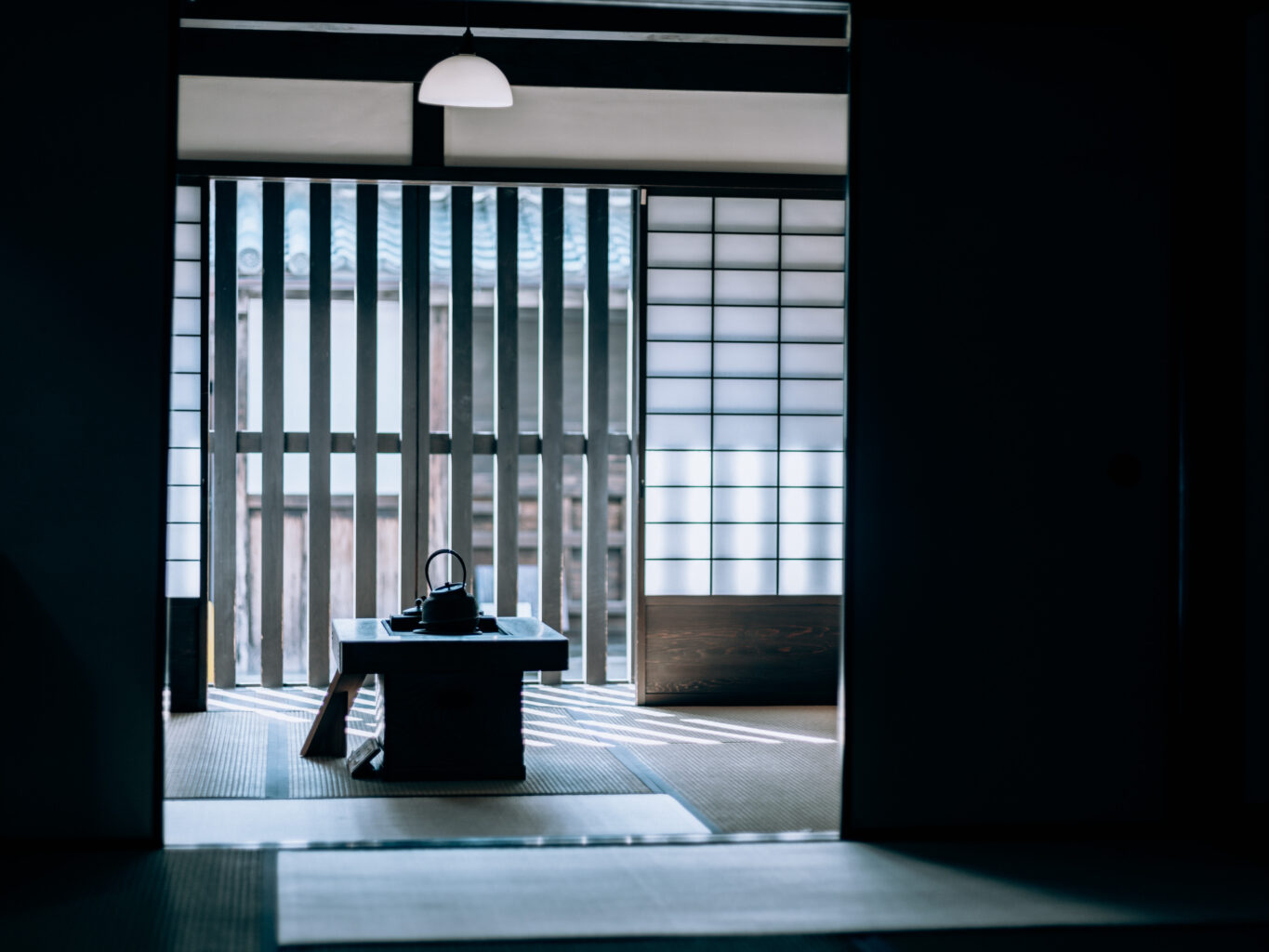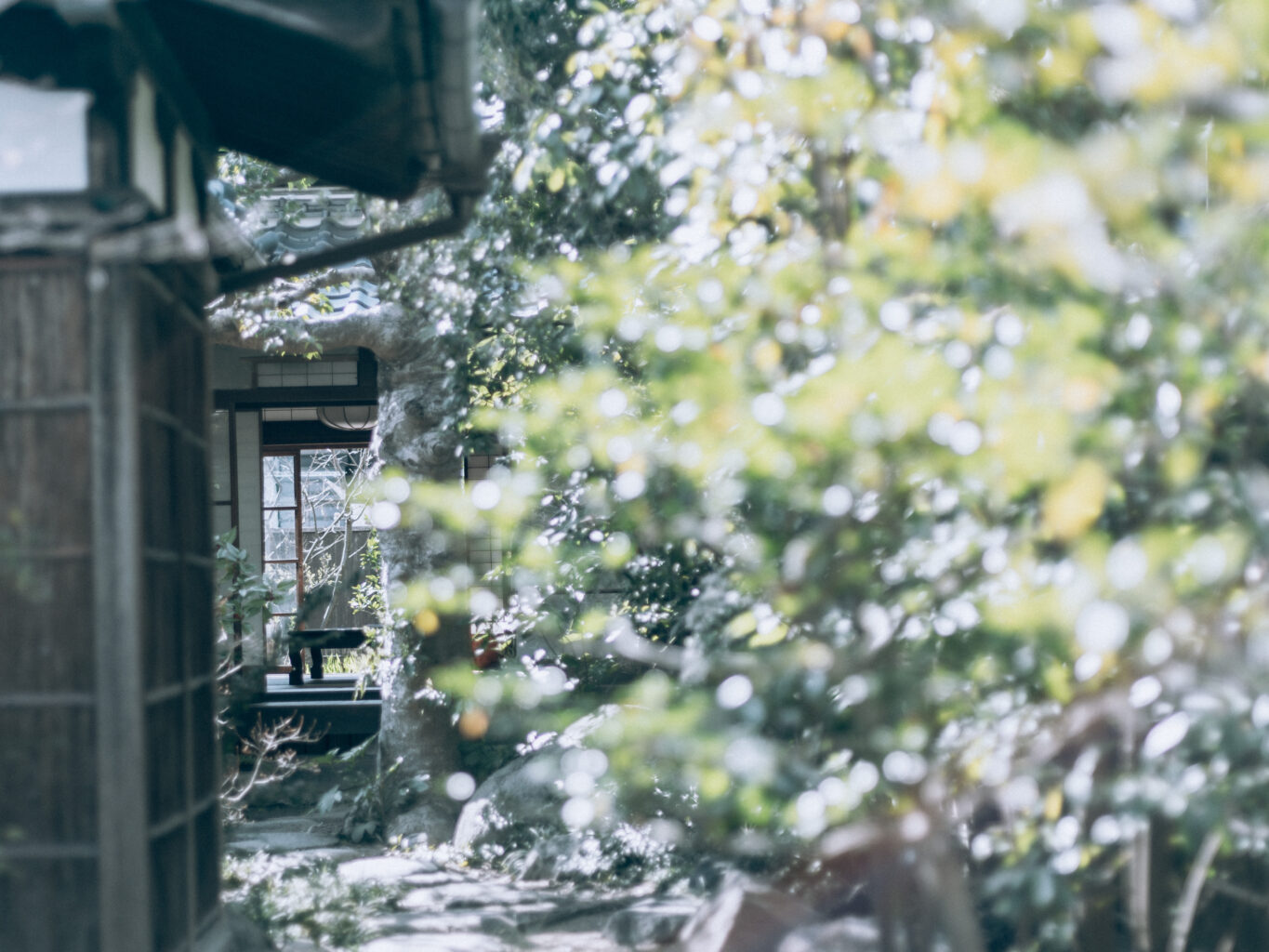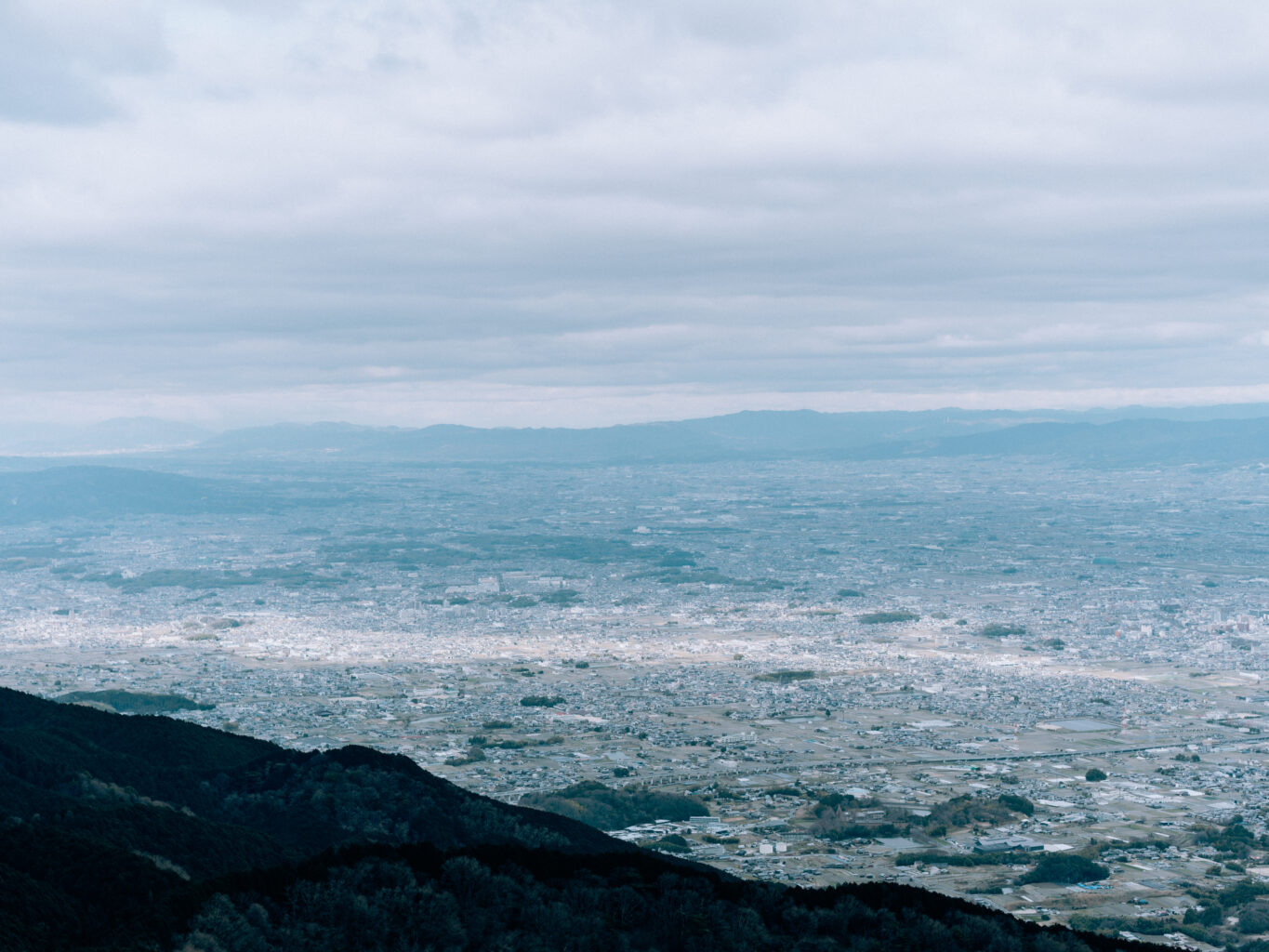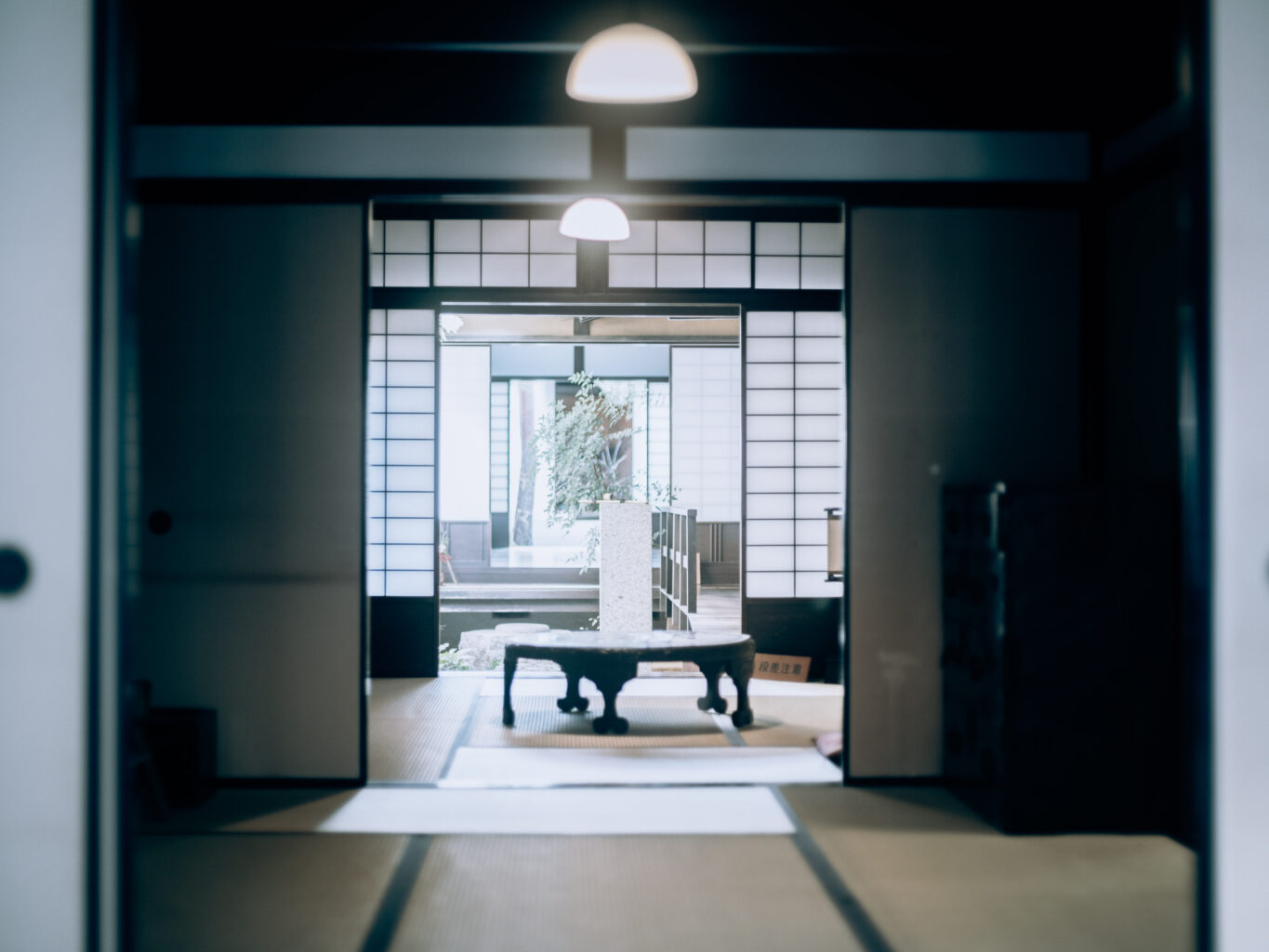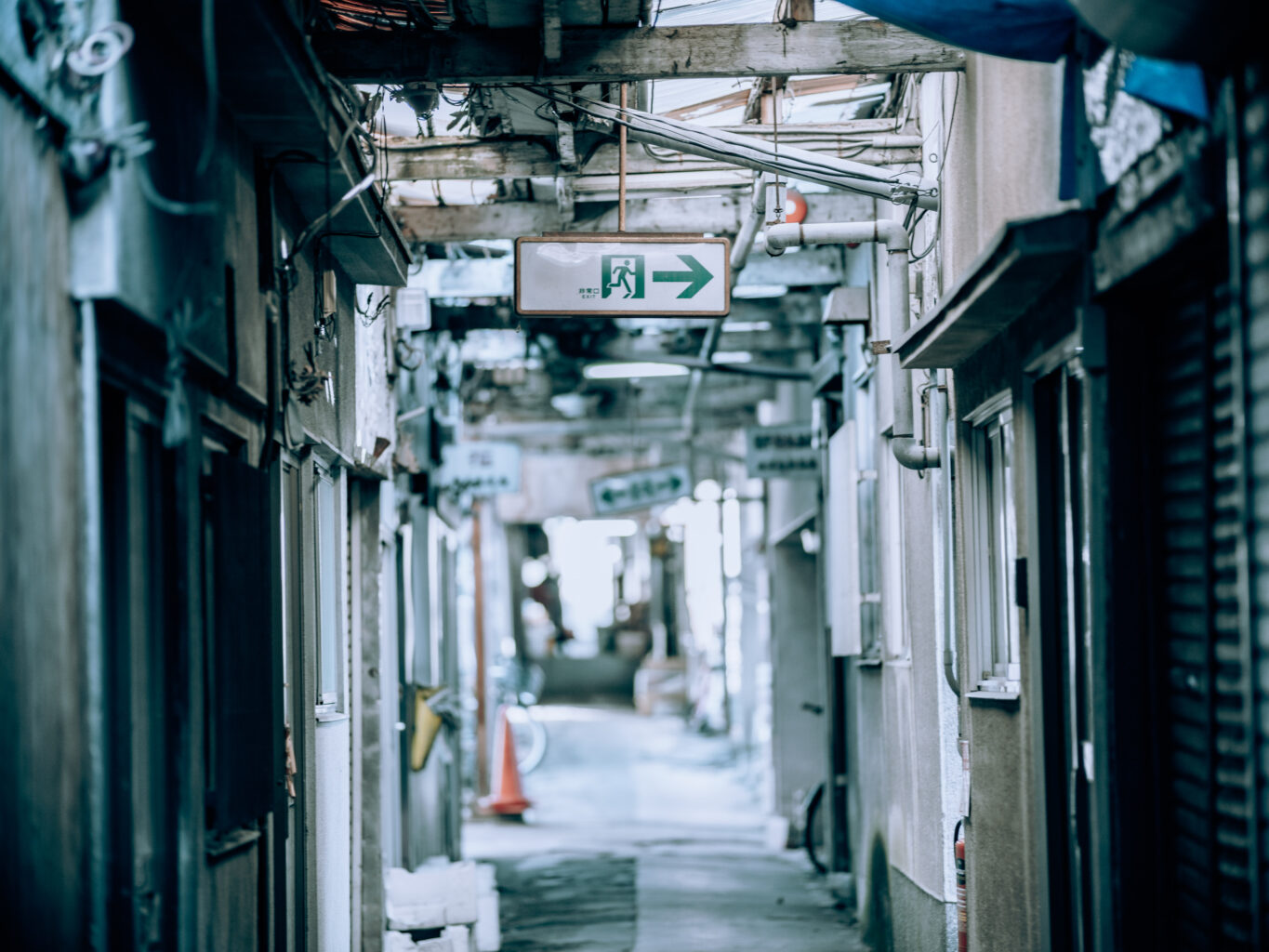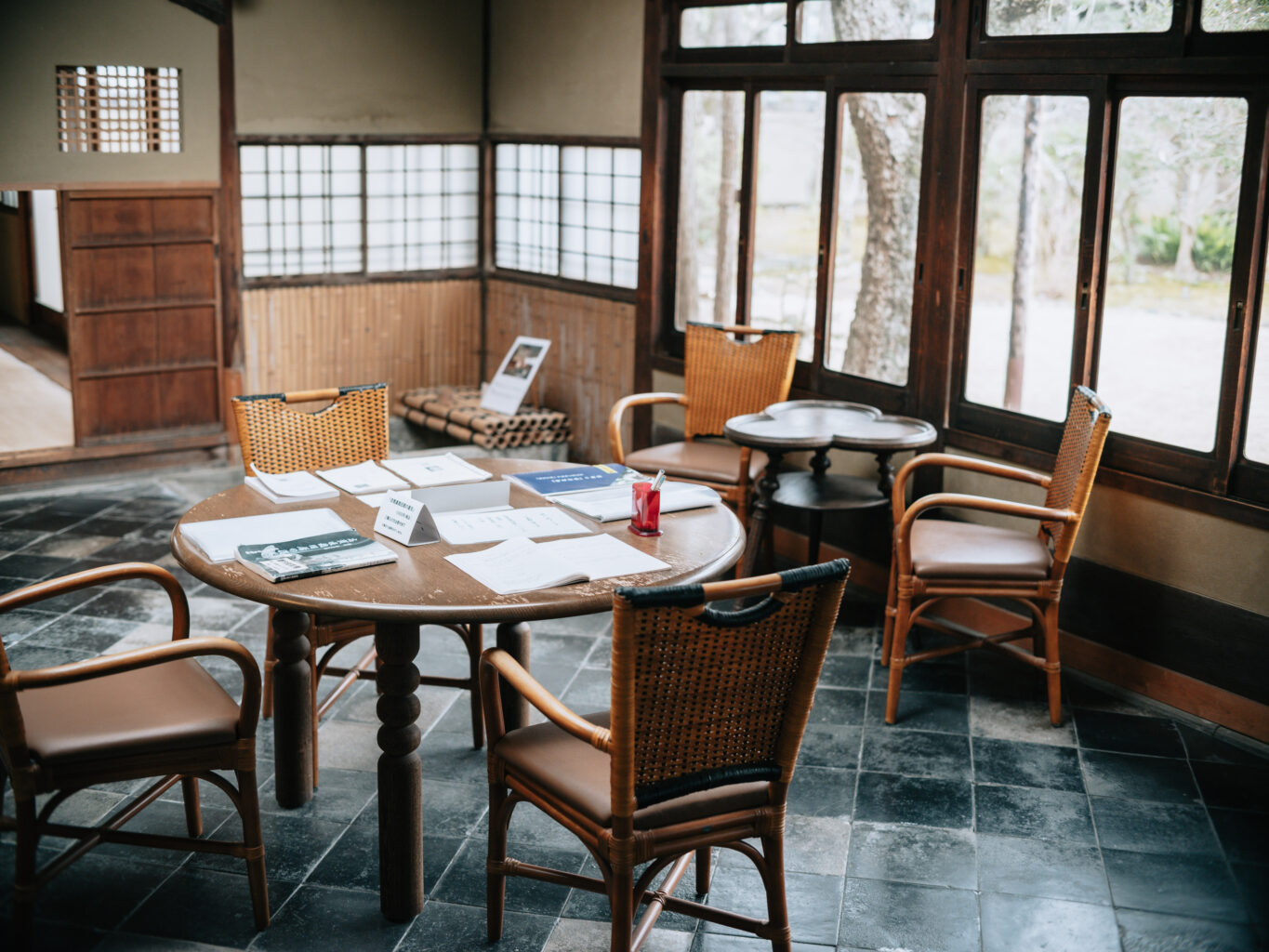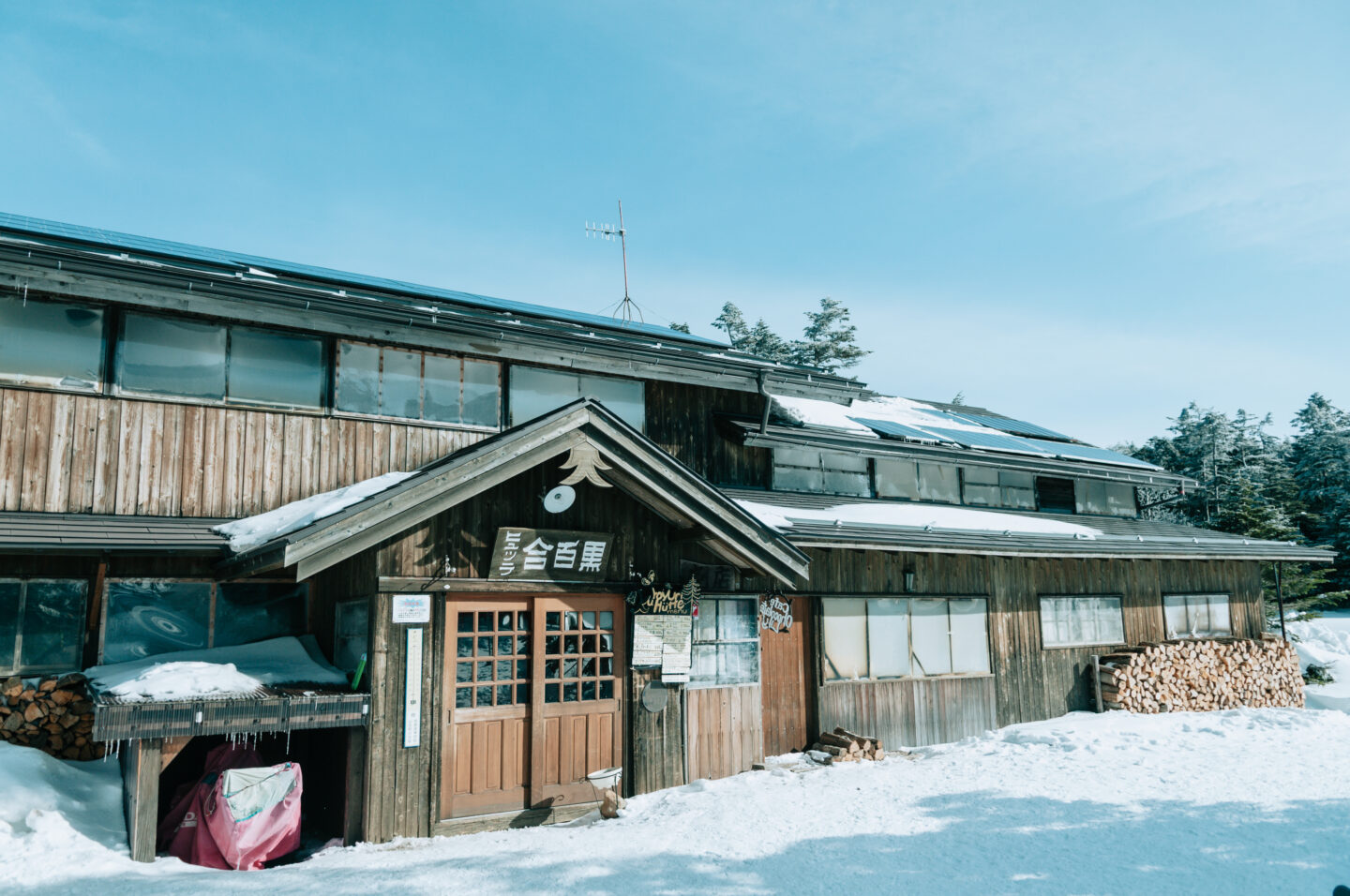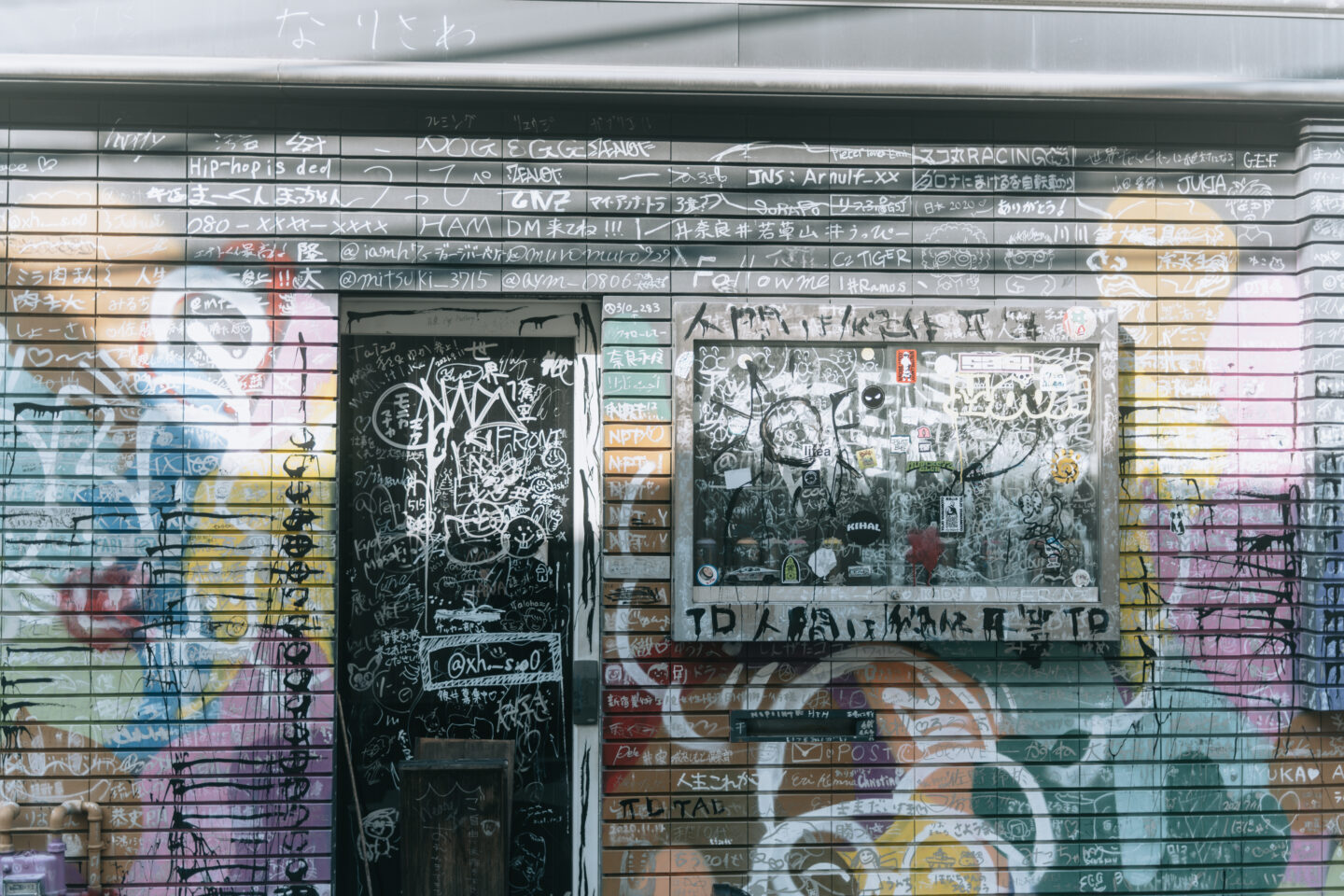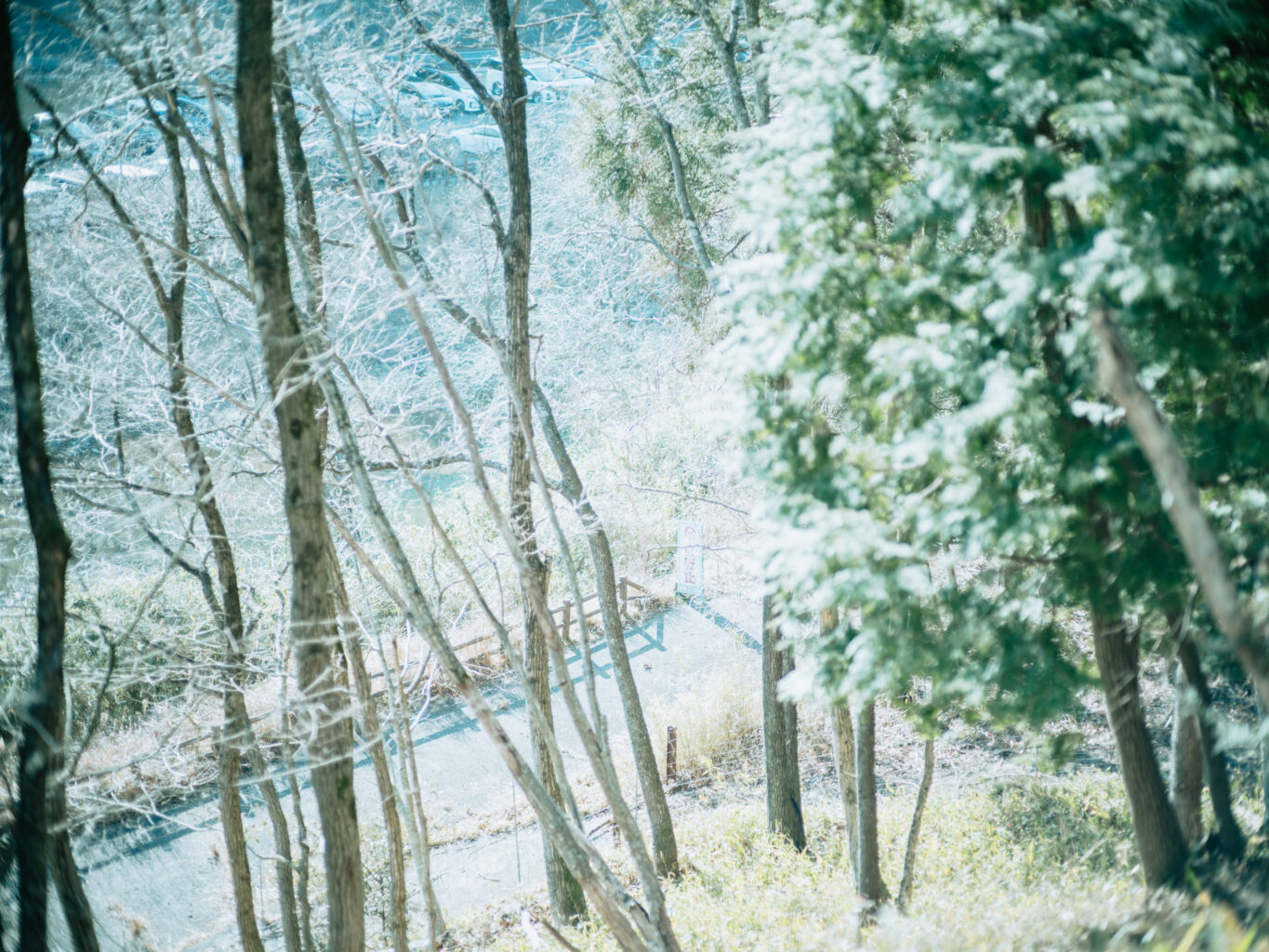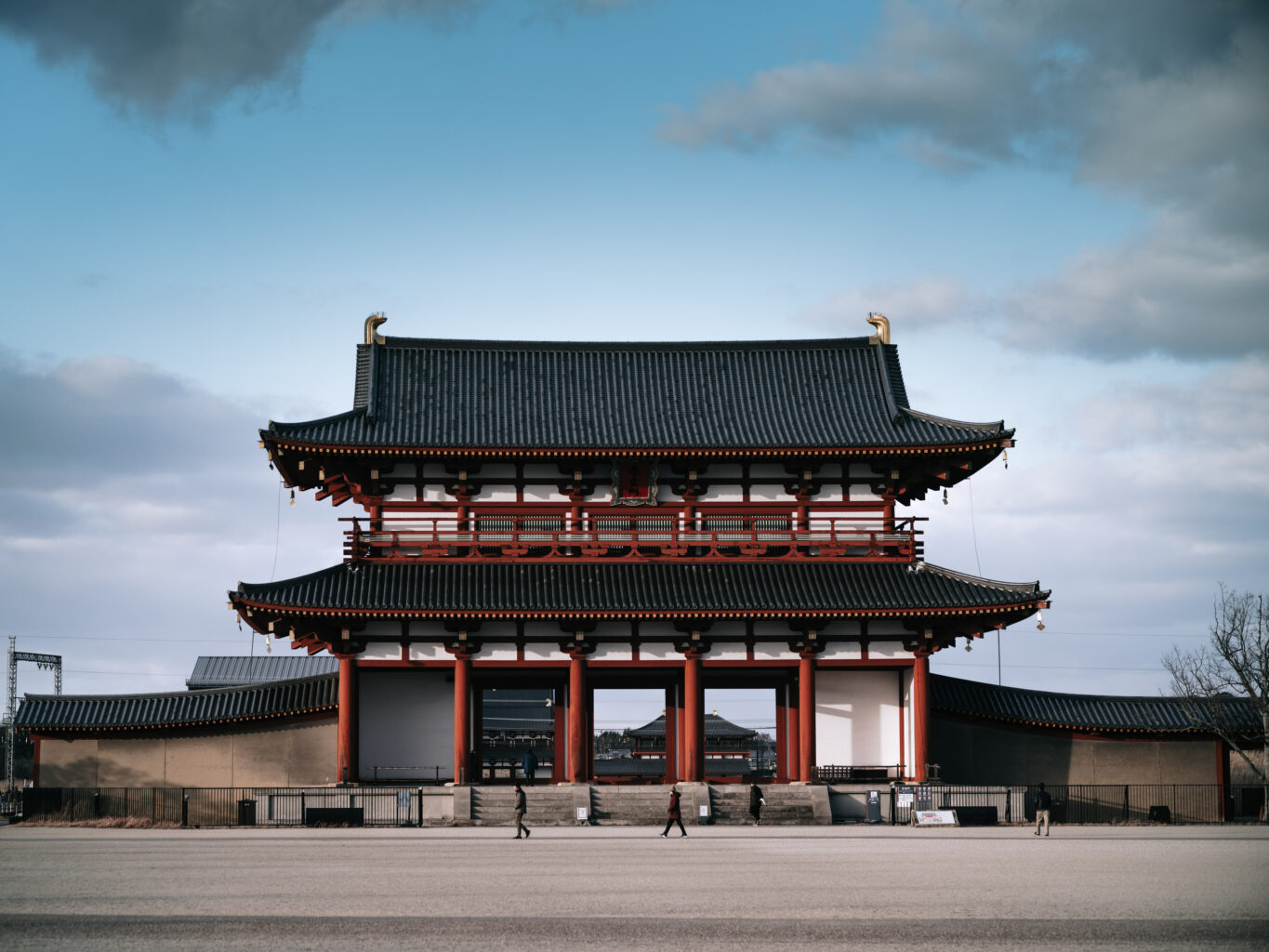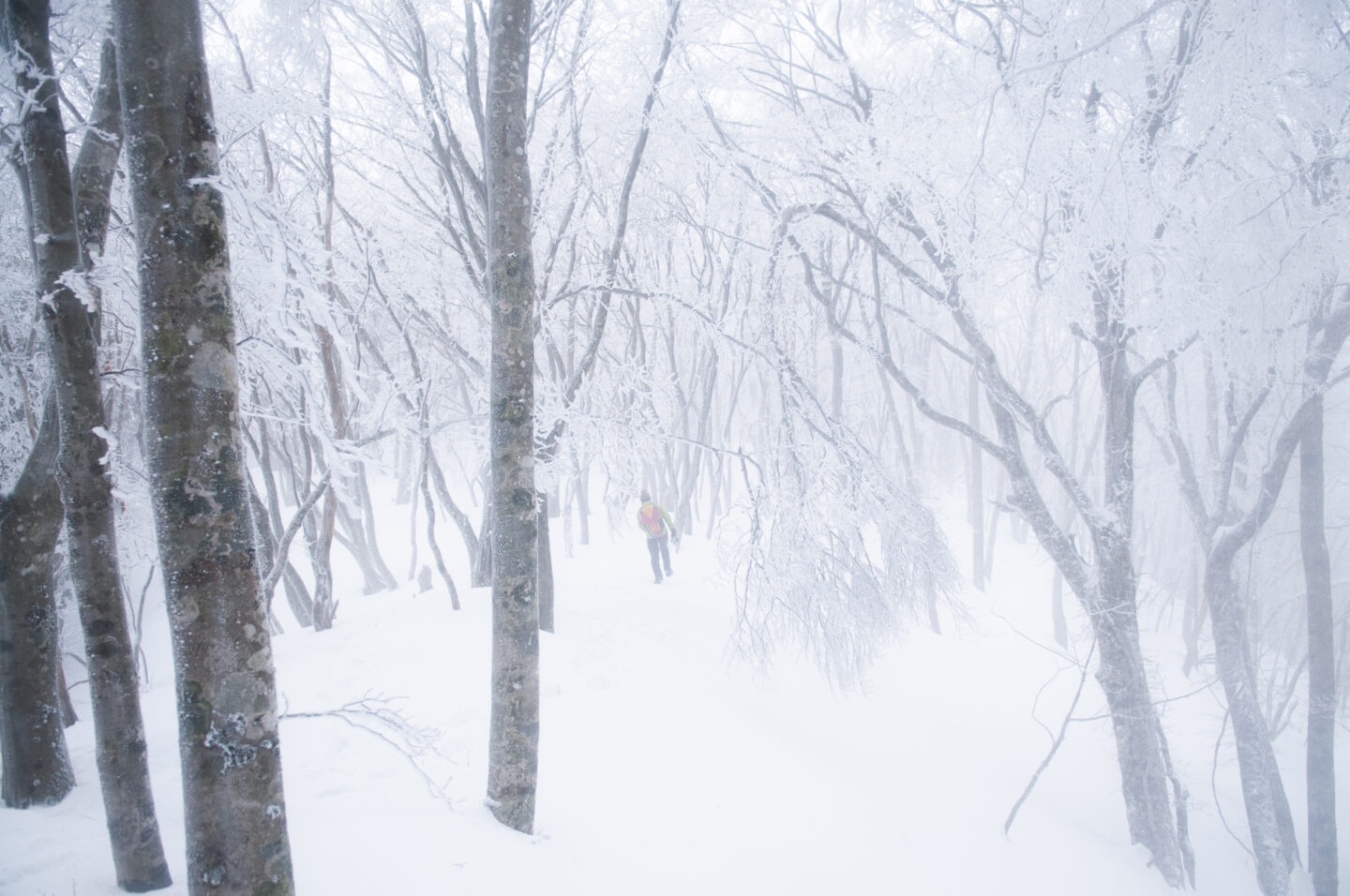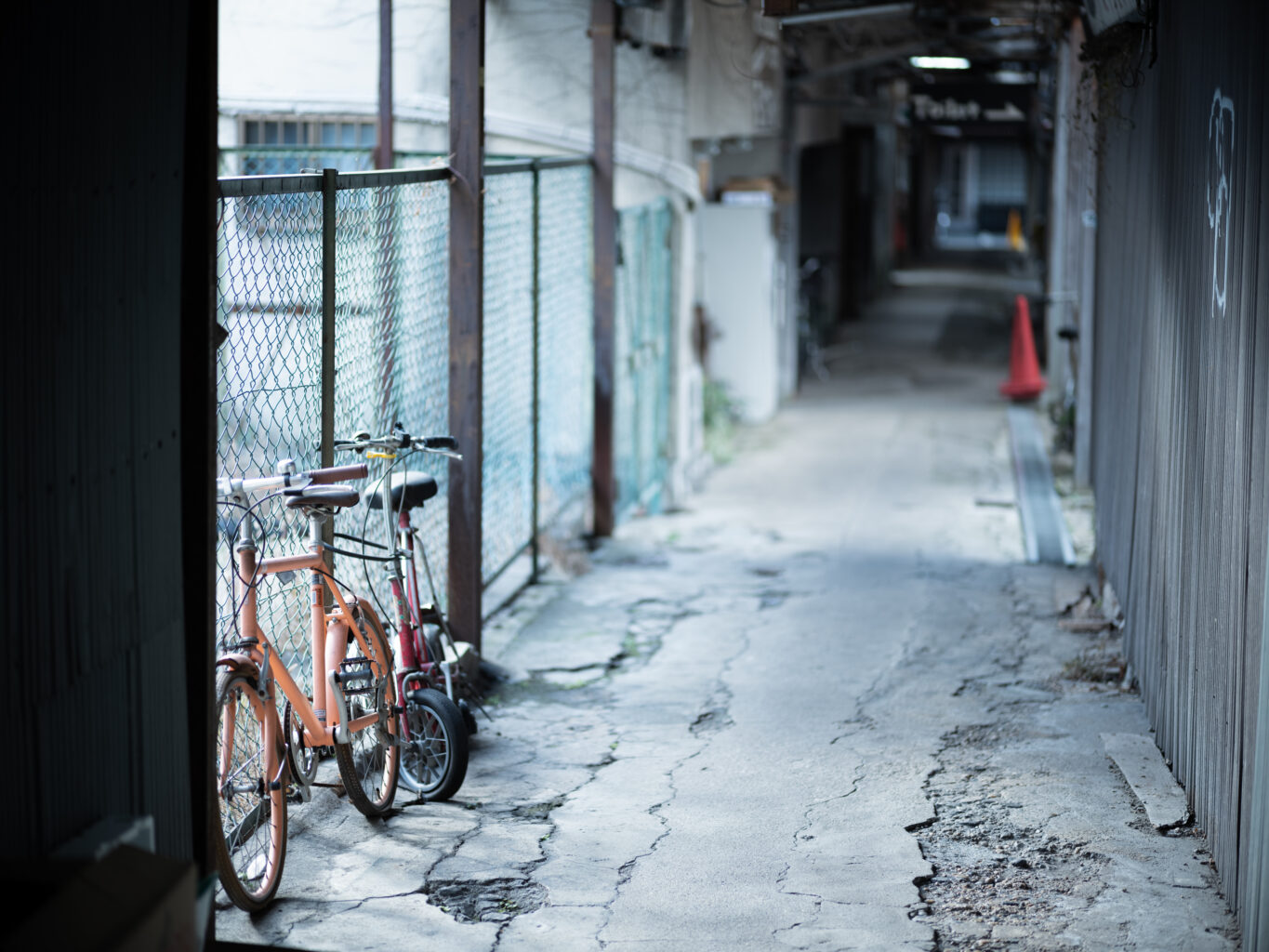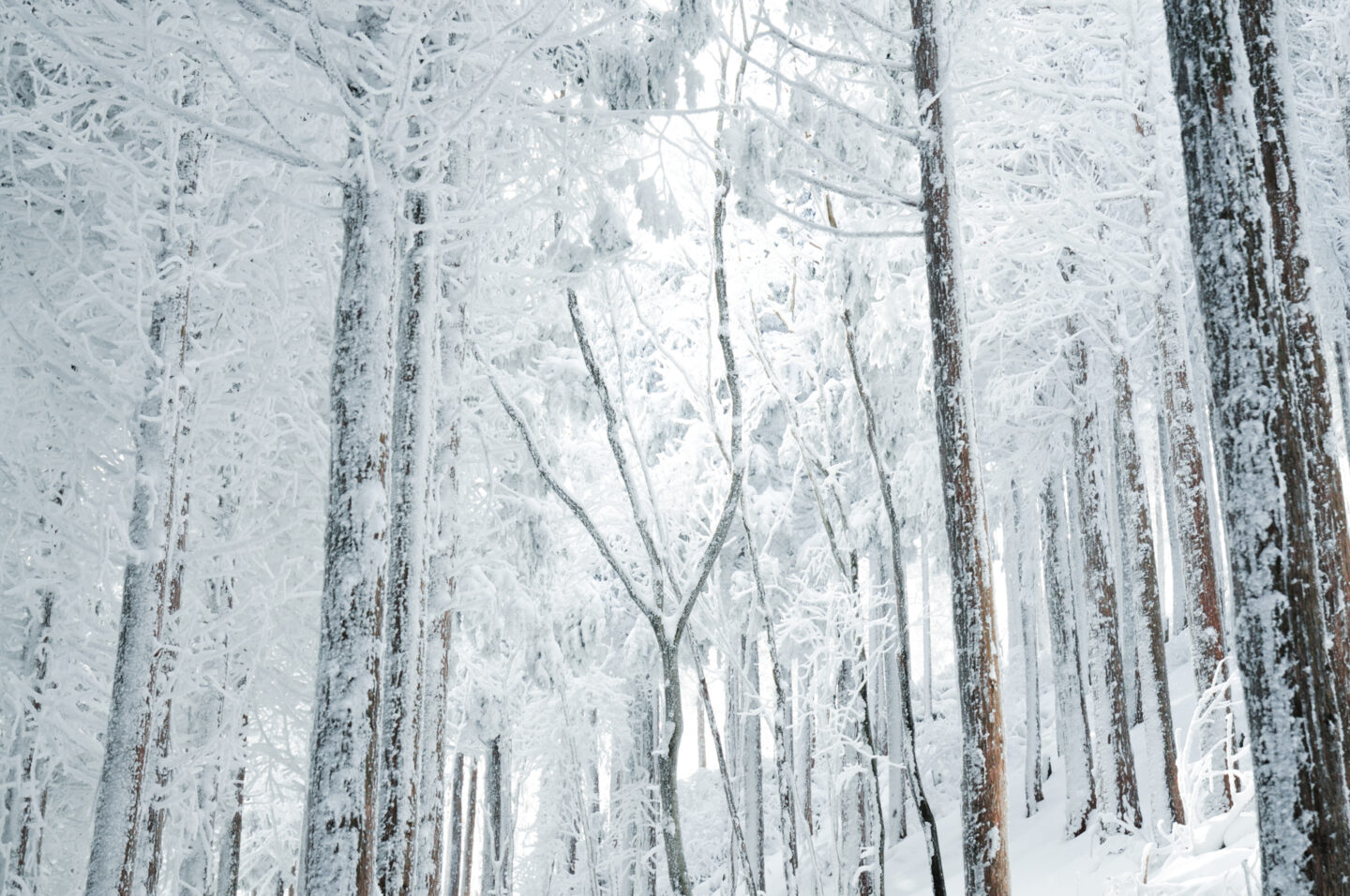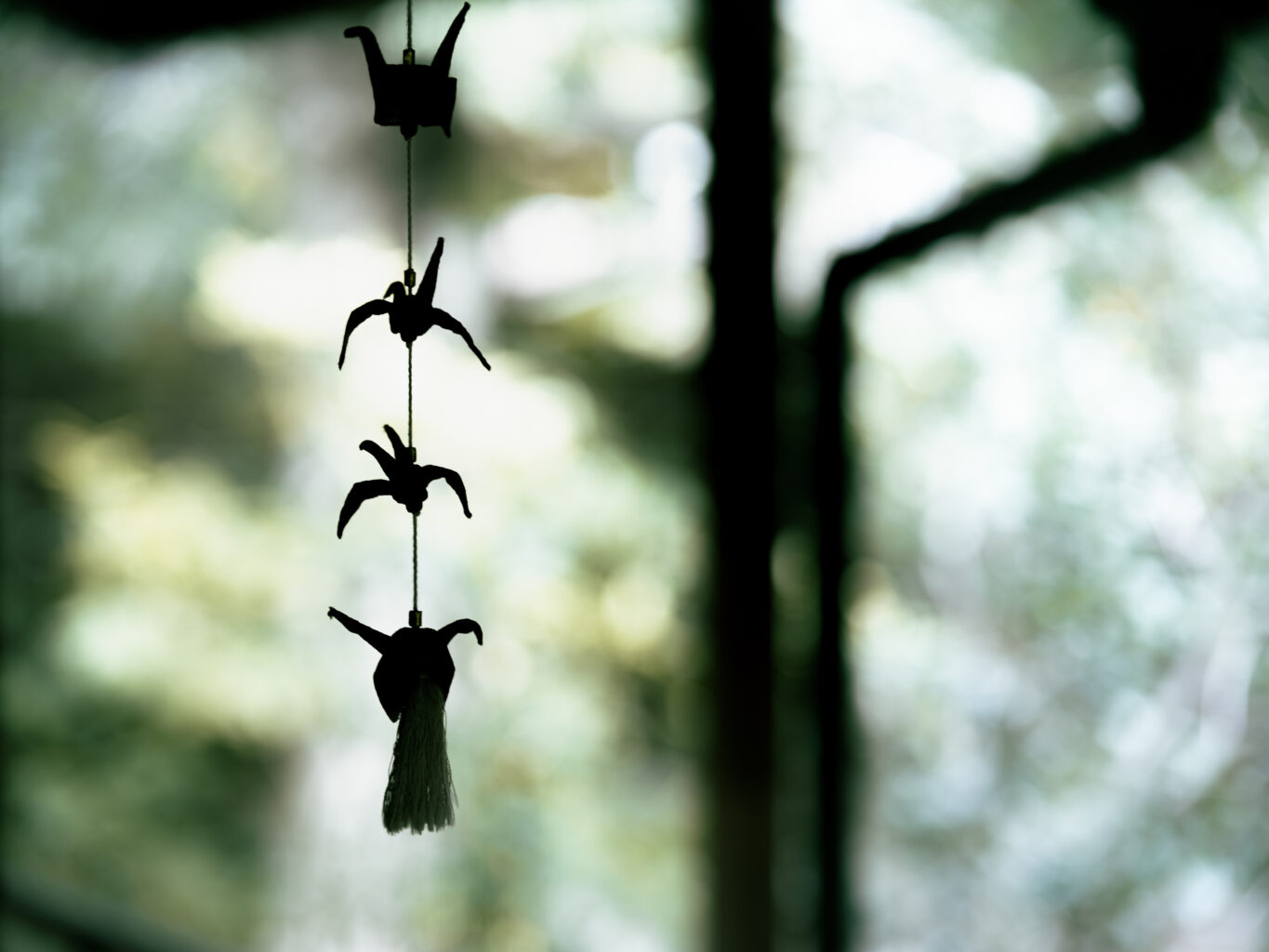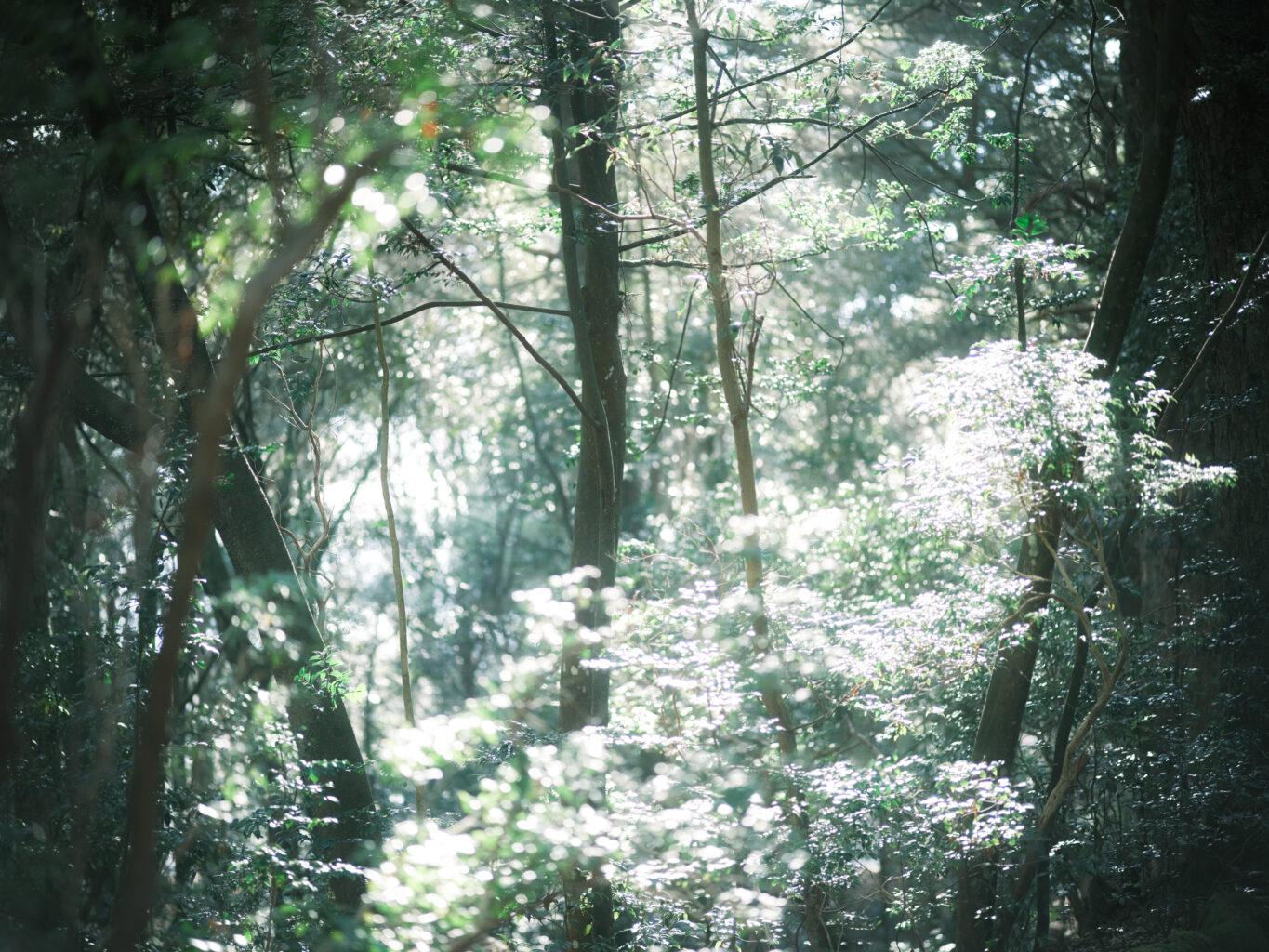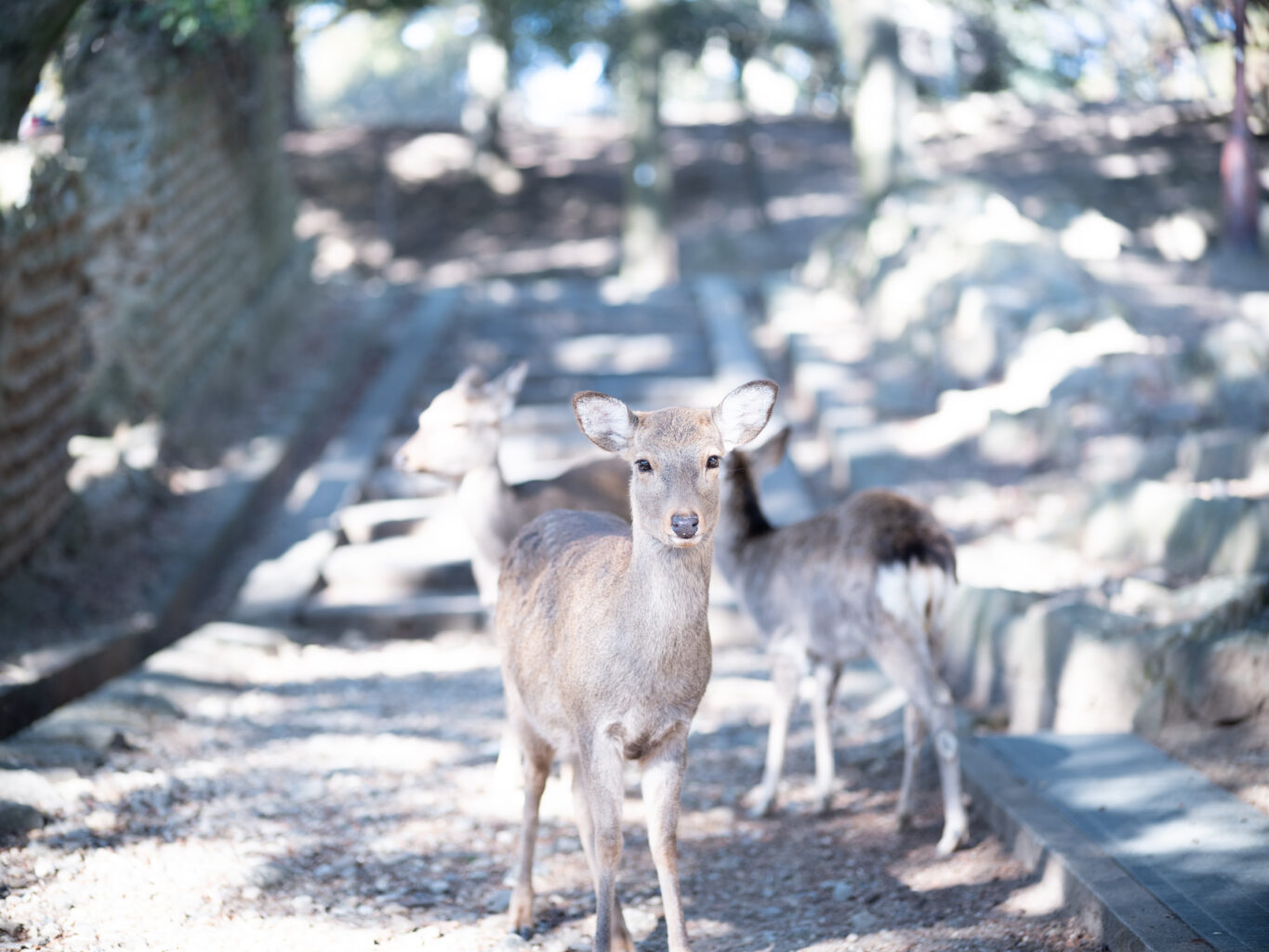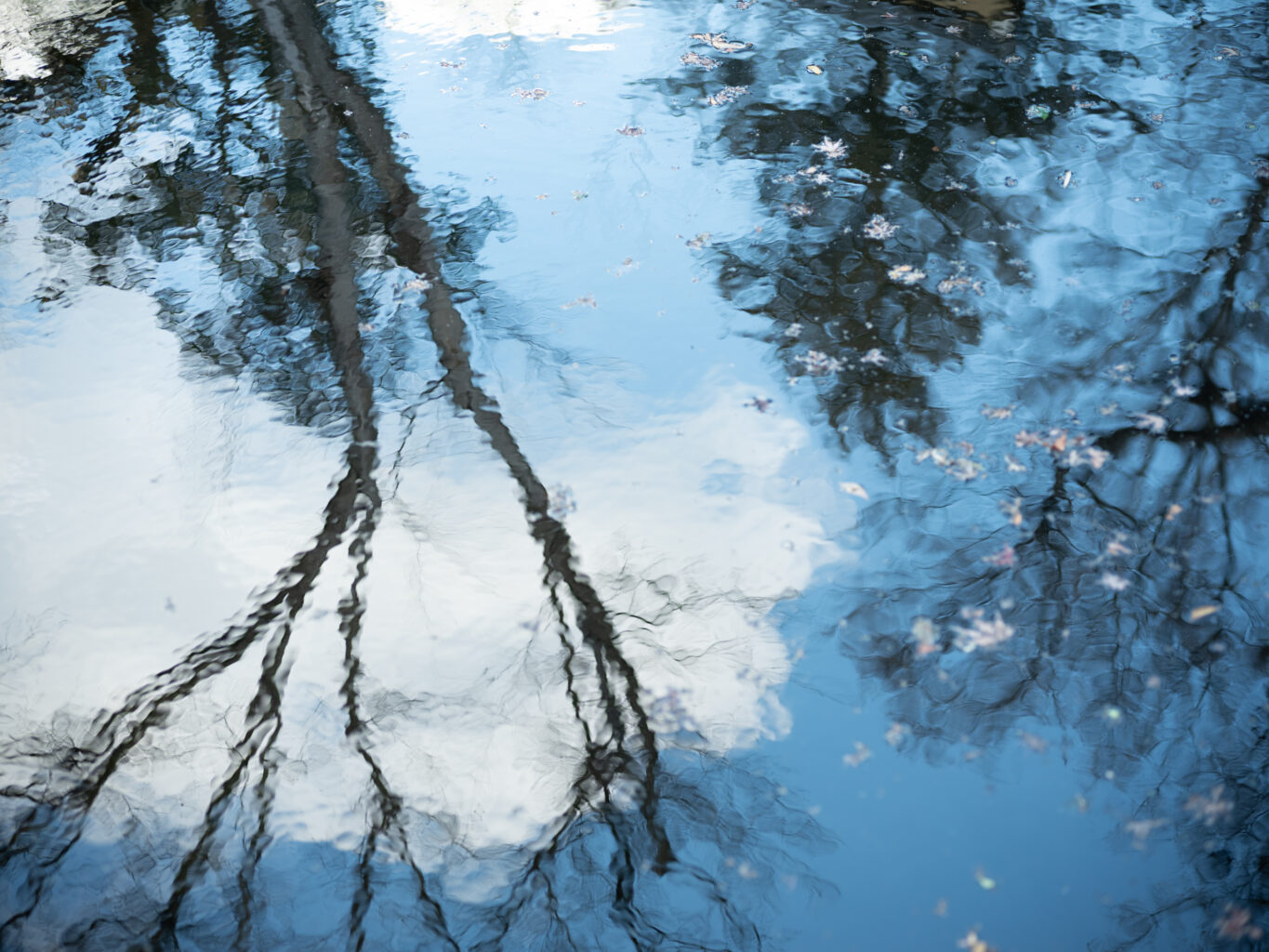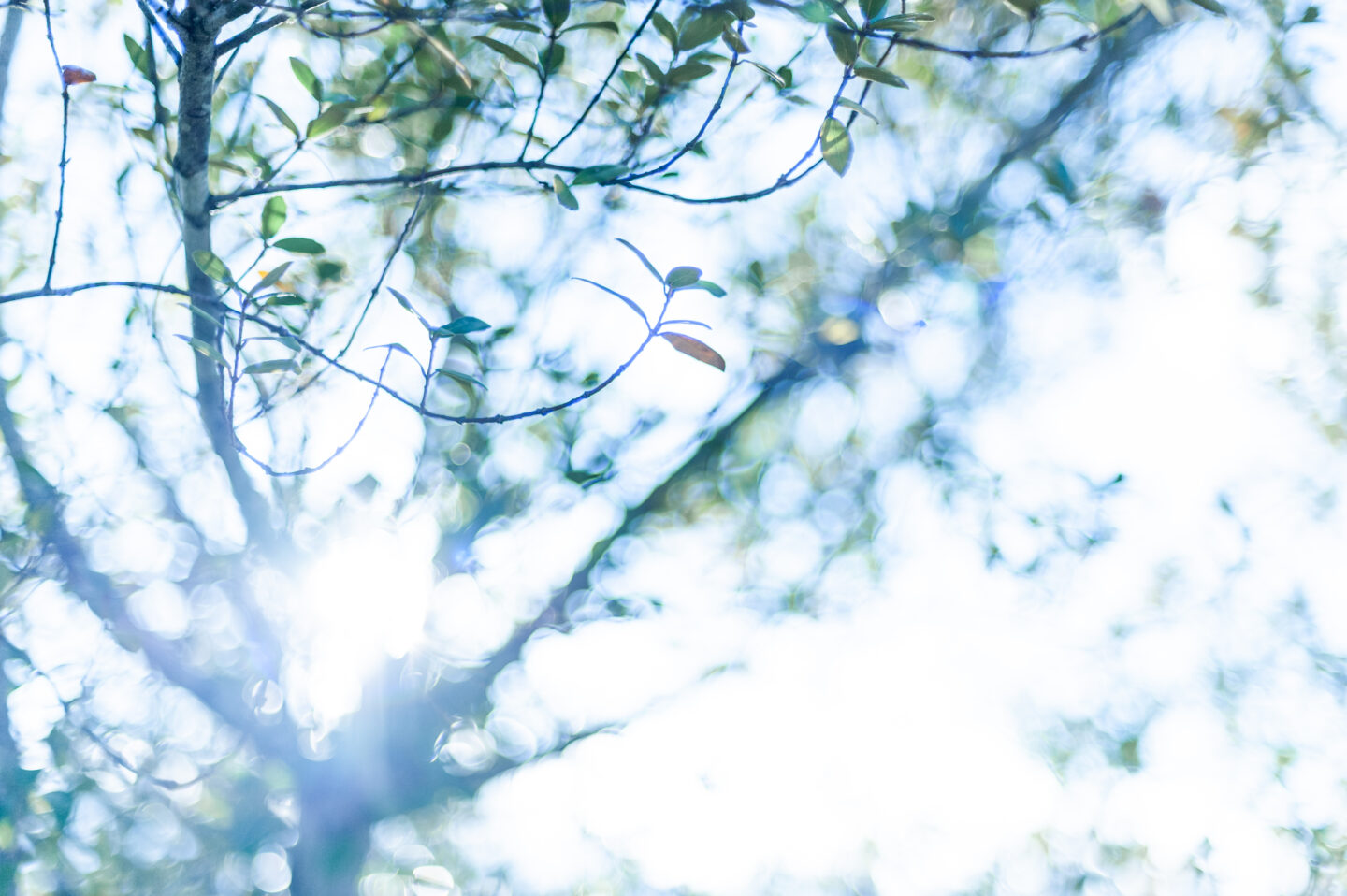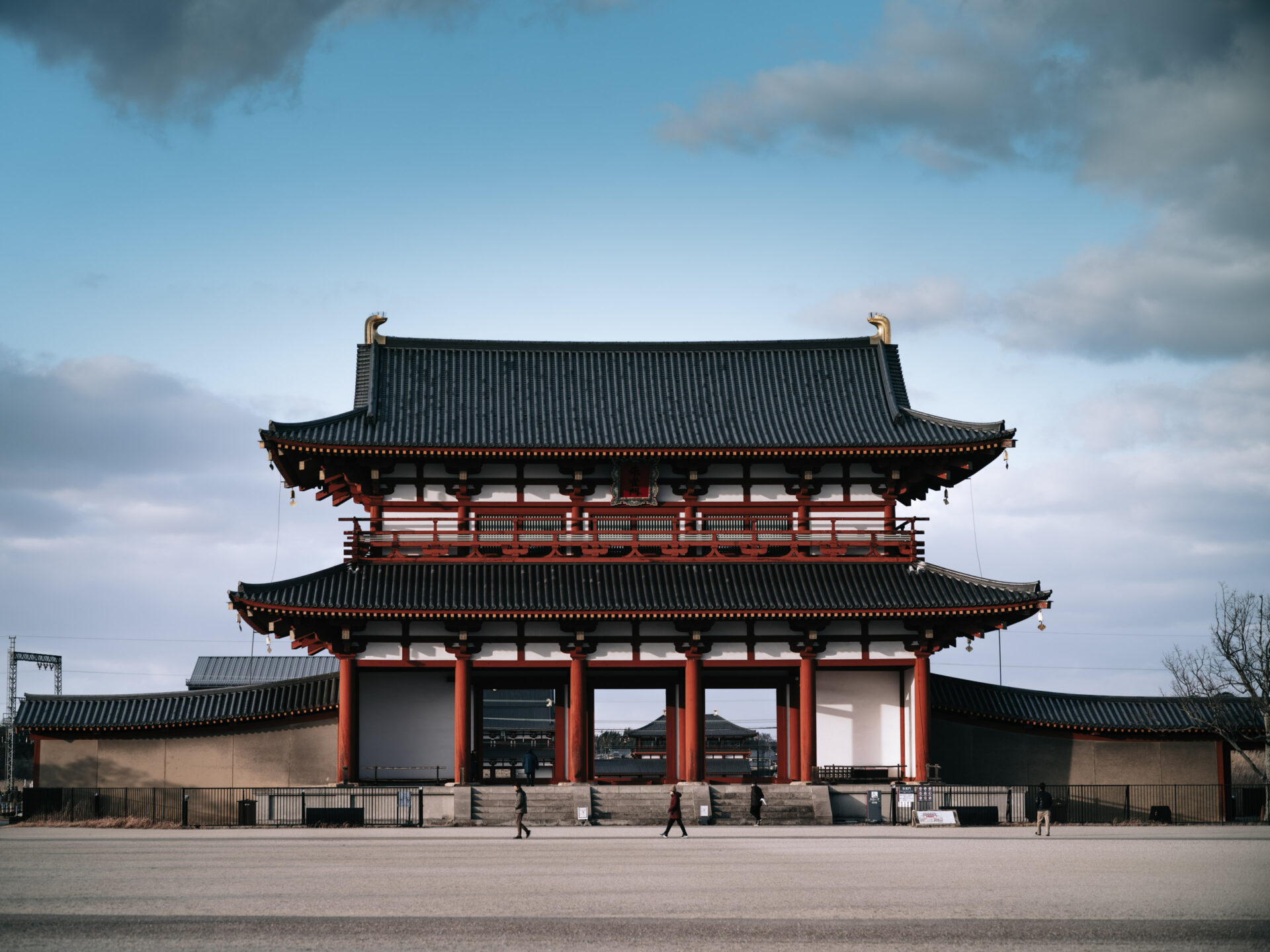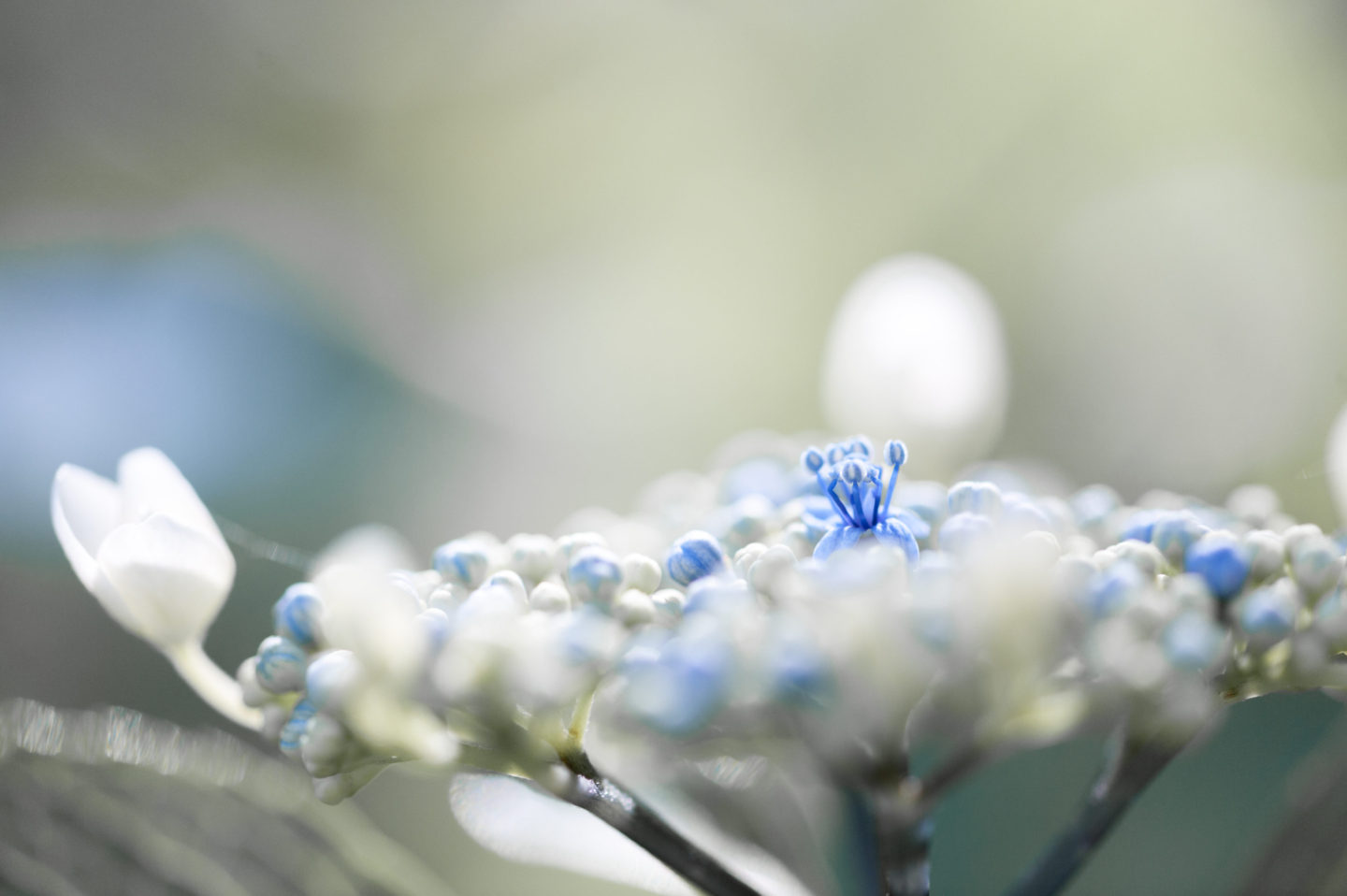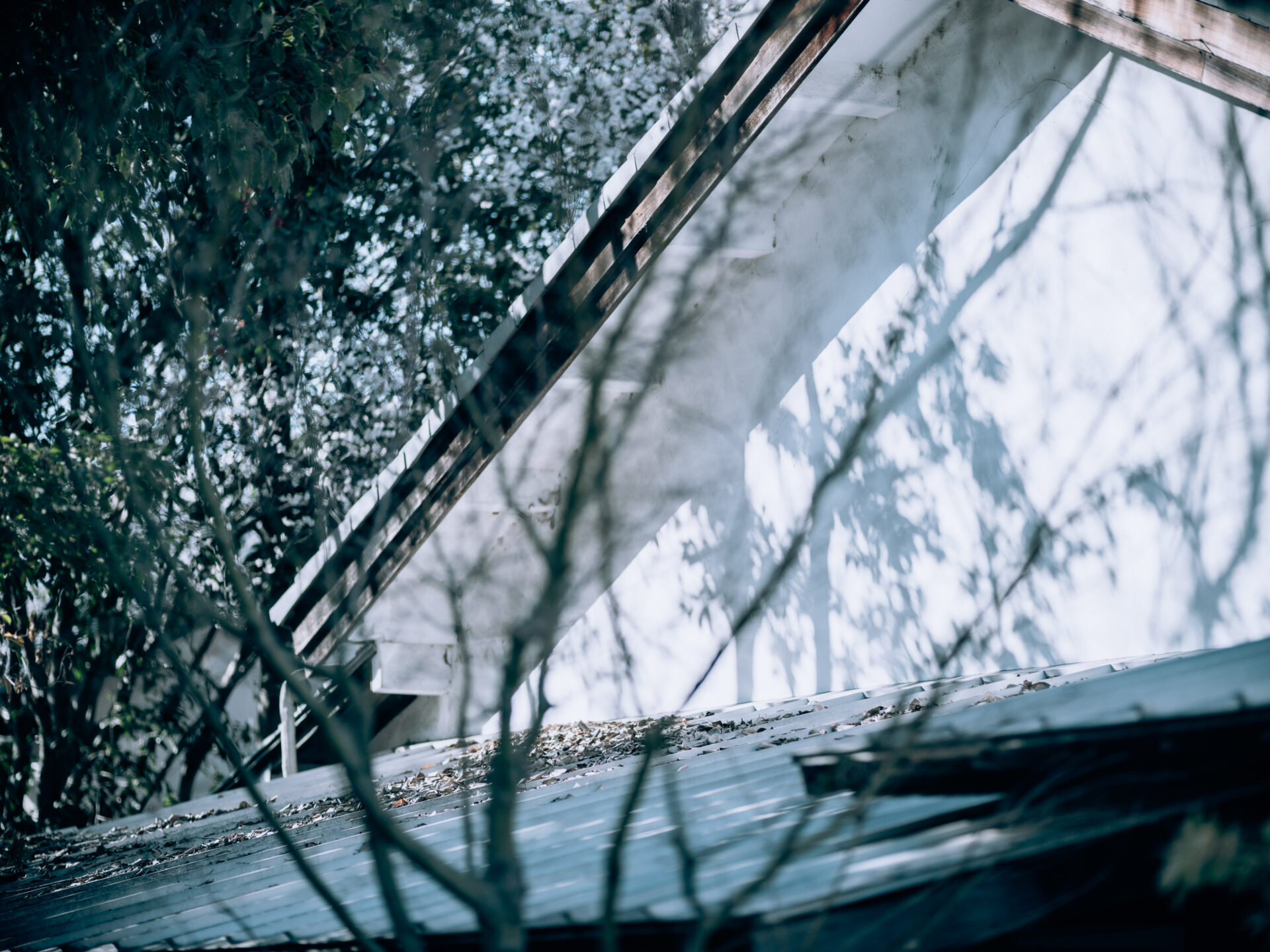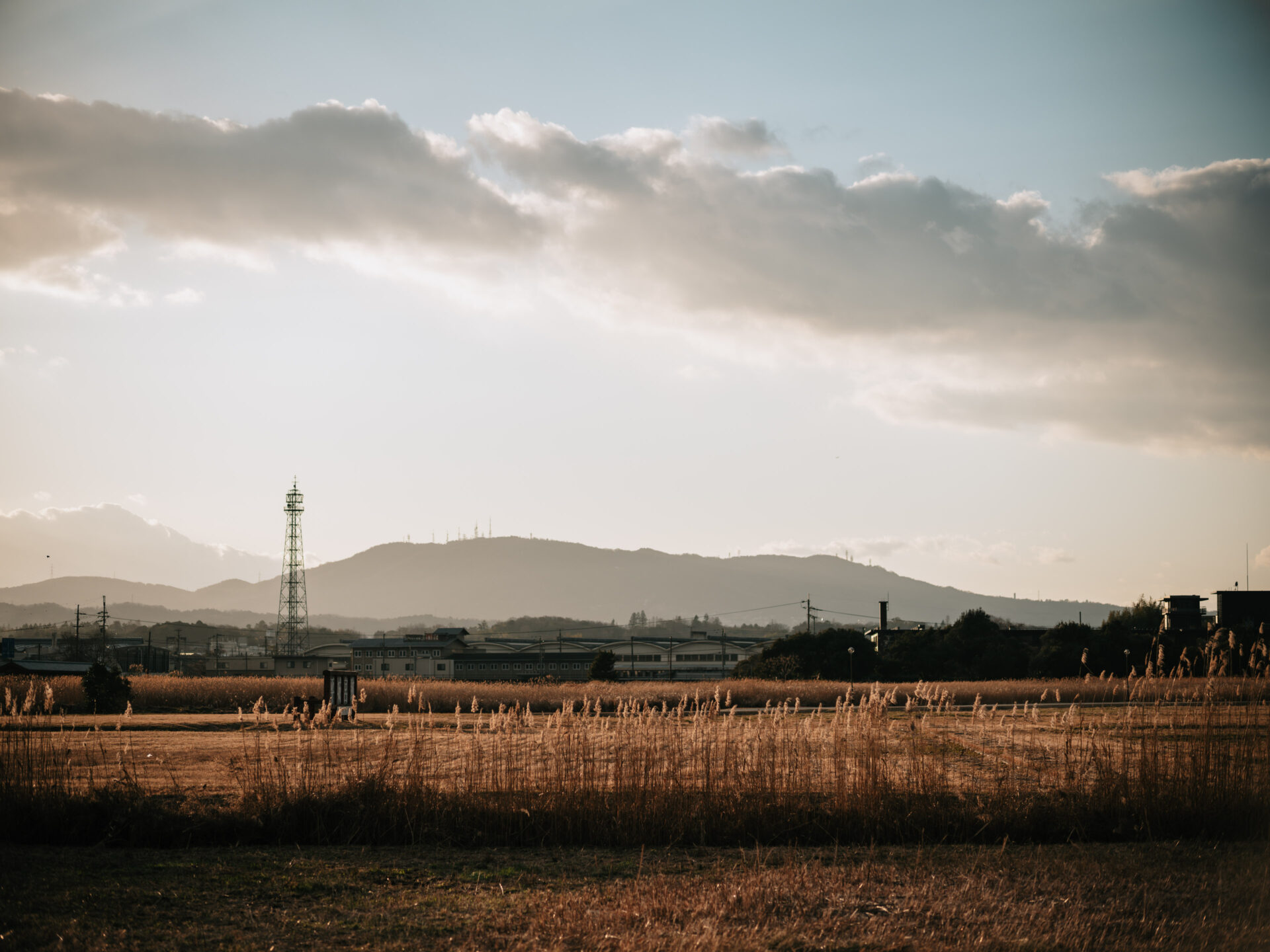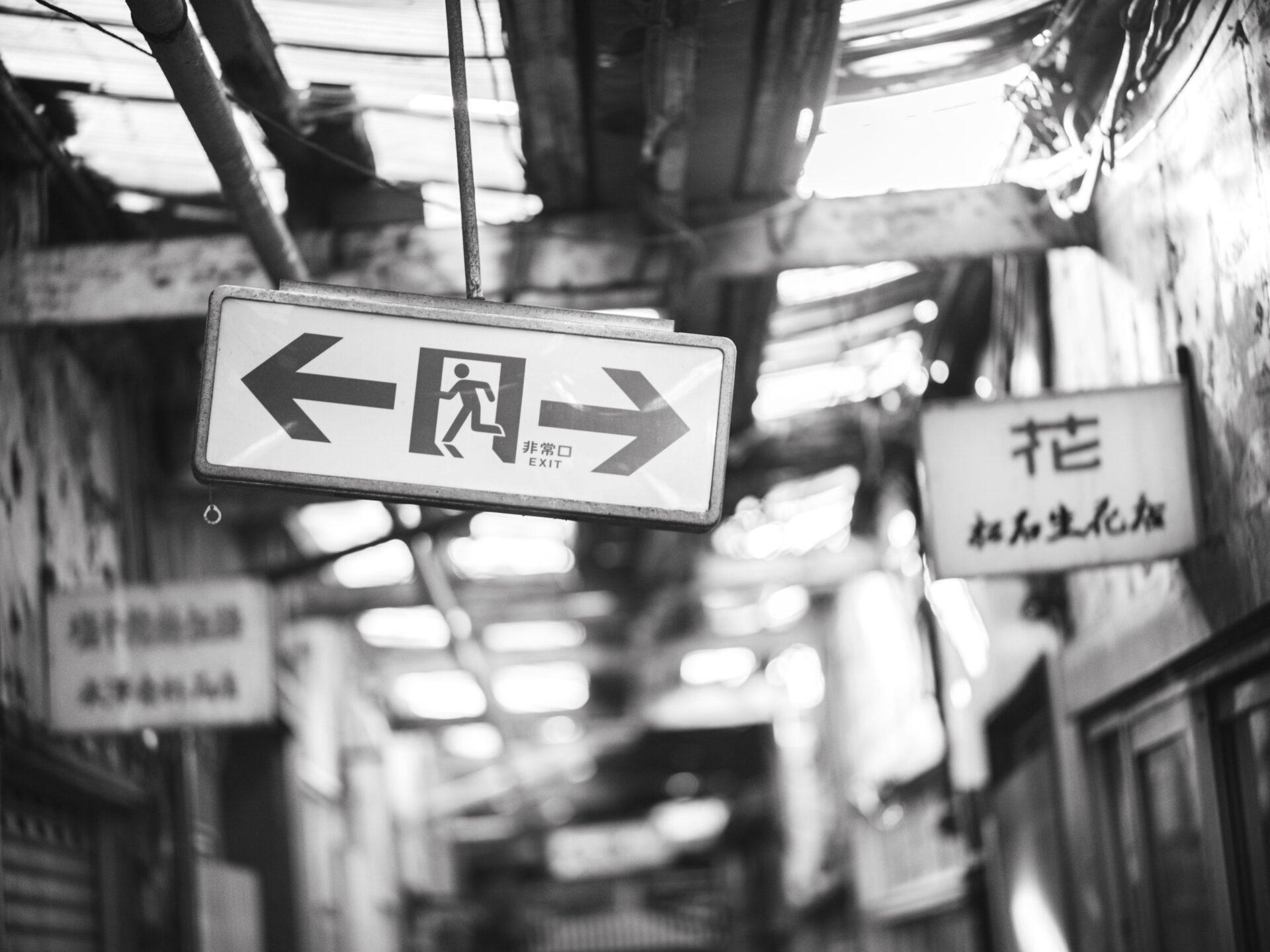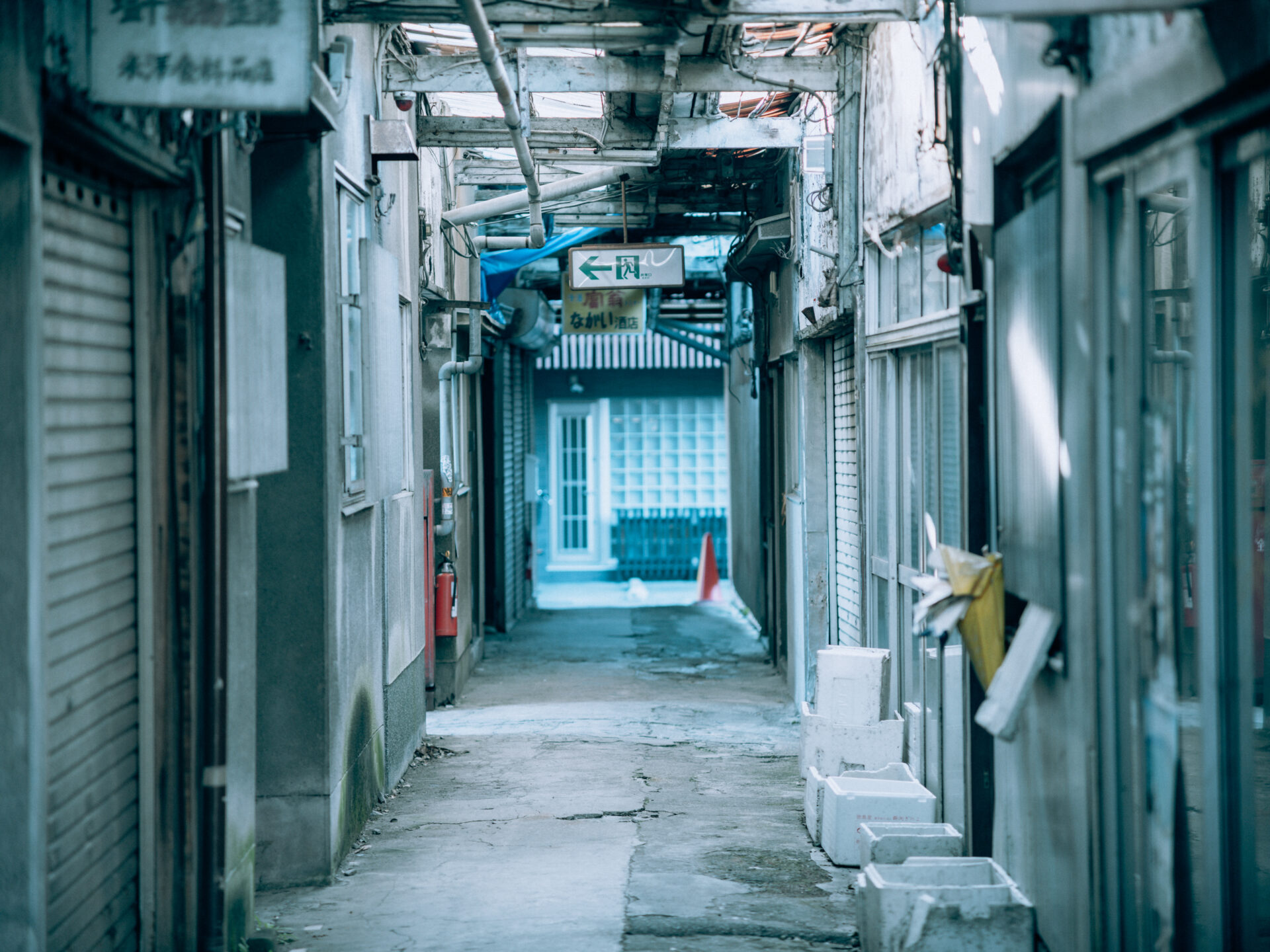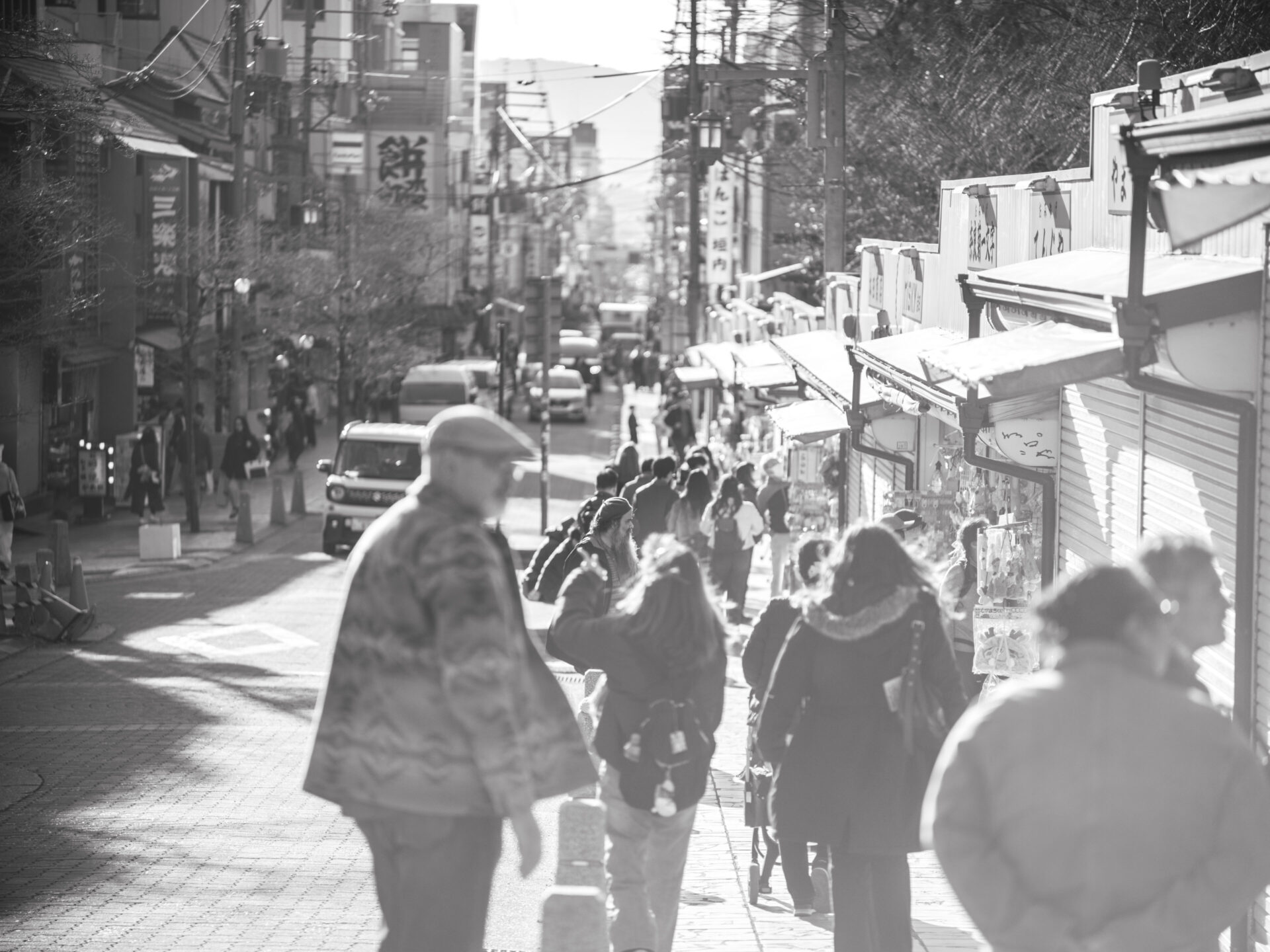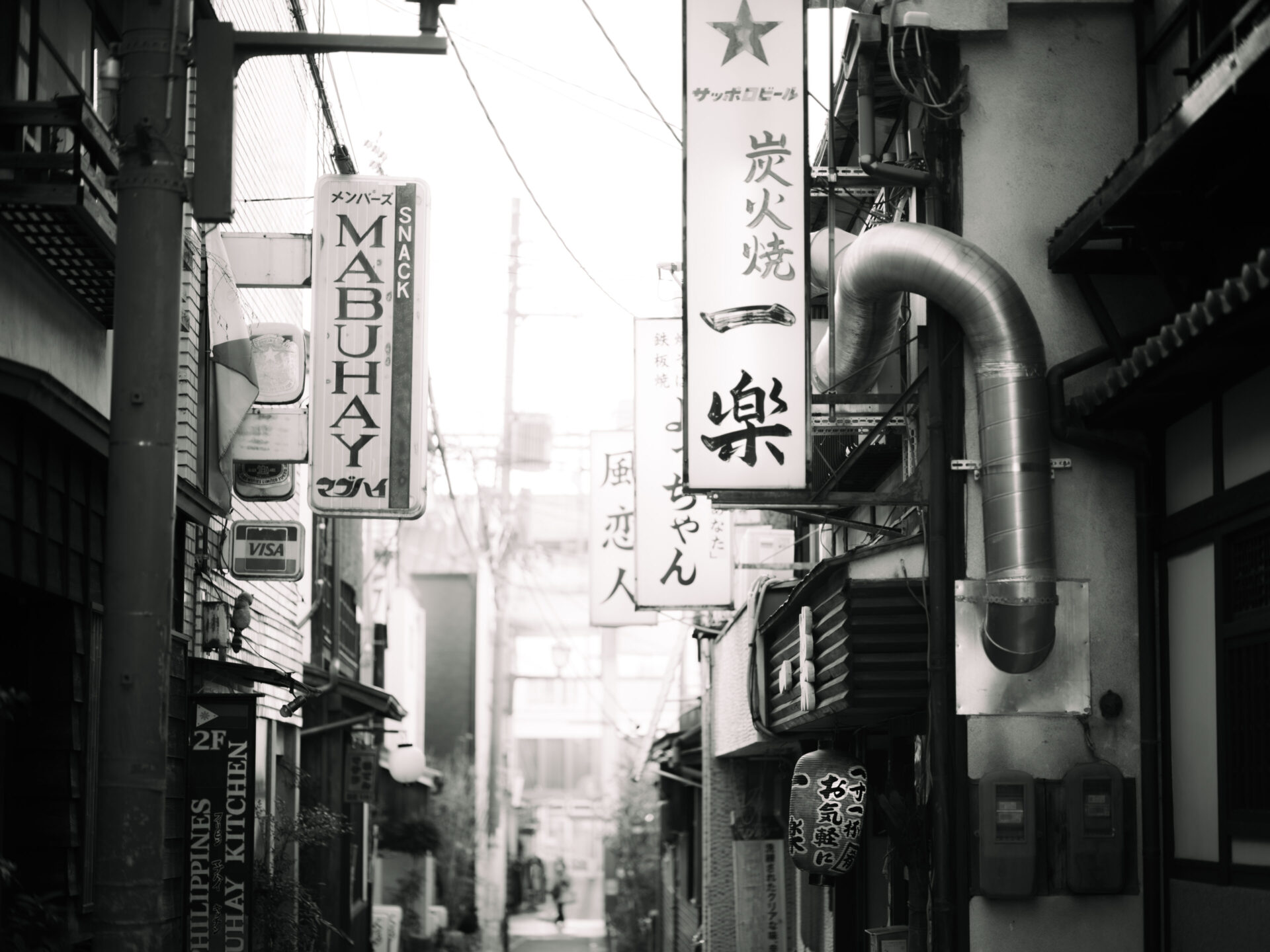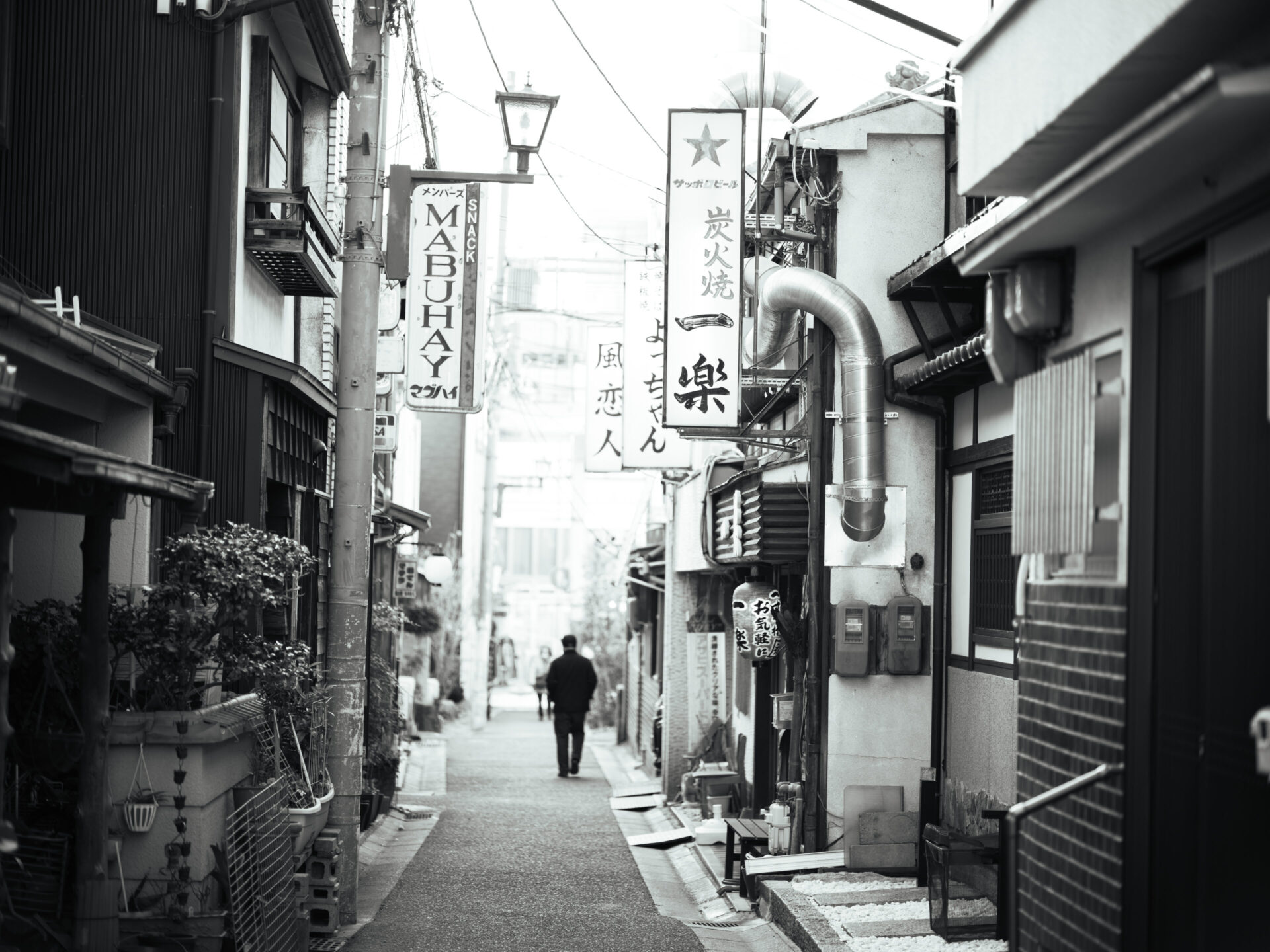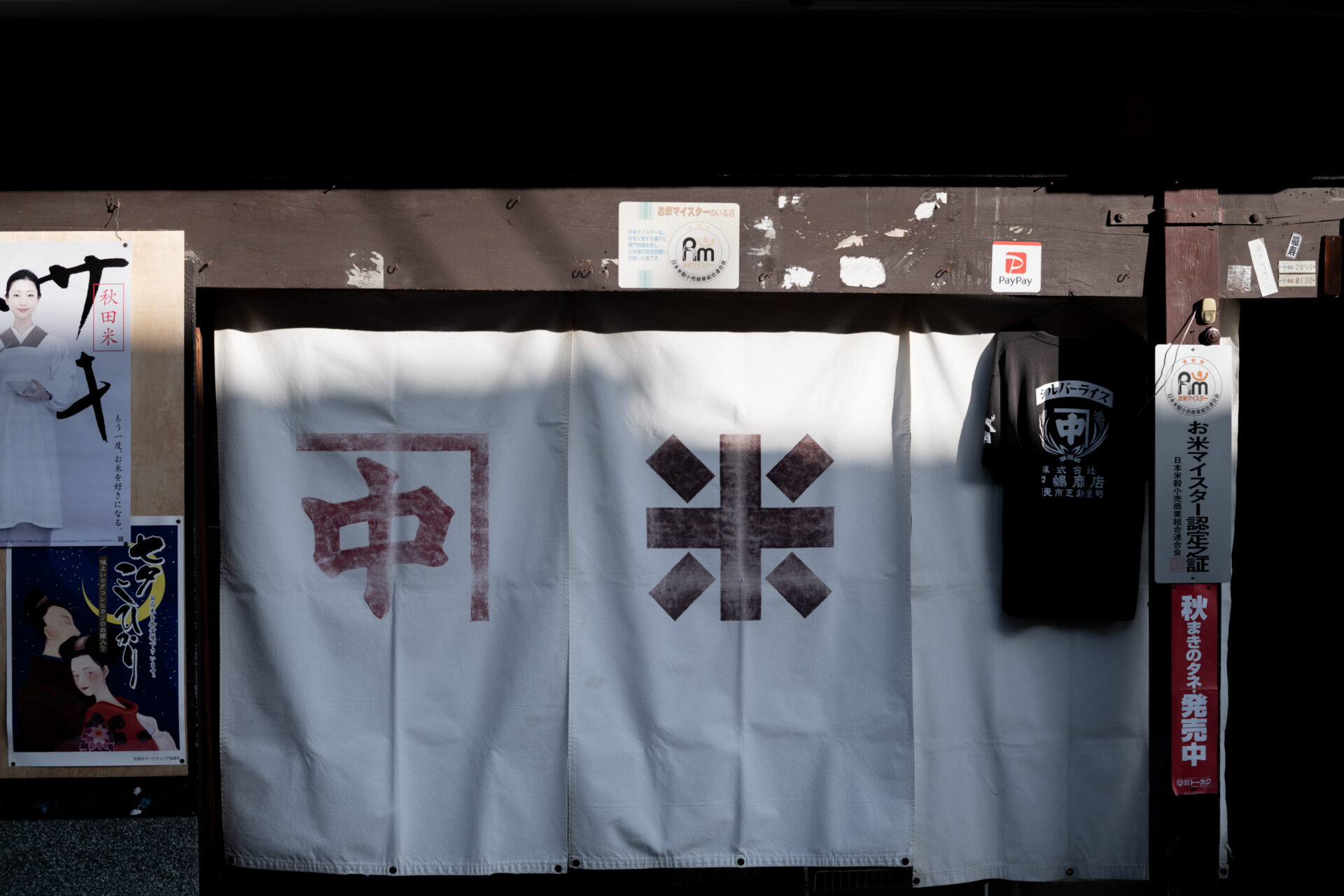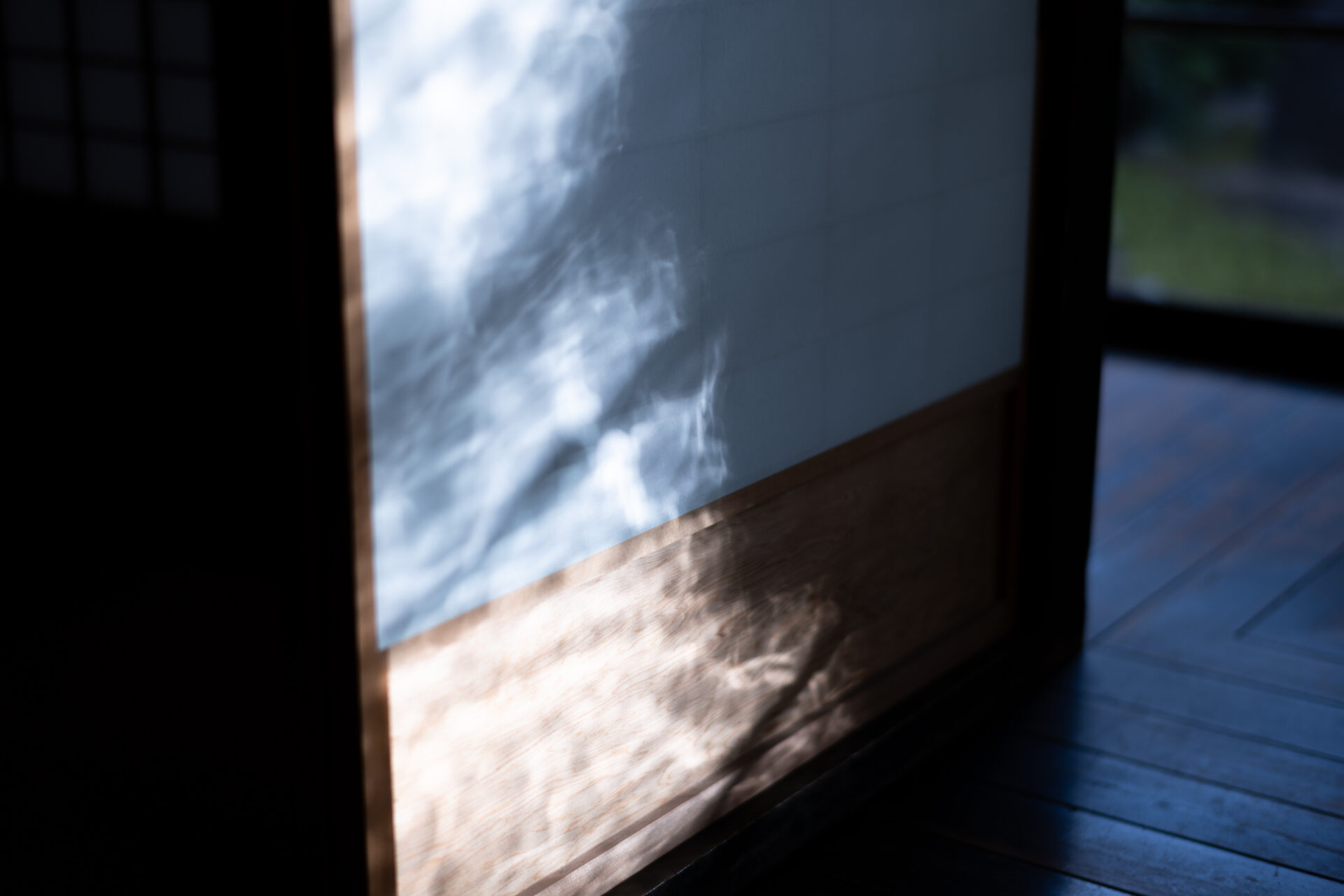
Standing before the “Lattice House” (Koshi-no-Ie) in the historic district of Naramachi, one immediately feels the delicate boundary between the bustling outer world and a profound inner silence. These traditional wooden lattices, or koshi, have shielded the interior from the winter winds for decades. Now, as early spring arrives, they begin to filter a different kind of energy—a soft, warm light that dances rhythmically across the tatami mats.
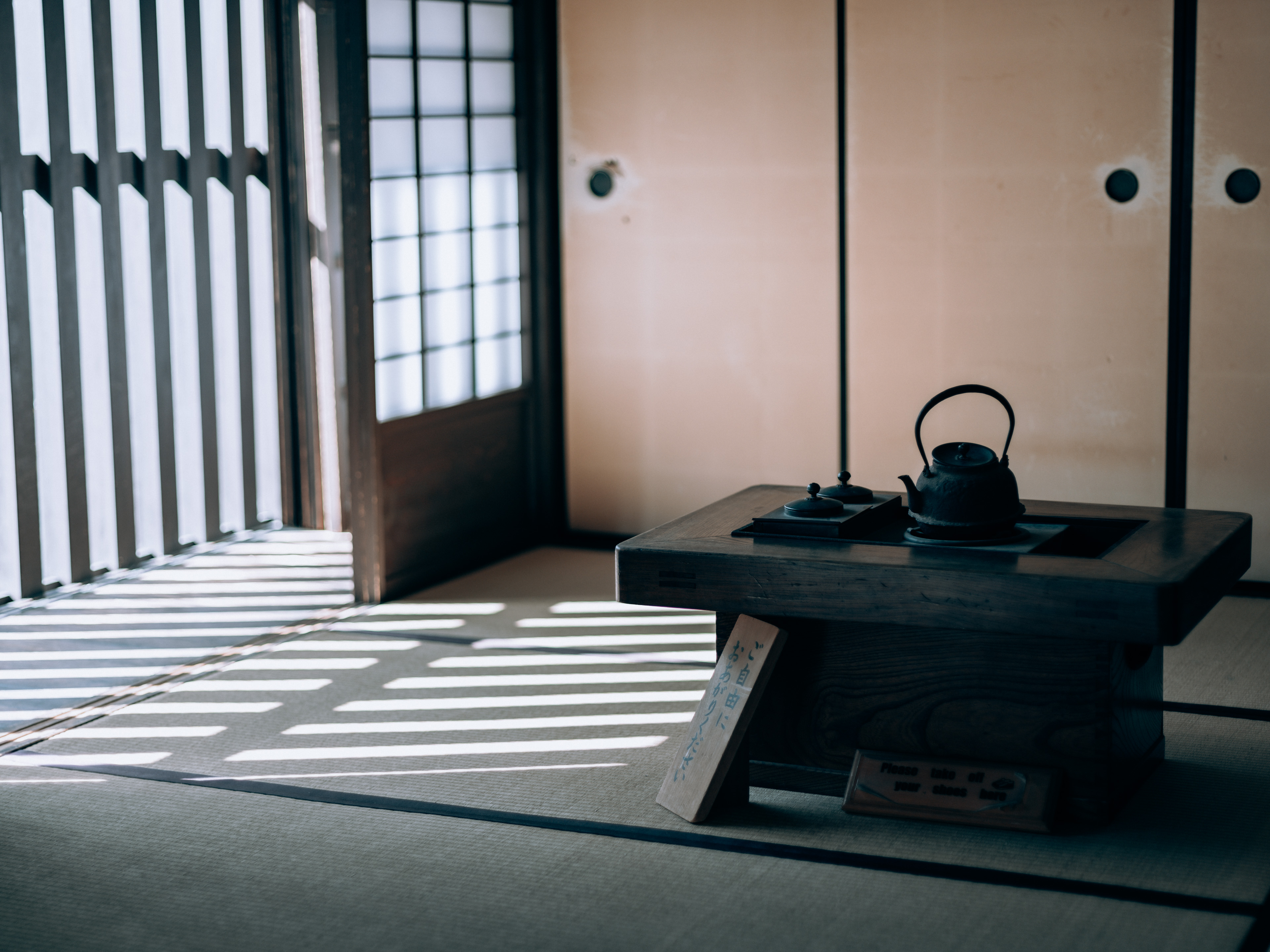
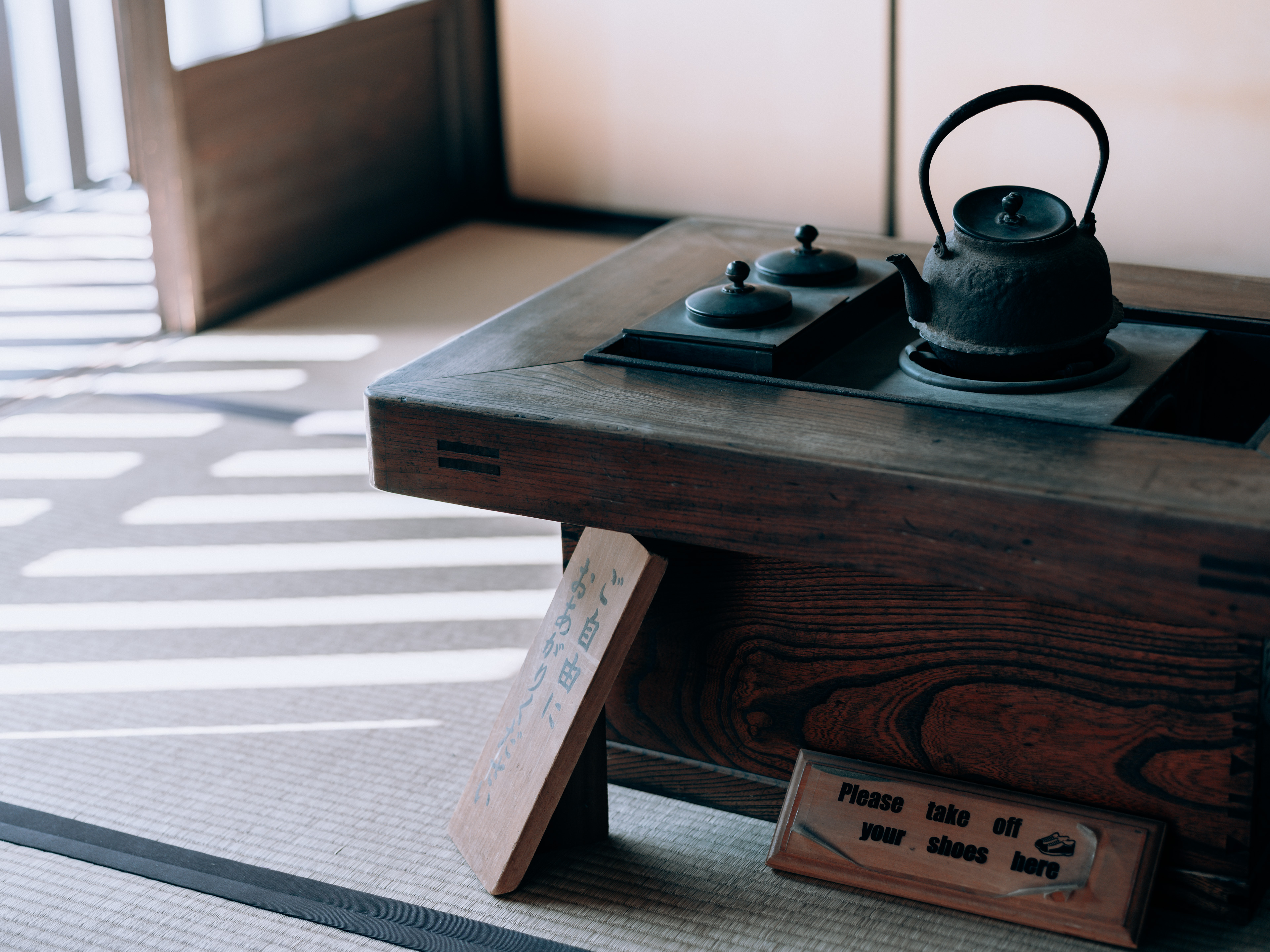
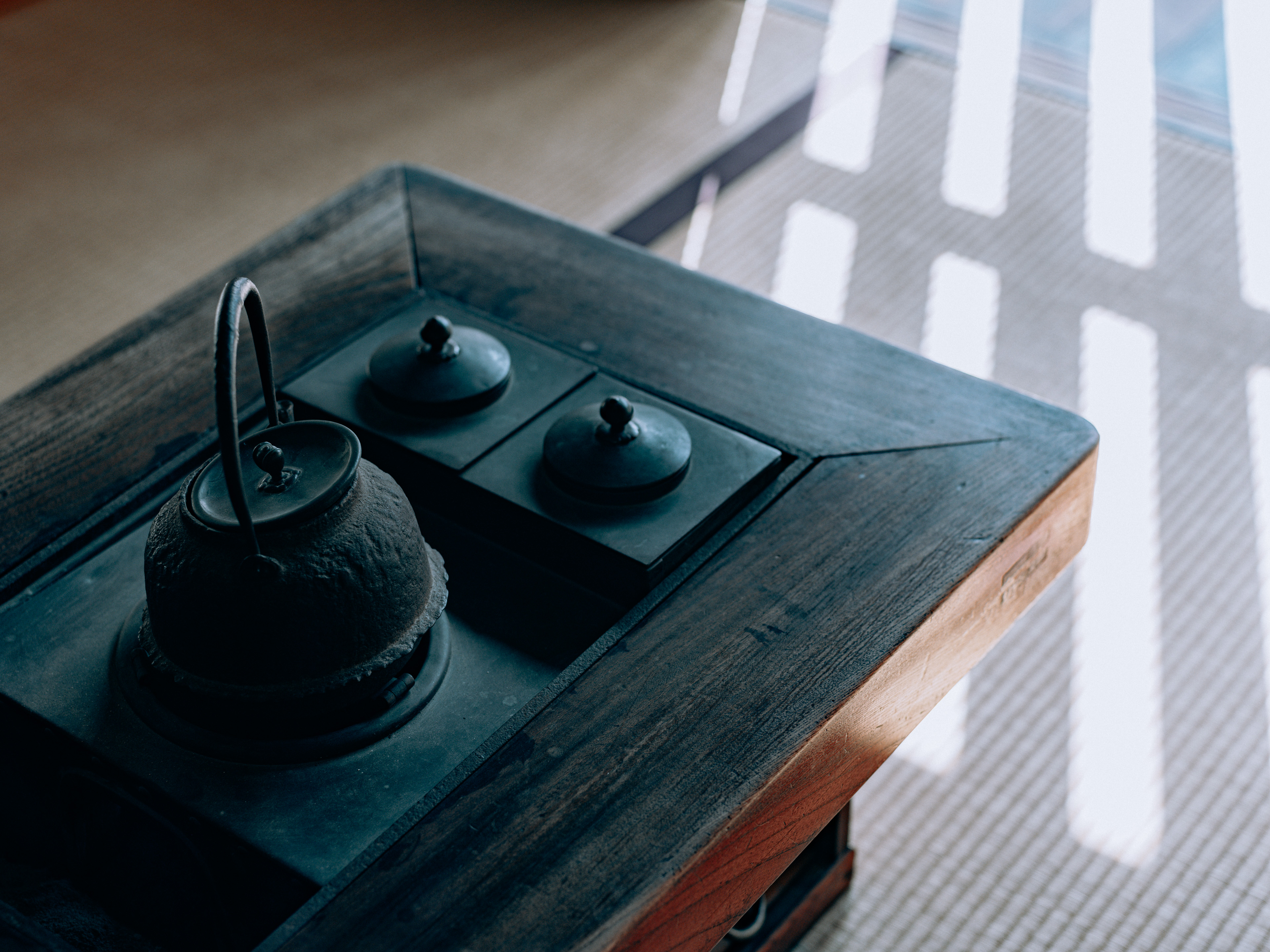
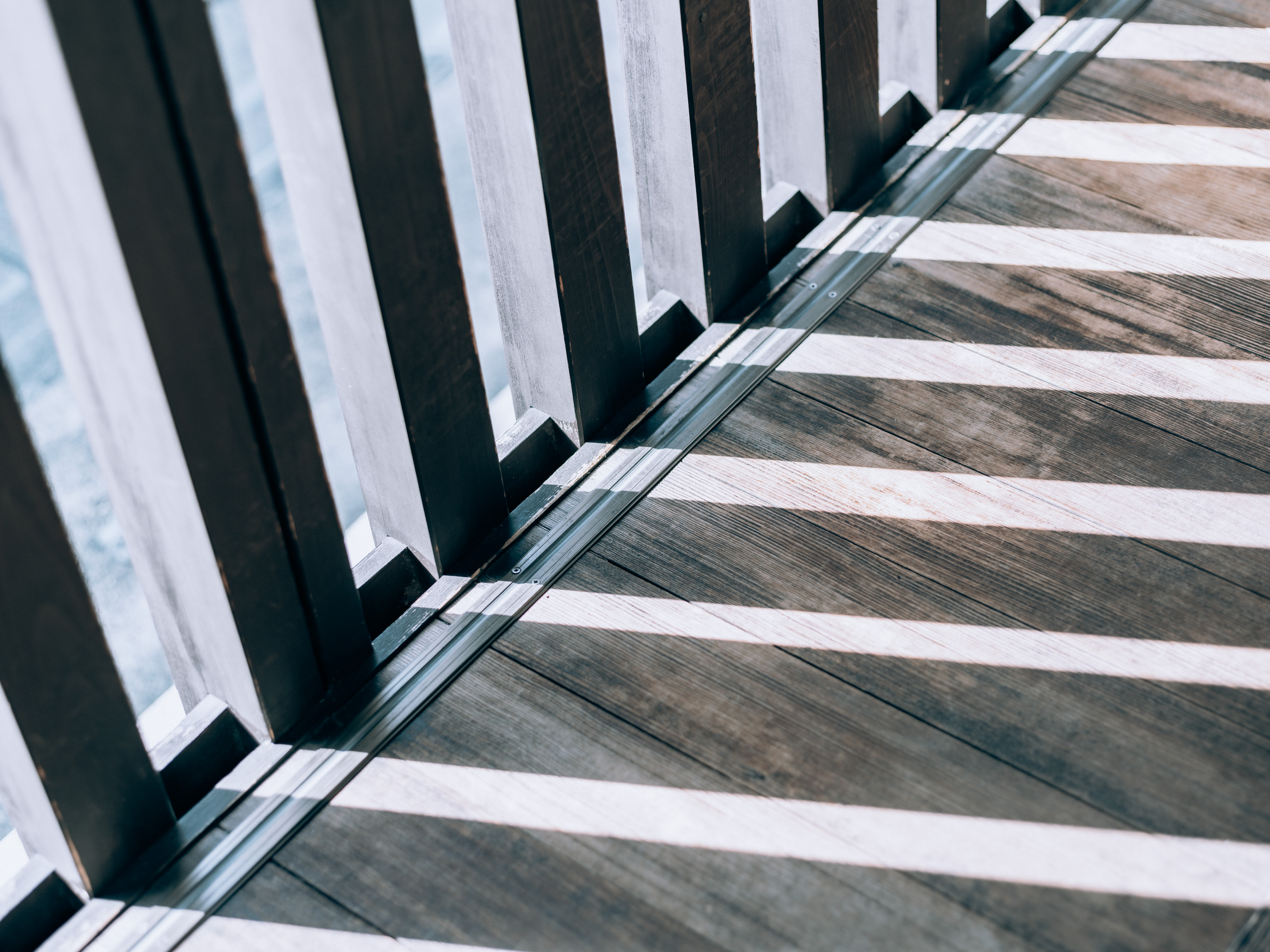
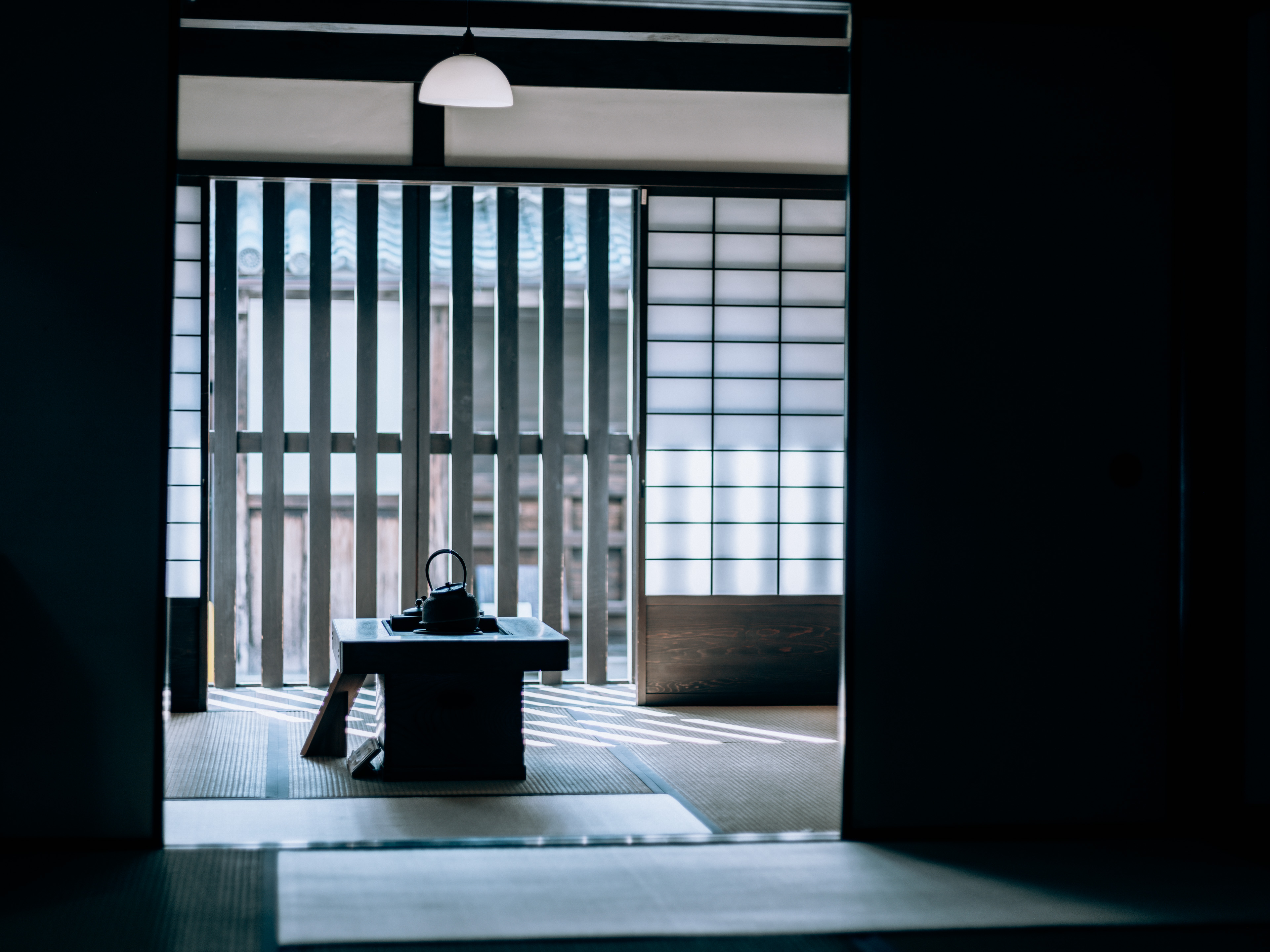
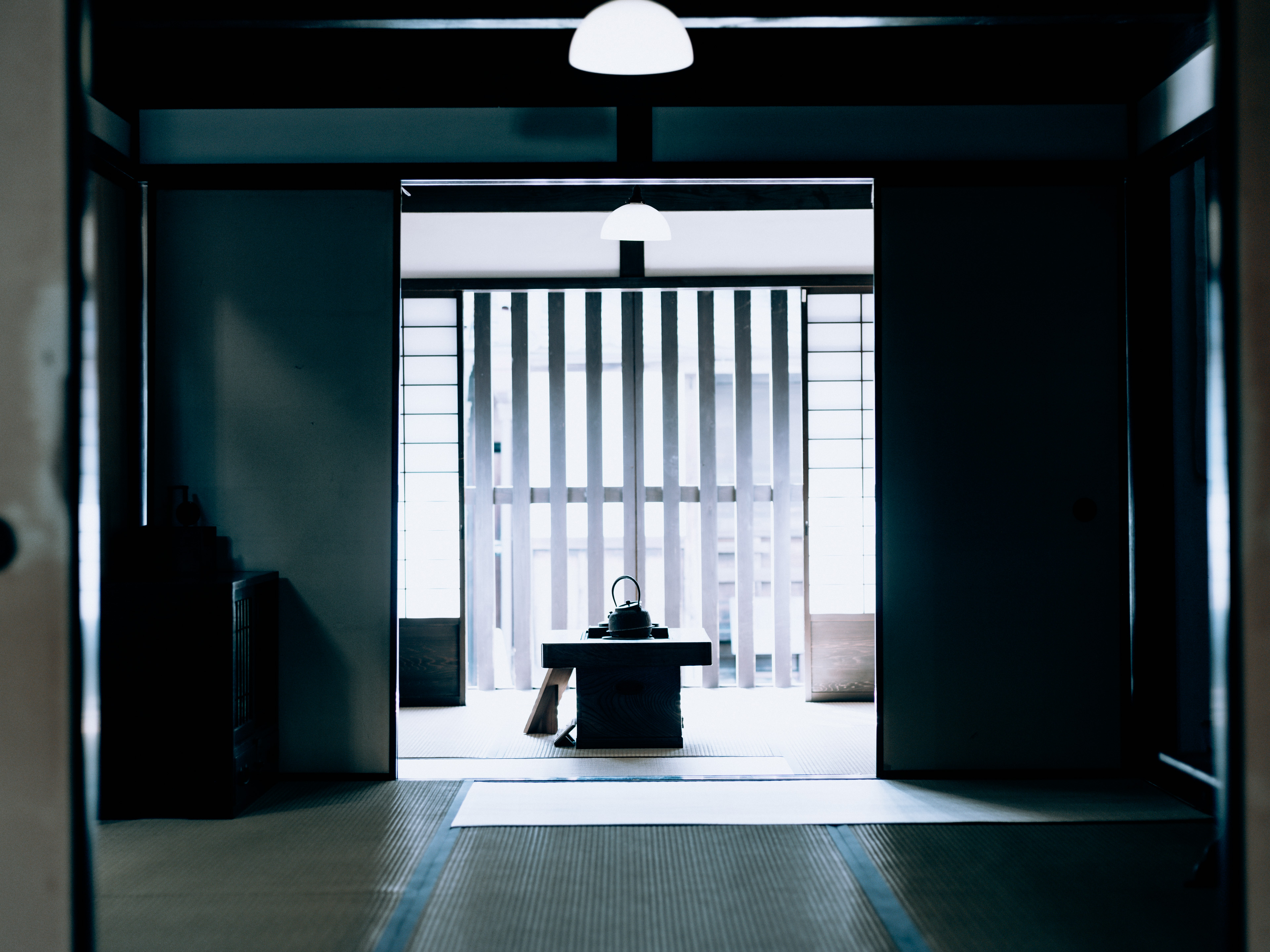
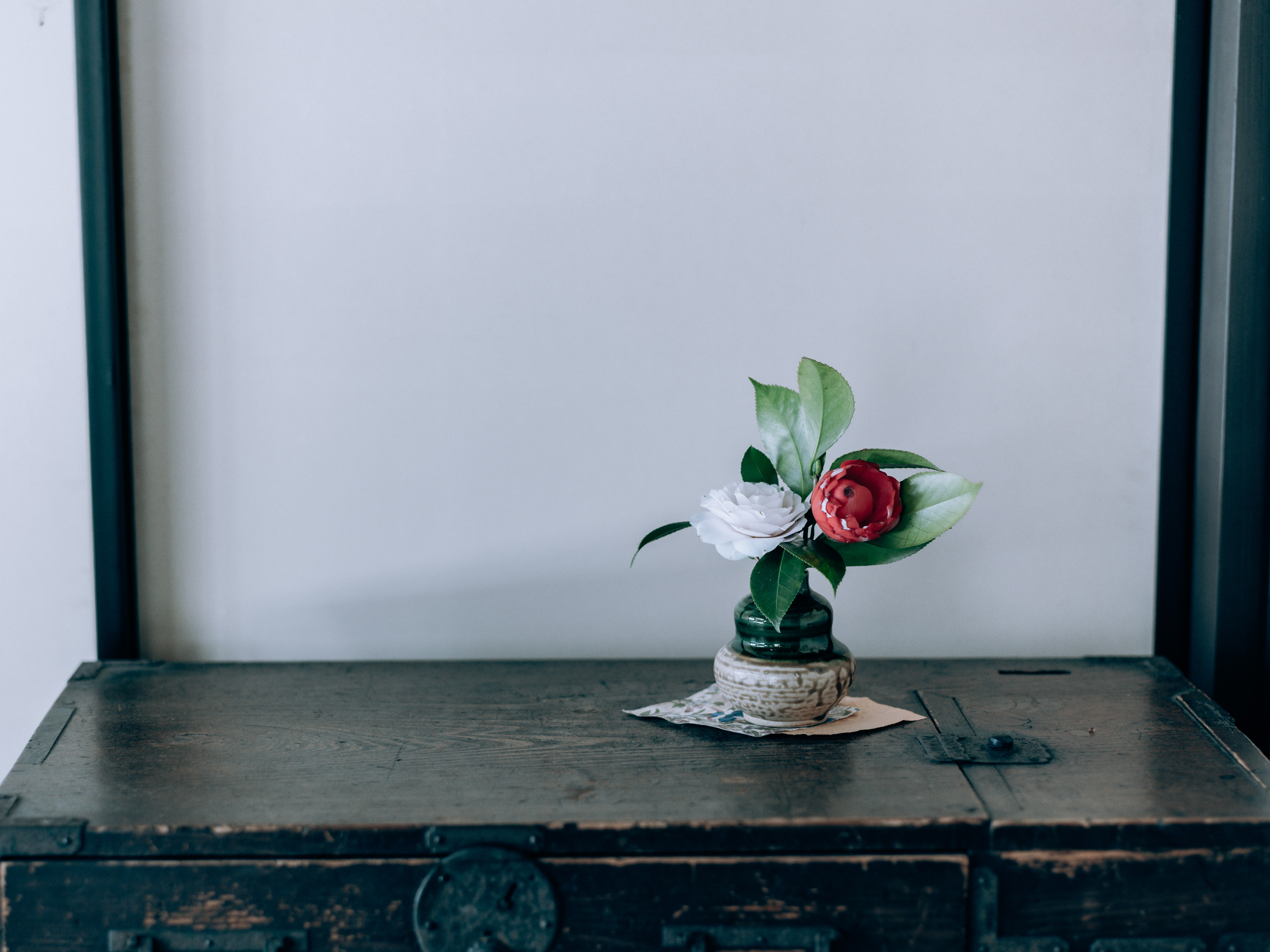
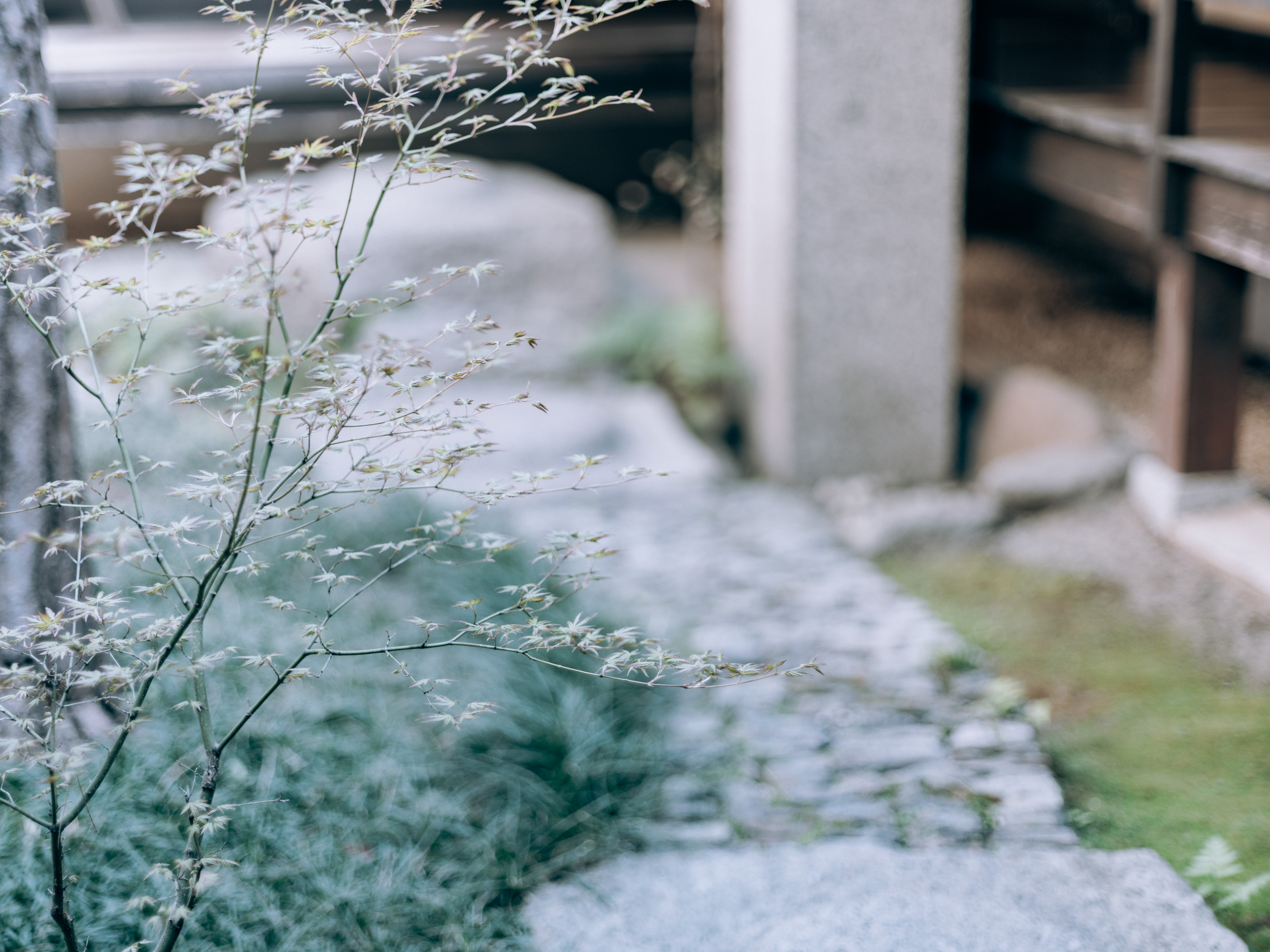
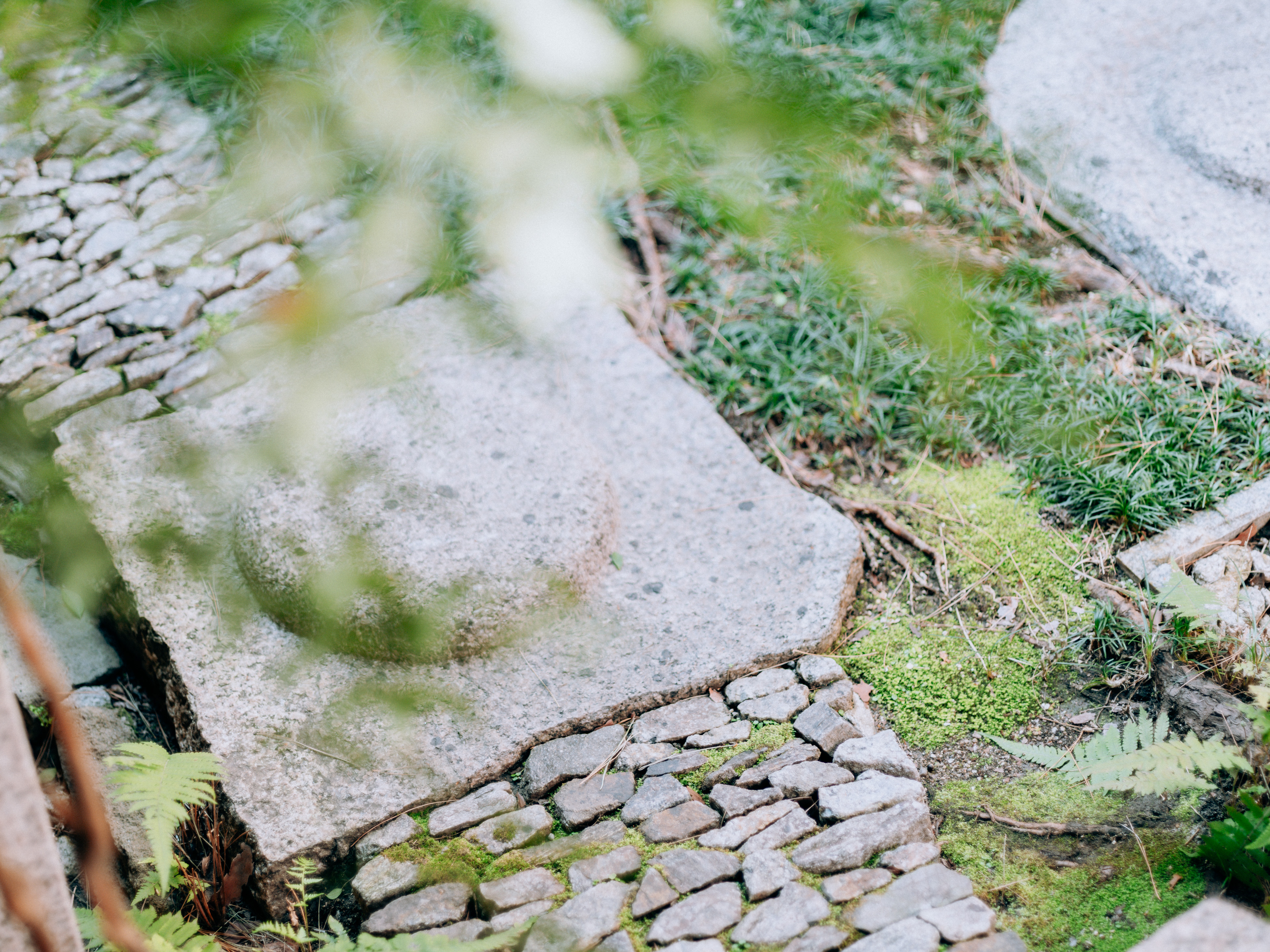
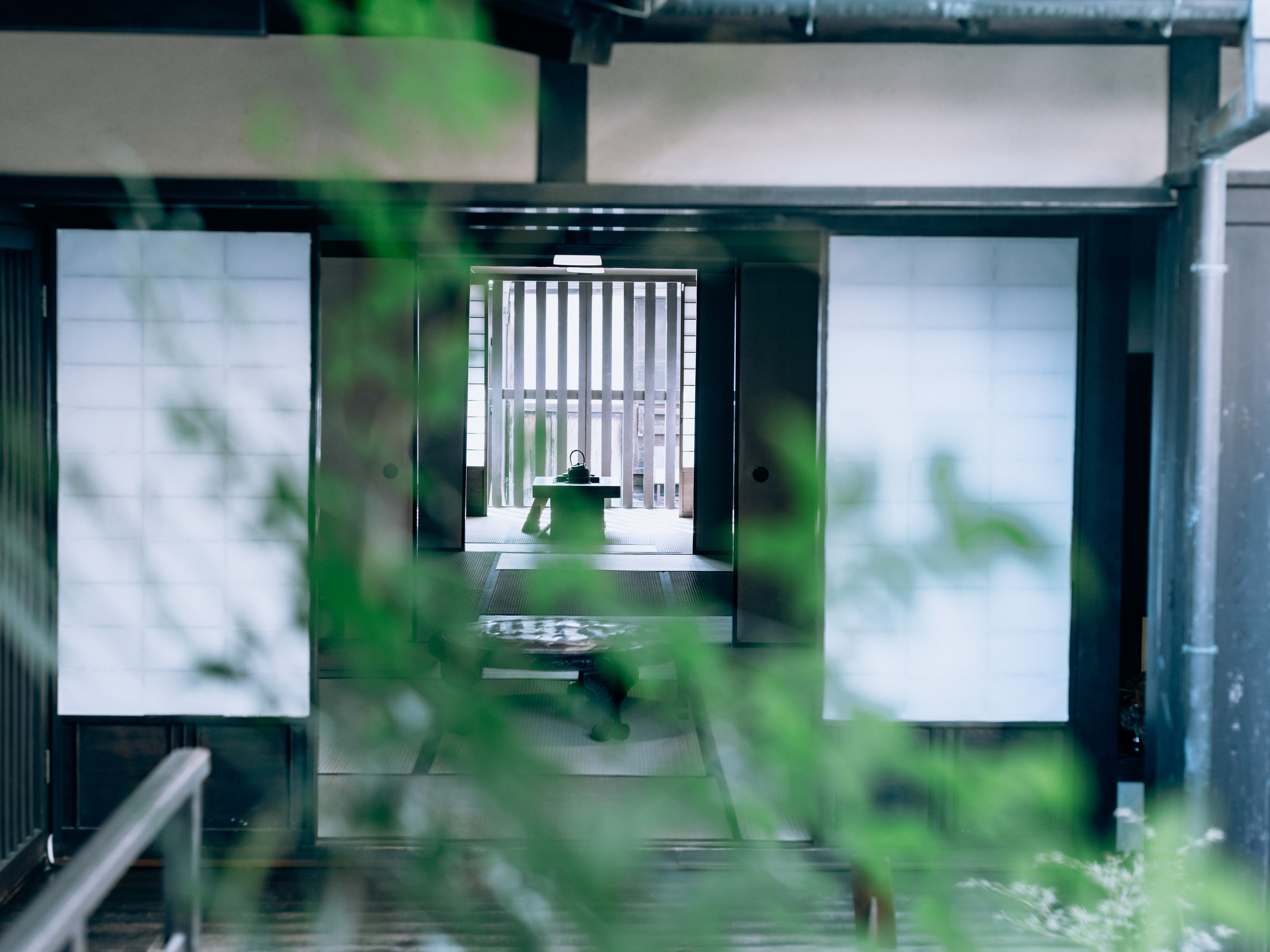
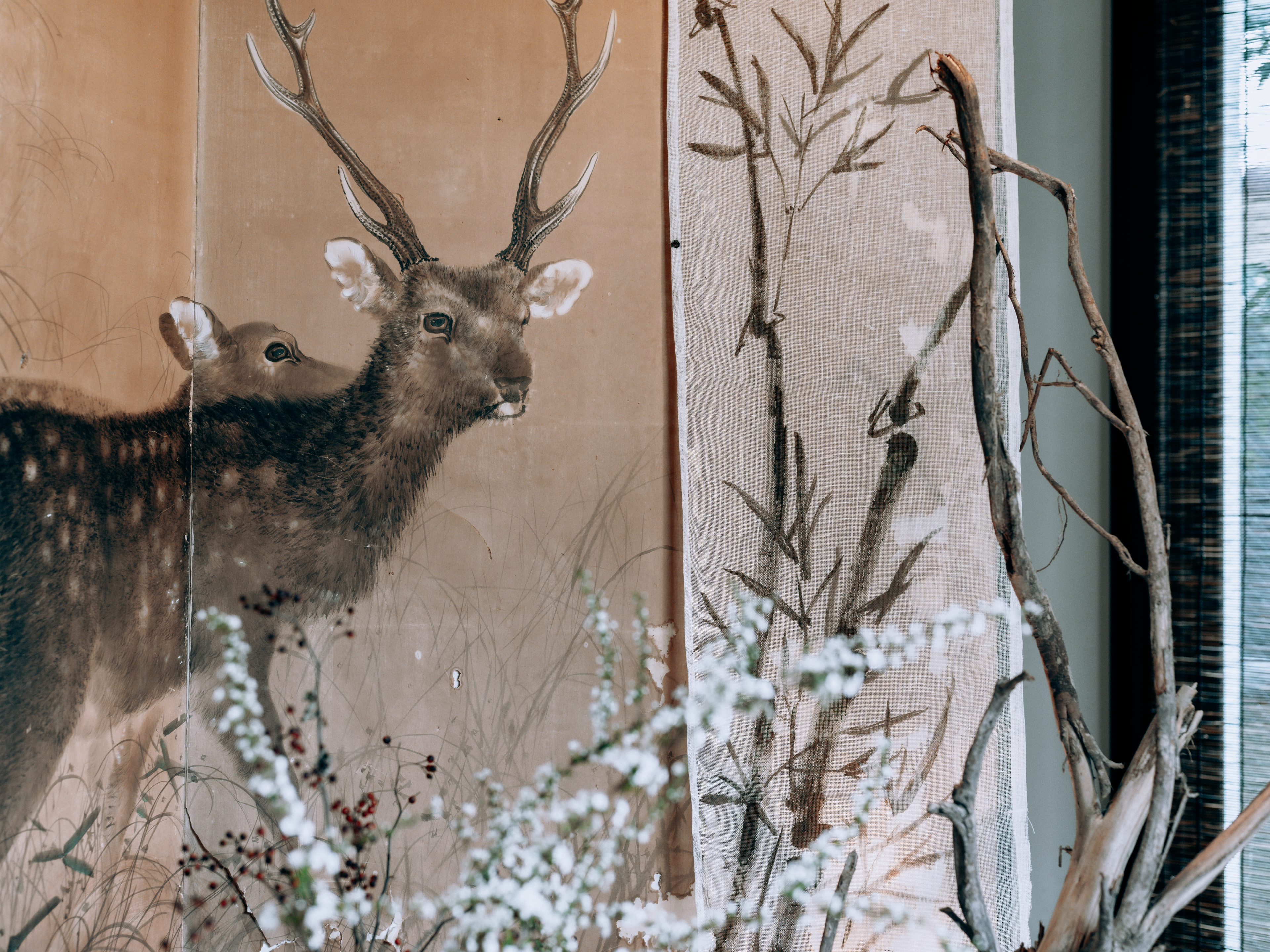
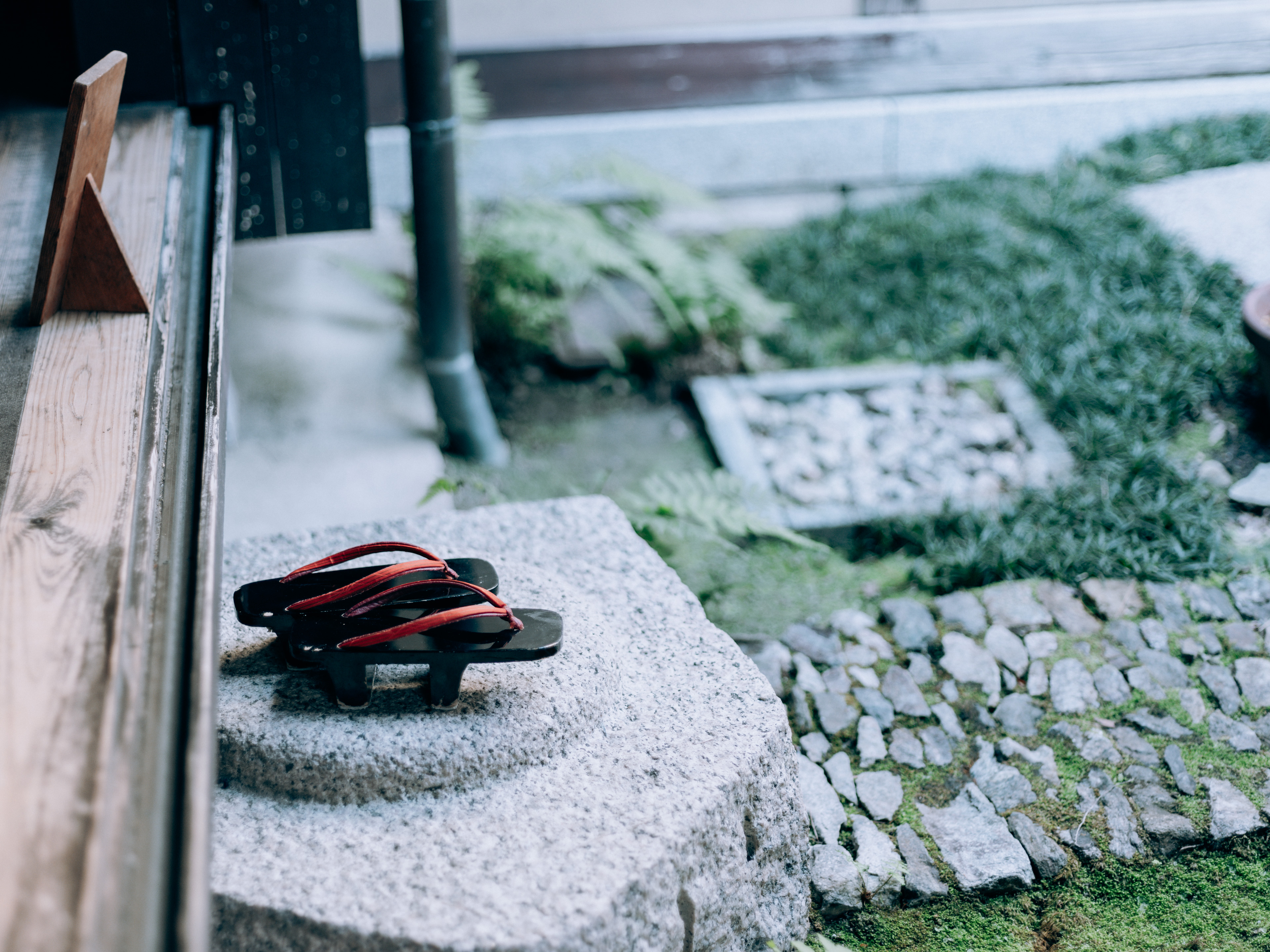
In this series, I focused on the dynamism between these geometric shadows and the gentle spring sun. Using the Fujifilm GFX 50S II, I sought to capture the “jewel-like” clarity found in the contrast. The medium format sensor excels here, rendering the deep textures of the aged timber and the subtle gradations of light with a precision that borders on the ethereal.
From a Human-Centered Design (HCD) perspective, the Japanese lattice is a masterpiece of environmental psychology. It provides what I call “Visual Margin”—the ability to remain connected to the outside world through light and air while maintaining a secure, private sanctuary. This balance of being “closed yet open” creates a space that naturally fosters deep focus and psychological safety. It is a physical manifestation of high-quality UX design from centuries ago.
The time spent here in early spring reminds us of the wisdom embedded in traditional architecture. I hope these images serve as a silent, grounding presence in your daily life, offering a moment of structural beauty and natural harmony.
日本、〒630-8332 奈良県奈良市元興寺町44